


What is a Solid-State Battery?
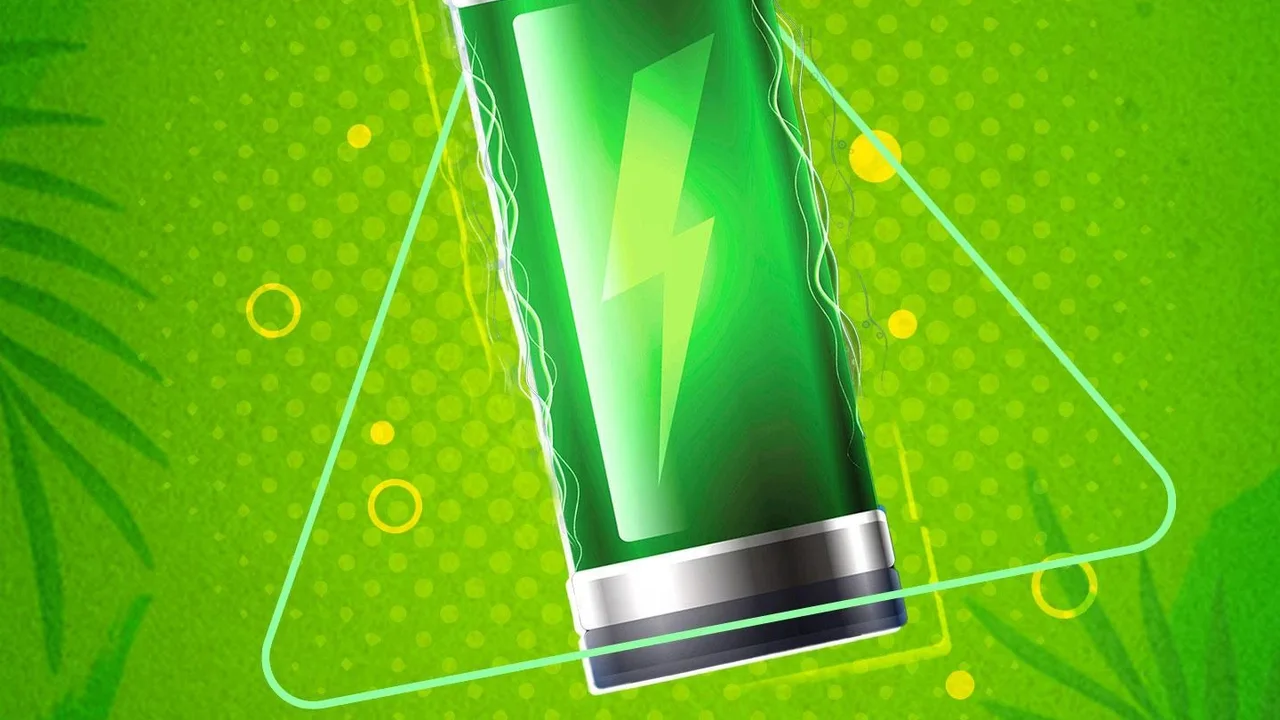
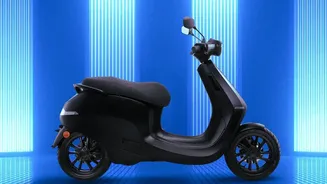
Think of a conventional electric scooter battery, which is a lithium-ion battery. It works by having lithium ions move through a flammable liquid electrolyte to generate power. A solid-state battery, as the name suggests, replaces this flammable liquid with
a solid material, often a ceramic or polymer. This single, fundamental change is what gives it a host of advantages. By eliminating the liquid, the battery becomes more compact, stable, and less prone to the issues that affect current-generation batteries, setting the stage for significant improvements in how we use our daily scooters.
A Leap Forward in Safety
Battery safety is a major concern for EV owners. Many widely reported fires in electric scooters are linked to a phenomenon in lithium-ion batteries called 'thermal runaway', where the flammable liquid electrolyte overheats and catches fire. Solid-state batteries virtually eliminate this risk because they don't contain flammable liquids. Their solid electrolyte is far more resistant to heat and damage. It also helps suppress the growth of 'dendrites'—tiny, sharp structures that can cause short circuits and fires in liquid-based batteries. This inherent stability makes solid-state technology a much safer choice for a vehicle you park at home or the office every day.
Reliability for the Long Haul
Reliability isn't just about whether your scooter starts; it's also about how it performs over its lifetime and in different conditions. Solid-state batteries promise a significantly longer lifespan than their liquid-filled counterparts because their solid structure is more durable and less prone to chemical degradation over countless charge cycles. Furthermore, they offer better performance across a wider range of temperatures. For scooter riders in India, this means more consistent range and power whether you're riding in the peak of summer heat or on a cooler winter morning, making the battery's performance predictable and dependable.
Charging in Minutes, Not Hours
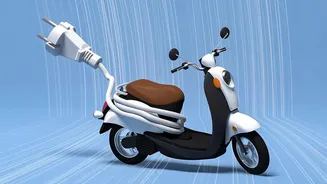
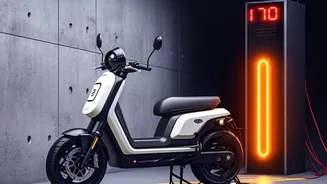
One of the biggest hurdles for electric scooter adoption is the long charging time. Solid-state technology is poised to change this dramatically. Because they are more thermally stable, these batteries can handle higher currents, enabling significantly faster charging. While current lithium-ion batteries might take several hours for a full charge, future scooters with solid-state batteries could potentially reach a high level of charge in the time it takes to have a cup of tea. Some developers are even targeting charge times of just ten minutes. This transforms the ownership experience, making it possible to get a meaningful top-up during a short stop.
When Will This Technology Hit Indian Roads?
While the benefits are clear, solid-state batteries are still an emerging technology facing challenges like high manufacturing costs and sourcing raw materials. However, the race to bring them to market is on. Major global players like Toyota and Honda are investing heavily in research. Closer to home, India's own Ola Electric has announced that it is in the early stages of developing solid-state batteries at its gigafactory, with plans to power its scooters with its own cells in the coming years. While mass-market models are not yet available, the industry is moving quickly, and these next-generation batteries are expected to become more common within the decade.