




From Full to Fulfilled
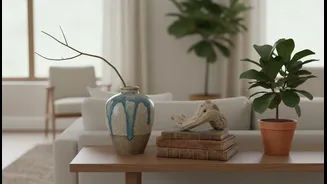
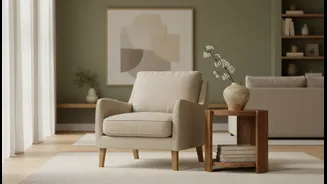
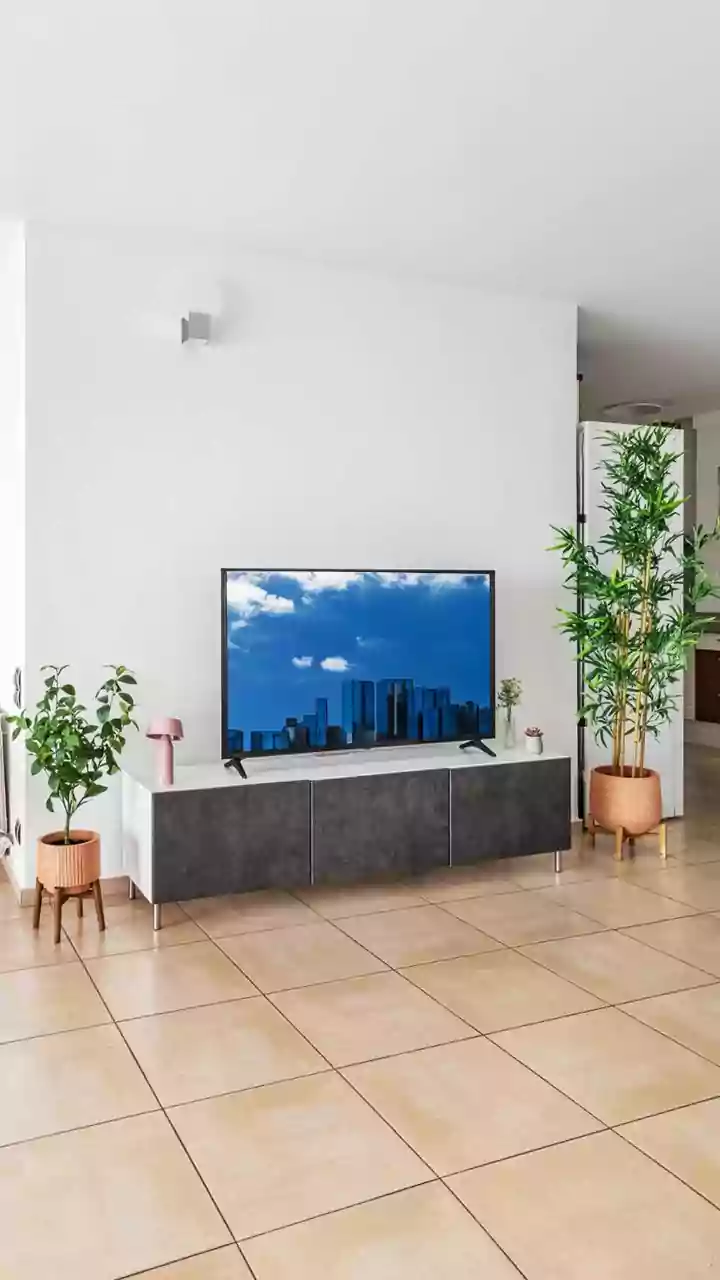
First, let's draw a line in the sand. A 'full' home is often the result of accumulation without intention. It might be packed with matching furniture sets, trend-driven decor bought in a single season, or items that are present simply to fill a void.
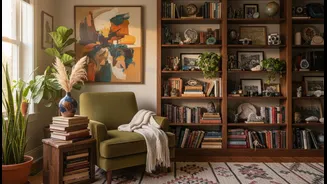
A collected home, on the other hand, is built on an entirely different philosophy. It’s a space that has evolved over time, reflecting the owner's life, travels, and passions. This approach isn't about a specific style—it can be minimalist, maximalist, or anything in between—but about the ethos of slow, meaningful acquisition. The goal isn't to impress guests with a 'decorated' space, but to create an environment that feels authentic, personal, and deeply comforting to those who live there.
Embrace the Slow Build
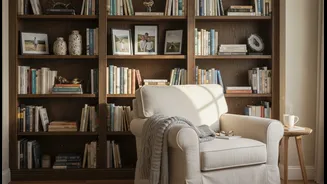
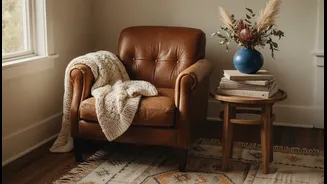
One of the most important principles of a collected home is patience. It cannot be achieved overnight or purchased in a single shopping trip. This style is the antithesis of the instant room makeover. Instead, it’s about taking the time to find pieces that truly resonate with you. This might mean living with an empty corner for a while until you find the perfect armchair or leaving a wall blank until you discover a piece of art that speaks to you. A collected home is never truly 'finished'; it grows and changes with your life. This slow-burn approach allows your home's story to unfold organically, making the space a genuine reflection of your journey.
The Art of the Mix
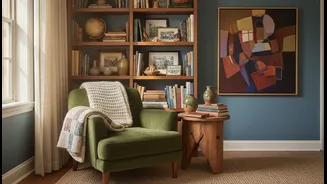
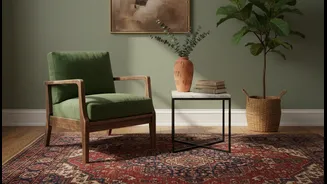
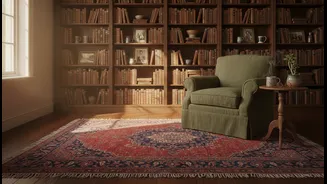
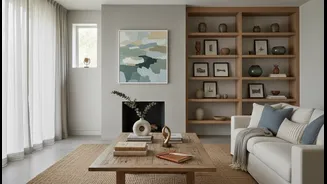
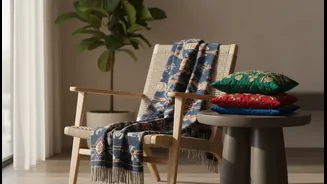
Collected interiors thrive on contrast and character. This means confidently mixing different styles, eras, and provenances. Forget the rule that everything must match. In fact, intentionally avoiding matching sets is a key step toward achieving a layered, interesting look. Pair a sleek, modern sofa with a vintage rug inherited from your grandmother. Place a piece of high-end art next to a framed drawing by your child. Combine a rustic wooden table with contemporary chairs. It’s this juxtaposition of high and low, old and new, polished and weathered that creates visual tension and depth. The harmony comes not from uniformity, but from the way these disparate elements come together to tell a cohesive story about you.
Tell Your Personal Story
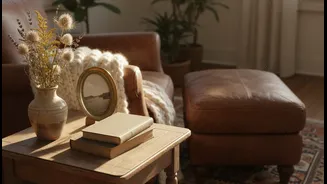
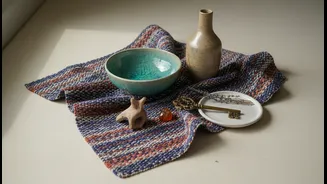
More than anything, a collected home is a vessel for your memories and identity. The objects within it should serve as physical touchpoints to your life. This could be a collection of ceramic bowls from a memorable trip, a piece of furniture found at a flea market on a special day, or books that have shaped your perspective. The focus is on items that hold personal meaning, not just aesthetic value. When you surround yourself with things that are infused with stories—yours or someone else's—the space gains an emotional resonance that can't be replicated by mass-produced decor. Let your home be a gallery of your life, showcasing what you love and where you've been.
Curation Is Also Subtraction
Just as a museum curator carefully selects which pieces to display, creating a collected home involves editing. Curation is the discipline that prevents collection from becoming clutter. It’s about making conscious decisions about what deserves a place in your home and what doesn’t. This means being willing to let go of items that no longer serve you or reflect who you are. By regularly editing your possessions, you create breathing room, allowing your most treasured items to shine. Empty space is not a problem to be solved; it's a crucial design element that provides balance and allows the eye to rest. The goal is to have nothing in your house that you do not know to be useful or believe to be beautiful, as the famous saying goes.