




An Entire Ecosystem Inside You
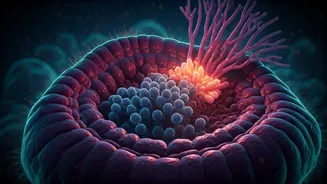
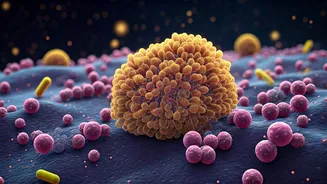
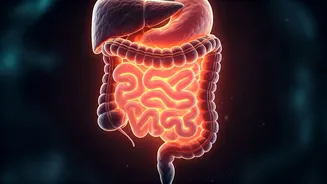
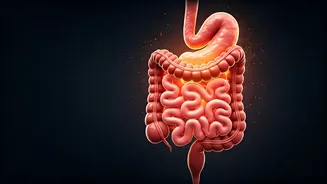
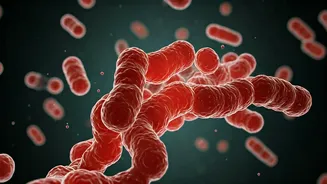
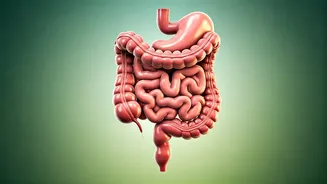
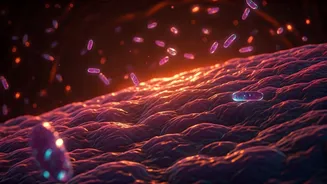
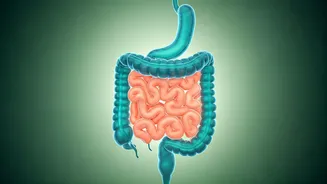
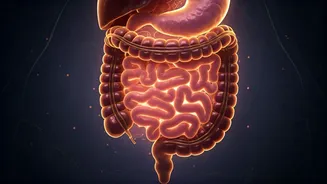
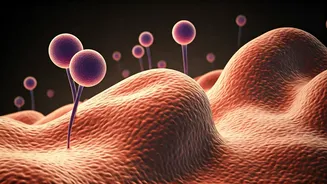
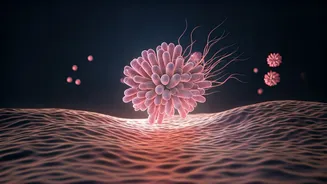
Before we dive into the surprising roles of the gut, it's crucial to understand what we're talking about. 'Gut health' doesn't just mean your stomach or intestines; it primarily refers to your gut microbiome. This is a bustling metropolis of trillions
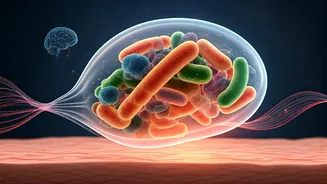
of microorganisms—bacteria, viruses, and fungi—living in your digestive tract. Think of it as a complex internal garden. When the 'good' bacteria flourish and are diverse, the whole ecosystem thrives. This balance, or lack thereof, is what has a ripple effect across your entire body.
The Second Brain: The Gut-Brain Axis
Have you ever felt 'butterflies' in your stomach when nervous or made a 'gut decision'? That’s not just a saying; it's the gut-brain axis in action. Your gut and brain are connected by a superhighway of nerves and chemicals, primarily the vagus nerve. They are in constant, two-way communication. Your gut’s microbiome produces hundreds of neurochemicals that the brain uses. For instance, a significant portion of serotonin, the 'happy chemical' that helps regulate mood, is produced in the gut. This is why an imbalanced gut can contribute to feelings of anxiety or low mood, and conversely, why chronic stress can wreak havoc on your digestion. It’s a powerful feedback loop that places your gut at the centre of your mental well-being.
The Headquarters of Your Immune System
It might be surprising to learn that an estimated 70-80% of your immune cells reside in your gut. Your gut lining acts as a critical gatekeeper, deciding what gets absorbed into your bloodstream (nutrients) and what is kept out (toxins and pathogens). A healthy and diverse microbiome helps train your immune cells to distinguish between friend and foe. When the gut lining is compromised—a condition sometimes referred to as 'leaky gut'—it can trigger an inflammatory response from the immune system. A robust gut microbiome is therefore your first line of defence, helping to manage inflammation and keep your immune responses appropriately calibrated.
From Heart Health to Healthy Skin
The influence of the gut doesn't stop at the brain or immune system. Emerging research is uncovering fascinating links to other parts of the body. Scientists are exploring the connection between gut microbe balance and skin conditions like eczema, psoriasis, and acne, often termed the 'gut-skin axis'. The theory is that inflammation starting in the gut can manifest on the skin. Similarly, certain byproducts from gut bacteria can affect cardiovascular health, influencing factors like cholesterol levels and the hardening of arteries. While this research is still evolving, it highlights a paradigm shift: a healthy gut may be a foundational piece of the puzzle for a wide array of health outcomes.
How to Nurture Your Inner Garden
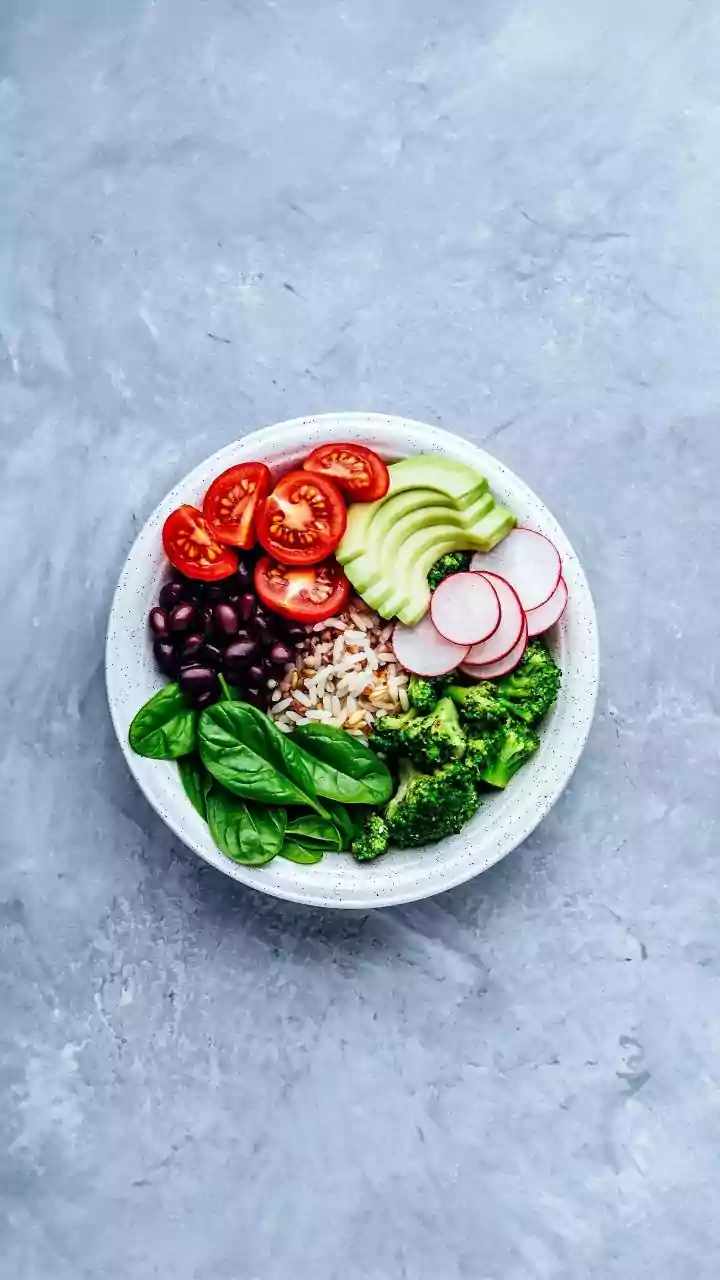
Supporting your gut health doesn't require a radical overhaul. Small, consistent changes can make a big difference. The key is diversity. Aim to eat a wide variety of plant-based foods—fruits, vegetables, legumes, nuts, and whole grains. These provide fibre, which is the primary food for your good gut bacteria. Incorporating fermented foods like dahi (yogurt), kefir, kimchi, or kombucha can introduce beneficial probiotics. Minimising processed foods, excessive sugar, and artificial sweeteners can also help prevent the 'bad' bacteria from taking over. Think of it as tending to your internal garden: provide the right nutrients, and it will flourish.