







The Science of Digestion and Temperature
Our digestive system is a finely tuned engine that works best under specific conditions. At its core, digestion is a series of chemical reactions driven by enzymes. These enzymes are proteins that act as catalysts, breaking down carbohydrates, proteins,
and fats into smaller molecules our bodies can absorb. Like many biological processes, enzyme activity is sensitive to temperature. The human body maintains a core temperature of around 37°C (98.6°F), which is the optimal range for our digestive enzymes to function efficiently. When you consume very cold foods or drinks, your body has to expend energy to warm them up to this core temperature before digestion can proceed effectively. This diversion of energy can theoretically slow down the entire digestive process.
How Warm Foods Can Help
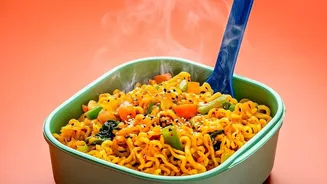
Eating foods that are closer to your body's temperature can give your digestive system a head start. Warm foods require less energy to break down, allowing your enzymes to get to work more quickly. Furthermore, warmth can help relax the muscles of the digestive tract and increase blood flow to the stomach and intestines. Improved circulation means that digestive organs receive a better supply of oxygen and can secrete digestive juices more effectively. This process not only aids in breaking down food but also in the absorption of nutrients. By easing the workload on your gut, warm meals can contribute to a smoother, more comfortable digestive experience, potentially reducing issues like bloating or indigestion for some individuals.
The Chilling Effect of Cold Meals
Consuming cold foods and drinks, especially in large quantities, can have a few potential effects. One primary concern is vasoconstriction, which is the narrowing of blood vessels. When you ingest something cold, the blood vessels in your stomach may temporarily constrict, reducing blood flow to the digestive system. This can impair the digestive process, leading to discomfort. For people with already sensitive digestive systems, such as those with IBS or gastritis, this effect might be more pronounced. While an occasional cold smoothie or salad is unlikely to cause significant issues for most healthy people, a consistent diet heavy in chilled foods might contribute to sluggish digestion, bloating, or cramping over time.
An Ayurvedic and Traditional Perspective
For centuries, traditional wellness systems like Ayurveda and Traditional Chinese Medicine (TCM) have emphasised the importance of warm, cooked foods. Ayurveda likens the digestive power to a fire, known as 'agni'. According to this philosophy, consuming cold foods can dampen this fire, making digestion less efficient. It's important to note that the Ayurvedic concept of 'hot' and 'cold' foods, known as 'virya', also refers to the food's innate properties and its effect on the body after digestion, not just its physical temperature. For example, cucumber is considered 'cooling' regardless of whether it's served warm or cold. However, both traditions generally agree that freshly cooked, warm meals are easier on the digestive system because they are partially broken down and require less work from the body.
Finding a Healthy Balance
This doesn't mean you need to give up salads or ice cream forever. The key is moderation and listening to your body. If you have a strong digestive system, you may not notice any difference between warm and cold meals. However, if you often experience bloating, gas, or discomfort after eating, you might benefit from incorporating more warm foods into your diet. Simple swaps can make a difference. Try starting your day with warm water instead of cold, opting for soups and stews more often, and allowing refrigerated leftovers to come to room temperature before eating. Paying attention to how your body responds to different food temperatures is the best way to find a balance that works for you and supports your unique digestive health.