




The Hidden Power of Peels
Before you dismiss citrus peels as bitter scraps, consider their hidden value. The peels of fruits like oranges and lemons are packed with beneficial compounds. They contain a high concentration of antioxidants, including flavonoids and vitamin C, which
can support immune health. Just one tablespoon of orange peel can provide about 9% of the daily value for vitamin C. Peels are also a great source of fibre, particularly pectin, which can aid in digestion. In Ayurveda, dried citrus peels have been used for centuries to support cardiovascular health. By using the entire fruit, you not only capture these nutrients but also take a meaningful step toward reducing food waste in your kitchen, turning what was once trash into a culinary treasure.
From Bitter to Better: Prepping Your Peels
The main reason citrus peels are often discarded is their bitterness, a taste that comes from compounds like naringin. Luckily, this bitterness is largely water-soluble and can be significantly reduced with a simple process called blanching. To prepare your peels, first wash the fruit thoroughly. After peeling, you can slice the peels into thin strips or chop them finely. Place them in a pot, cover with cold water, bring it to a boil, and let it simmer for about five to ten minutes. Drain the water and repeat this process two or three times, using fresh water each time. This repeated boiling and draining leaches out the bitter compounds, making the peels tender and ready for cooking. Some cooks also suggest scraping away the white pith on the inside of the peel to further reduce bitterness before boiling.
A Universal Citrus Chutney Recipe
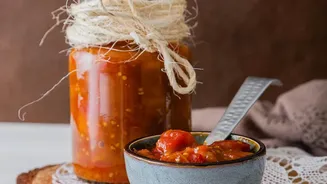
This versatile recipe works well with the peels of oranges, lemons, or a mix of both. It balances sweet, sour, and spicy flavours, creating a condiment that’s uniquely Indian in spirit. Ingredients: 1 cup prepared citrus peels (blanched and finely chopped) 1/2 cup jaggery (gur), grated or powdered 1/4 cup tamarind pulp 1 tablespoon oil (like mustard or sesame oil) 1/2 teaspoon mustard seeds 1/4 teaspoon fenugreek (methi) seeds 2-3 dried red chillies 1-inch piece of ginger, grated A pinch of asafoetida (hing) 1/2 teaspoon turmeric powder * Salt to taste Method: Heat the oil in a pan and add the mustard seeds. Once they start to crackle, add the fenugreek seeds, dried red chillies, and asafoetida. Sauté for a few seconds before adding the grated ginger. Next, add the chopped citrus peels and sauté for another 3-4 minutes. Stir in the turmeric powder, salt, tamarind pulp, and jaggery. Add about half a cup of water, cover the pan, and let the mixture simmer on low heat for 15-20 minutes, or until the peels are tender and the chutney has thickened. Allow it to cool completely before storing.
Customise Your Chutney
The beauty of this recipe lies in its adaptability. You can easily tweak the ingredients to suit your palate. For a sweeter chutney, add a handful of raisins or chopped dates along with the jaggery. If you prefer more heat, increase the number of red chillies or add a pinch of red chilli powder. For a different flavour profile, experiment with spices like ground coriander, fennel seeds, or a few peppercorns. Using a mix of orange and grapefruit peels can add a different dimension of bittersweet notes. A splash of vinegar can also be added to enhance the tanginess and act as a natural preservative.
Storing and Serving Your Creation
To ensure your homemade chutney lasts, proper storage is key. Spoon the cooled chutney into a sterilised, dry glass jar with a tight-fitting lid. You can sterilise jars by washing them and then placing them in a hot oven for about 10 minutes or boiling them in water. An unopened jar of chutney can be stored in a cool, dark place for several months, though many recommend letting it mature for at least a month for the flavours to deepen. Once opened, the chutney should be refrigerated and will typically last for about three to four weeks. Always use a clean, dry spoon to serve. This zesty preserve is incredibly versatile; serve it with parathas and rotis, as an accompaniment to dal and rice, spread on toast, or as a tangy partner to grilled cheese sandwiches.