





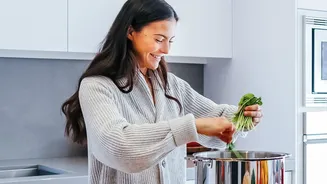
For busy working couples, batch cooking is a weekend game-changer that promises stress-free weekday meals. But to make it truly effective, mastering food safety isn't just a detail—it's the most crucial step for health and peace of mind.
Why Safety Is Your Secret Ingredient
Batch cooking
means preparing meals that will be stored and eaten over several days. While convenient, this creates opportunities for harmful bacteria to grow if food isn't handled correctly. The window between cooking and eating is where the risks lie. Bacteria thrive in what's known as the 'danger zone'—temperatures between 5°C and 60°C. Leaving cooked food at room temperature for too long allows these microorganisms to multiply, potentially causing foodborne illnesses. By integrating a few simple safety rules into your batch cooking routine, you not only protect your health but also ensure your delicious, pre-planned meals remain fresh and safe to eat throughout the week.
The Golden Rule: Cool It Down Fast
One of the most critical steps in batch cooking is cooling your food properly before storing it. Never leave a large, hot pot of dal or curry on the counter to cool for hours. Perishable food should not be left at room temperature for more than two hours. To speed up the cooling process, divide large quantities into smaller, shallow containers. This increases the surface area and allows heat to escape much faster. You can also place the containers in an ice water bath in the sink, stirring occasionally to accelerate cooling. The goal is to get the food from hot to refrigerator-ready as quickly as possible, moving it out of the temperature danger zone where bacteria grow most rapidly.
Store It Right: Fridge and Freezer Basics
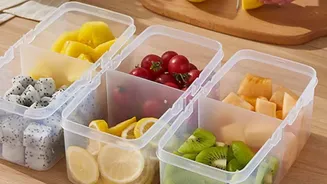
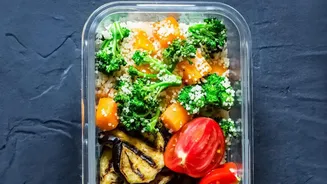
Once cooled, proper storage is key. Always use airtight containers to prevent moisture and other contaminants from getting in. Glass containers are a great option as they don't stain or retain odours and can often go from the fridge or freezer directly into the microwave or oven. Labelling each container with the name of the dish and the date it was cooked is a non-negotiable step. It eliminates guesswork and helps you use up older meals first. In the refrigerator, store cooked meals on the upper shelves, and raw meats on the bottom shelf to prevent juices from dripping down and cross-contaminating other foods. A well-organized fridge and freezer make your weekday meal grab-and-go system seamless and safe.
How Long Will It Last?
Not all cooked foods have the same shelf life. As a general rule, most cooked leftovers can be safely stored in the refrigerator for 3 to 4 days. After that, it's best to either freeze them or discard them. Items like cooked meat, poultry, and fish dishes generally fall within this 3–4 day window. Soups and stews also keep well for this duration. For longer storage, the freezer is your best friend. Most prepared meals can be frozen for 2 to 3 months without a significant loss in quality, and they will remain safe to eat indefinitely as long as the freezer maintains a temperature of -18°C or below. Always check for signs of spoilage like off smells, a slimy texture, or visible mould before reheating. When in doubt, it's always safest to throw it out.
The Art of Reheating
When it's time to eat your pre‐cooked meal, reheating it correctly is the final safety checkpoint. The goal is to bring the food to a safe internal temperature quickly to kill any bacteria that might have developed during storage. Whether you're using a microwave, stove, or oven, make sure the food reaches an internal temperature of at least 74°C (165°F) and is steaming hot throughout. If reheating on a stovetop, bring sauces, soups, and gravies to a rolling boil. When using a microwave, cover the food and stir it partway through to ensure there are no cold spots. It's also important to note that food should only be reheated once. Repeated cooling and heating cycles can degrade the quality and increase the risk of bacterial growth.
A Note on Cross‐Contamination
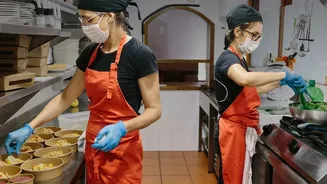
During your busy batch‐cooking session, it's easy to overlook the basics of cross‐contamination. Always use separate chopping boards, knives, and utensils for raw meat and fresh vegetables. Wash your hands thoroughly with soap and water after handling raw poultry, meat, or fish and before moving on to another ingredient. This simple practice prevents the transfer of harmful bacteria from raw foods to your cooked and ready‐to‐eat meals, ensuring the safety of your entire week's menu.