

Understanding the Northeast Monsoon
Primarily affecting India from October to December, the Northeast Monsoon is different from its more widespread counterpart, the Southwest Monsoon. It is a regional phenomenon, crucial for states like Tamil Nadu, coastal Andhra Pradesh, and Kerala. The
weather isn't one of constant downpour; instead, it's characterized by variability. You might experience short, intense spells of rain, often associated with weather systems in the Bay of Bengal, followed by periods of clear, sunny skies. This variability is key to planning. The rain is often concentrated in the night and early morning hours, which can sometimes leave the days clearer for activities. Understanding this rhythm helps in finding windows of opportunity for outdoor excursions.
Master the Weather Forecast
Successful planning hinges on reliable weather information. Before you even think about packing, become familiar with trusted weather sources. The official 'Mausam' app from the India Meteorological Department (IMD) is an essential tool, providing accurate alerts for rain, thunderstorms, and cyclones. Other popular apps in India include Skymet Weather, which is great for tracking the monsoon, and more advanced options like Windy, which provides detailed visual maps of rain and wind patterns. Don't just look at the daily forecast. Pay attention to hourly predictions, precipitation probability, and wind speeds. Checking for local warnings about potential flooding or landslides is a non-negotiable safety step before heading out.
Choose Your Adventure Wisely
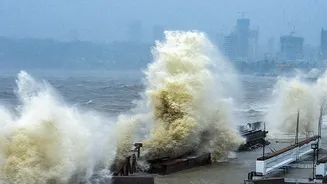
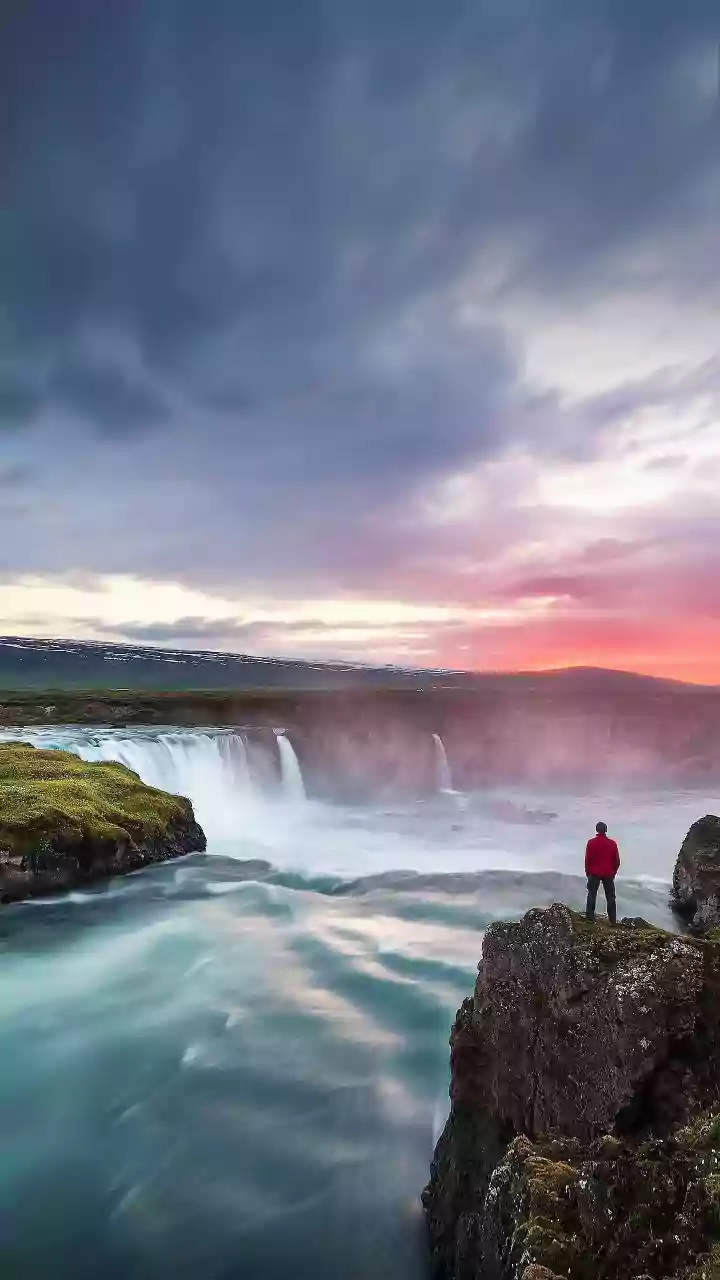
Not all outdoor activities are suitable for the monsoon. High-altitude treks or exploring areas prone to landslides should be avoided. Instead, opt for adventures that are enhanced by the season. Consider short, well-marked hikes to waterfalls, which are at their most spectacular during this time. A walk or drive along a coastal road can be beautiful, provided you stay aware of weather warnings and avoid squalls. The lush greenery makes this an excellent time for birdwatching or visiting a local wildlife sanctuary. Always have a backup plan. If the weather turns unexpectedly, knowing a nearby indoor attraction like a museum or a good restaurant can save the day.
Essential Gear for Monsoon Outings
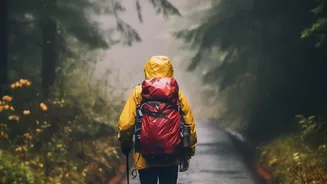
Your comfort and safety depend heavily on what you pack. The number one rule is to avoid cotton, as it absorbs moisture and takes a long time to dry, which can make you cold and uncomfortable. Opt for lightweight, quick-drying synthetic fabrics for all your clothing. A high-quality waterproof jacket or poncho is non-negotiable. For footwear, choose boots or sandals with excellent grip to handle slippery trails. Protect your electronics by storing them in waterproof dry bags or zip-lock pouches. A backpack with a rain cover is also essential to keep your spare clothes and snacks dry. Finally, don't forget insect repellent, as the wet conditions are a breeding ground for mosquitoes.
Safety is Your Top Priority
The beauty of the monsoon landscape comes with inherent risks that demand respect. Never attempt to cross swollen rivers or walk through flooded areas, as currents can be deceptive and powerful. Roads will be slippery, so if you are driving, reduce your speed and maintain a safe distance from other vehicles. Before any trek, inform someone of your detailed plans and expected return time. Always check with local authorities or experienced guides about trail conditions, as some paths may be closed for safety reasons. Be prepared to turn back if conditions worsen. A breathtaking view is never worth risking your safety.