






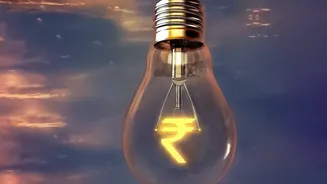

What Is the RBI Actually Doing?
When the rupee weakens significantly against currencies like the US dollar, the RBI intervenes to curb excessive volatility. Its primary goal isn't to fix the rupee at a specific level, but to prevent sharp, disorderly movements that can disrupt the economy.
Recent actions have included a mix of strategies. The central bank has been selling US dollars from its vast foreign exchange reserves to increase the supply of dollars in the market, which helps support the rupee. It has also tightened rules on foreign exchange derivatives to curb speculation, making it more expensive for traders to bet on the rupee's fall. Additionally, the RBI sometimes creates special windows for major importers like oil companies to buy dollars directly, reducing pressure on the open market. These moves are part of a delicate balancing act to maintain stability without depleting reserves too quickly.
Impact on Importers and Exporters
The most immediate impact of a fluctuating rupee and RBI's response is felt in trade. For importers who pay for goods in foreign currency, a weaker rupee makes everything from crude oil and electronics to machinery more expensive. RBI's measures to stabilize the rupee can provide some relief by preventing the import bill from spiraling out of control. On the other hand, exporters who earn in dollars benefit from a weaker rupee, as they get more rupees for every dollar earned. However, extreme volatility is bad for business planning on both sides. The RBI has also recently adjusted regulations under the Foreign Exchange Management Act (FEMA) to provide more operational flexibility for traders, such as changing timelines for realizing export proceeds and simplifying compliance for smaller transactions.
Your EMIs and Savings
RBI’s currency management is often linked to its broader monetary policy, which includes setting the repo rate—the rate at which it lends to banks. To attract foreign capital and support the rupee, the RBI might maintain or increase the repo rate. This has a direct effect on your finances. When the repo rate rises, banks often increase the interest rates on loans. If you have a floating-rate home loan or car loan, you may see your EMIs go up or your loan tenure get extended. On the flip side, higher interest rates are good news for savers. Banks may offer more attractive rates on fixed deposits (FDs) to attract funds, helping your savings grow faster and offering a better return in an inflationary environment.
Costs of Foreign Travel and Education
For families with children studying abroad or for those planning an overseas trip, a weaker rupee directly increases costs. Tuition fees, accommodation, and daily living expenses become more expensive when converted from dollars, pounds, or euros. A Rs 50 lakh education budget can swell by several lakhs with just a few percentage points of depreciation. While some reports suggest that long-term education goals often outweigh short-term currency swings, the financial strain is undeniable. RBI measures that successfully cushion the rupee's fall can provide a significant breather, making international education and travel more affordable. A stable currency makes it easier to budget for these large, dollar-denominated expenses.
The Bigger Picture: Inflation and Stability
Beyond individual budgets, the RBI's actions have a major role in the country's overall economic health. India is a net importer, with crude oil being a major component of its import bill. A sharply depreciating rupee makes fuel more expensive, which has a domino effect across the economy, pushing up transportation costs and the prices of everyday goods, a phenomenon known as imported inflation. By intervening to support the rupee, the RBI helps to control this imported inflation, which is a key part of its mandate to maintain price stability. A stable currency also boosts investor confidence, encouraging foreign investment and contributing to sustainable economic growth.