





Why Shorter Storage is Key
The single biggest challenge during the rainy season is moisture. High humidity creates the perfect breeding ground for mould, fungus, and bacteria, causing food to spoil much faster. Grains absorb moisture and clump together, spices lose their potency,
and fresh produce wilts and rots quickly. The philosophy of a monsoon grocery plan is simple: buy smaller quantities more frequently. Instead of stocking up for a month, aim for a weekly plan. This 'short storage' approach ensures you consume items before they have a chance to turn, reducing waste and the risk of foodborne illnesses that spike during this season.
Your Monsoon Vegetable Basket
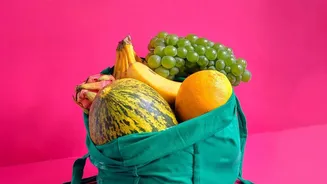
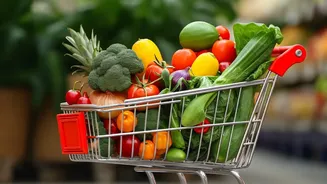
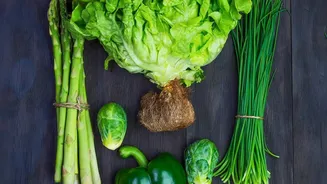
Focus on seasonal vegetables that thrive during the monsoon. Gourds like lauki (bottle gourd), karela (bitter gourd), and parwal (pointed gourd) are excellent choices as they are packed with nutrients and easy to digest. Other good options include pumpkin, sweet potatoes, and beetroot. Be cautious with leafy greens like spinach and cabbage. While nutritious, they can carry a lot of dirt and microbes from the damp soil. If you do buy them, purchase only what you need for a day or two and wash them thoroughly in clean water, perhaps with a little salt or vinegar, before cooking.
Choosing the Right Fruits
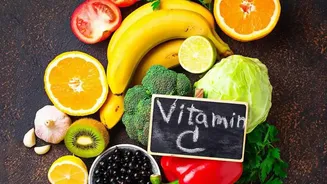
Seasonal fruits are your best bet for freshness and immunity. Apples, pears, pomegranates, and plums are fantastic choices, as they are rich in antioxidants and fibre. Jamun (black plum) is a quintessential monsoon fruit known for supporting gut health. Citrus fruits like oranges and sweet limes are packed with Vitamin C, which is crucial for boosting your immune system against common seasonal colds and infections. It is generally advisable to avoid pre-cut fruits from street vendors due to a higher risk of contamination.
Smart Pantry & Dry Goods Management
This is where the 'shorter storage' rule is most critical. Buy items like atta (flour), rice, dals (lentils), and spices in small packets that you can finish within a couple of weeks. Upon bringing them home, immediately transfer them from their original bags into clean, dry, airtight containers. This is the most effective step to prevent moisture absorption and pest infestations. Storing these containers in a cool, dry place away from the floor and stove also helps. For extra protection, you can add a bay leaf or two to your grain containers as a natural insect repellent.
Handling Dairy and Meats
Perishable items like milk, yogurt, paneer, meat, and fish require extra care. Heat and humidity cause dairy products to spoil very quickly. Buy these items as needed rather than in bulk. Ensure your refrigerator is set to a cool temperature, typically between 1-4°C, to slow bacterial growth. Keep raw meat and seafood separate from other foods to avoid cross-contamination. Probiotic-rich foods like fresh, homemade curd (yogurt) and buttermilk are particularly beneficial during the monsoon as they support a healthy gut, which is closely linked to your immune system.
Immunity-Boosting Essentials
The monsoon is notorious for bringing a wave of infections, so fortify your diet with natural immunity boosters. Make sure your grocery list includes staples of the Indian kitchen like ginger, garlic, and turmeric. These ingredients have powerful anti-inflammatory and antimicrobial properties that help your body fight off pathogens. Nuts and seeds like almonds, walnuts, and pumpkin seeds are also great additions, providing essential vitamins and minerals like zinc, which supports immune function. Keep them in airtight jars to prevent them from becoming rancid.