







List Your Onam Expenses
Before you can set a budget, you need to know where the money goes. Onam spending is often a slow drip rather than a single large purchase, making it easy to lose track. Start by listing all potential expenses. Key categories include the Onasadya (groceries
for the feast), Onakkodi (new clothes for the family), gifts for relatives, travel fares if you're heading home to Kerala, and daily costs for pookkalam flowers. Also, consider expenses for decorations, cultural programmes, and festive outings. By identifying these categories early, you can create a realistic financial picture and avoid last-minute surprises.
Create a Realistic Festival Budget
Once you have your list, assign a spending limit to each category. Be honest about what you can afford. The goal isn't to spend like others, but to celebrate within your means. A good starting point is to decide on a total festival fund you can comfortably pay for from your savings, not from credit cards or future income. If you receive an Onam bonus, a smart move is to split it three ways before the festival begins: one part for celebrations, one for savings, and one for paying down any existing debt. This discipline ensures that a festive windfall doesn't disappear entirely into short-term spending.
Track Your Spending Diligently
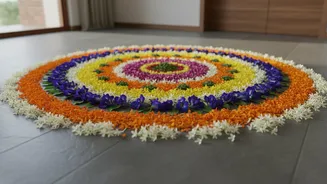
A budget is only effective if you stick to it, and tracking is key. The small, daily purchases are often the ones that add up unnoticed, especially the flowers for the pookkalam, which are bought every morning for ten days. Use a simple notebook or a budgeting app to log every expense as it happens. This creates a real-time view of your spending against your budget, empowering you to make adjustments. Simply glancing at your running total each evening can help you stay in control and prevent the common festival experience of wondering where all the money went.
Shop Smart for Clothes and Feasts
Strategic shopping can lead to significant savings. For Onakkodi, avoid the last-minute rush when prices and crowds are at their peak. Instead, shop during the pre-Onam sales that start weeks in advance and go with a written list to avoid impulse buys. When it comes to the sadhya, consider a potluck-style celebration where different family members or friends contribute a dish, sharing the cost and effort. For groceries and decorations, local markets often offer better prices than large stores. Buying essentials like dry fruits in bulk can also reduce costs.
Embrace Meaningful, Low-Cost Traditions
The spirit of Onam lies in togetherness, not extravagance. You can have a rich celebration without a hefty price tag. For the pookalam, consider creating a shared design with neighbours to split the daily cost of flowers; it often results in a grander display. You can also use local, less expensive flowers and supplement with leaves to add volume. Focus on experiences over possessions, like spending quality time with family or participating in community events. Many of the festival's most cherished moments, like cooking together or creating decorations, are low-cost and add a personal touch that money can't buy.
Plan for Time-Sensitive Costs
For many Malayalis living outside Kerala, travel is the single biggest Onam expense. Fares for flights, trains, and buses to Kerala are among the highest of the year during the festival week. The key to managing this cost is to book as early as possible. Train tickets should be booked the day the reservation window opens, and flights should be monitored weeks or months in advance. Arriving a few days before the Thiruvonam rush can also help you find more affordable fares. Delaying your travel plans by even a week can result in a significant price increase.