



The Old Grain, New Trick
Ragi is hardly a new discovery for Indian households. For generations, this humble millet has been a staple, prized for its resilience and nutritional power, often consumed as porridge or in flatbreads like rotis. What's new is its arrival in the world
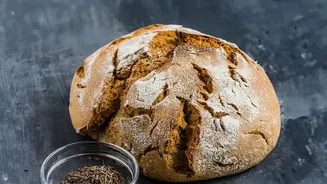
of gourmet baking. As health-conscious consumers look for upgrades to their daily diet, local bakers are creatively responding by incorporating this powerhouse grain into naturally fermented sourdough bread, blending a global trend with a local superfood. This fusion isn't just about novelty; it's a thoughtful move to enhance the health profile of a beloved bread.
A Nutritional Powerhouse
The decision to add ragi to sourdough is rooted in solid nutritional science. Ragi flour is a treasure trove of health benefits. It is renowned for its high calcium content—reportedly containing more than most other grains—making it excellent for bone health. It's also a rich source of iron, protein, and dietary fibre. For those managing blood sugar, ragi’s low glycemic index helps in the slow release of sugar into the bloodstream. When this is combined with sourdough's natural fermentation process, which aids digestion by breaking down gluten, the result is a loaf that is not only flavourful but also significantly more nourishing than its conventional counterparts.
The Baker's Creative Challenge
Baking with ragi is both an art and a science. Because ragi is gluten-free, it doesn't form the elastic network that gives wheat bread its characteristic airy structure. This presents a challenge: how to achieve a good rise and a soft crumb without the gluten? Bakers have developed several techniques to work around this. Many create a blend, substituting a portion of the bread flour (typically 25-33%) with ragi flour. This balances the nutritional benefits of ragi with the structural integrity of wheat. Others use binders like psyllium husk, which forms a gel and helps retain moisture and create a softer, more pliable dough, leading to a surprisingly light crumb in the final loaf.
An Earthy, Nutty Flavour Profile
Beyond the health benefits, ragi imparts a unique and delicious character to sourdough. It adds a distinct earthy and nutty flavour that complements the mild tang of the sourdough starter. The texture is also different; the bread is often moister and denser, with a tender crumb that stays fresh for longer. The flour gives the loaf a beautiful, speckled, deep colour, making it visually appealing as well. While some may find the taste of ragi slightly bitter on its own, its combination in bread, especially with the fermentation of sourdough, mellows it into a pleasant, complex flavour that many are coming to love.
Bringing the Trend Home
Inspired by this trend? For home bakers, experimenting with ragi flour is an exciting next step. The key is to start small. Begin by replacing about 20-25% of the flour in your favourite sourdough recipe with ragi flour. Be prepared to adjust the water content, as ragi can absorb liquid differently than wheat flour. Using a 'gel method' with psyllium husk can help manage hydration and improve the dough's structure, even without intensive kneading. It’s a rewarding experiment that not only diversifies your baking skills but also brings a slice of ancient Indian wellness to your modern kitchen table.