


Why Your Floor Becomes a Slip Hazard
During rainy weather, your floors can lose their usual grip for several reasons. Moisture gets tracked in from outside, high humidity can cause condensation to form on cool surfaces like tile or marble, and even your own sweat during a workout can create
slick patches. Polished surfaces like ceramic tiles, marble, and some types of laminate or wood are particularly notorious for becoming slippery when wet. This transforms your workout space into an environment where sudden, dynamic movements can easily lead to a dangerous fall.
High-Risk Moves to Avoid
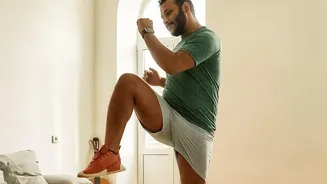
When the floor is compromised, the first step is to eliminate high-risk exercises. Any movement that involves jumping, rapid changes in direction, or a loss of contact with the ground should be paused for the day. This includes popular high-intensity exercises such as jumping jacks, burpees, high knees, box jumps, and skipping. These plyometric movements require a stable landing, and a slippery surface dramatically increases the risk of your feet sliding out from under you, potentially leading to sprains, fractures, or head injuries.
Safer, Stability-Focused Alternatives
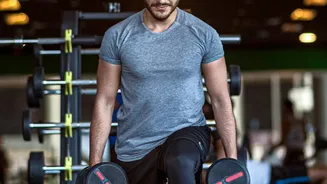
A safe rainy-day workout focuses on control, stability, and strength. Instead of high-impact cardio, opt for movements that keep your body grounded. Excellent choices include foundational strength exercises like squats, lunges, and push-ups, as long as they are performed slowly and deliberately. Core exercises such as planks, side planks, and glute bridges are also fantastic options as they build stability without requiring dynamic movement. Bodyweight workouts focusing on muscle engagement rather than explosive power are your safest bet.
Modify, Don't Miss Your Workout
You don't have to skip your favorite routines entirely; you just need to modify them. If you love jumping jacks for cardio, swap them for modified jacks where you tap one foot out to the side at a time, keeping the other firmly planted. Instead of jump squats, perform regular bodyweight squats, focusing on slow, controlled descent and ascent. For lunges, reduce the depth and perform them at a slower tempo to maintain balance. The key is to reduce the impact and speed, giving your body more time to react and stay stable.
Gear and Setup for Better Grip
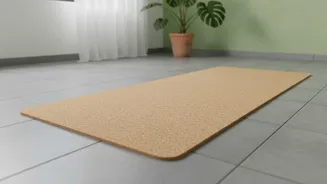
Your setup can make a huge difference. The most important tool is a high-quality exercise mat with a non-slip bottom. A good mat provides a reliable, grippy surface for your hands and feet, drastically reducing the risk of slipping. If you don't have a mat, working out on a carpeted area is a better alternative to a slick, hard floor. Also, consider your footwear. Shoes with good tread are essential. In some cases, for exercises like yoga or Pilates, going barefoot can provide better sensory feedback and grip, but test a small area first. Finally, keep a towel handy to wipe up any sweat that drips onto your mat or the floor around you.