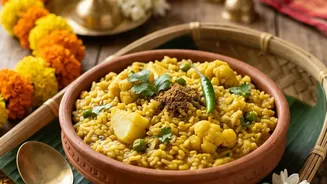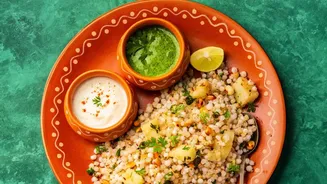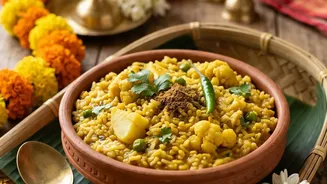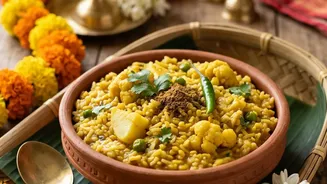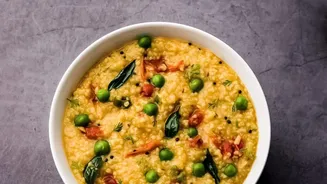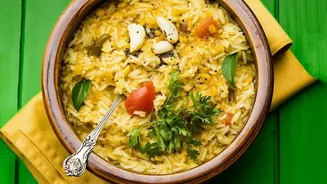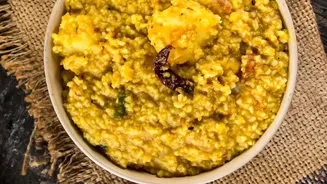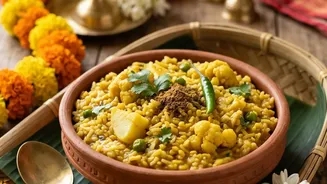

In the world of Indian comfort food, few dishes are as beloved as Dalia and Khichdi. Both are hailed as wholesome, easy-to-prepare meals, but while they share a similar purpose, their nutritional profiles and health benefits are distinctly different.
The Tale of Two Staples
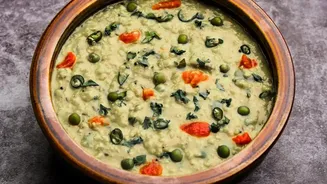
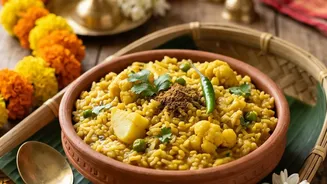
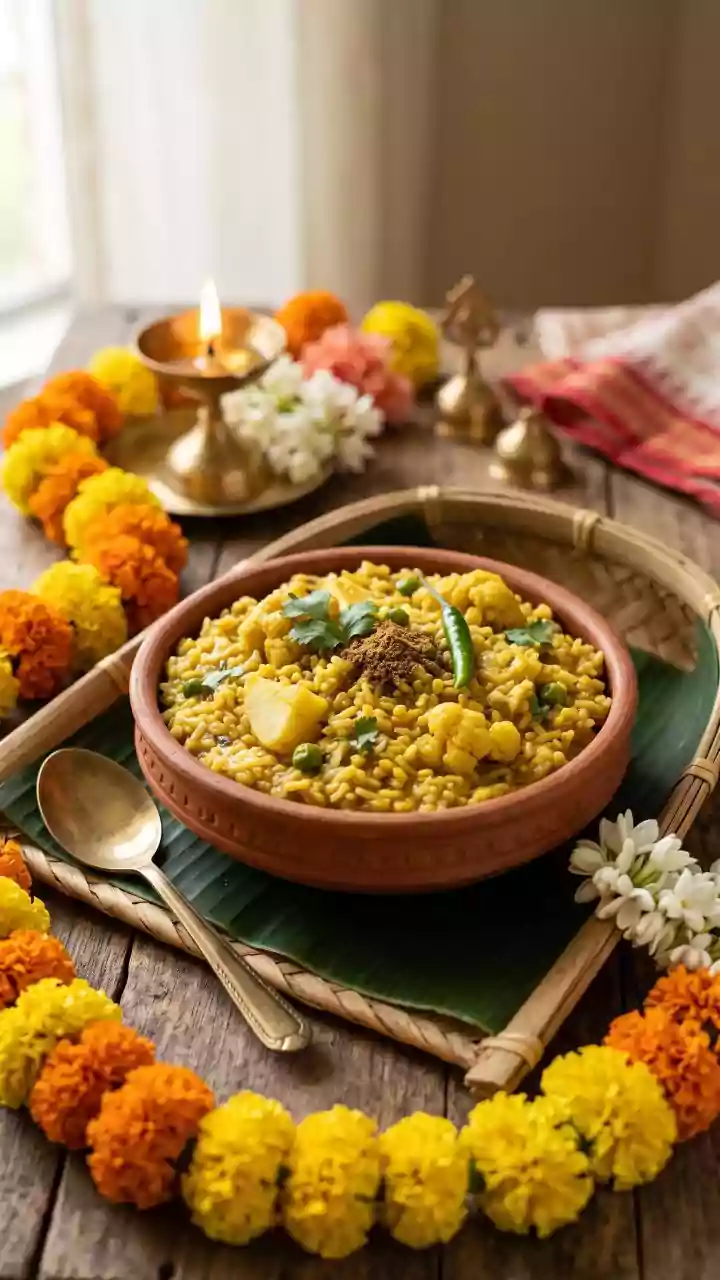
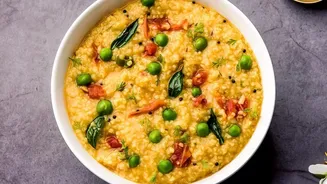
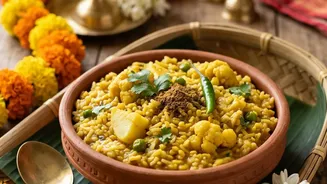
Dalia, also known as broken or cracked wheat, is made by coarsely milling whole wheat grains. This minimal processing ensures it retains its bran and germ, making it a fibre-rich whole grain. It can be prepared as a sweet porridge with milk or in a savoury form, often resembling a porridge-like 'khichdi' with vegetables. Khichdi, on the other hand, is a classic one-pot dish made by cooking rice and lentils (typically moong dal) together until they form a soft, creamy consistency. It's a cornerstone of Ayurvedic cuisine, known for being gentle on the digestive system and is often seasoned with mild spices like turmeric and cumin.
Nutritional Showdown: Fibre vs. Protein
The most significant difference lies in their nutritional composition. Dalia is the undisputed champion of fibre. Because it's a whole grain, it is packed with dietary fibre, with a 100g serving of raw dalia containing around 10-12 grams. This high fibre content comes from complex carbohydrates that digest slowly. Khichdi’s main advantage is its protein quality. The combination of rice (a cereal) and lentils (a pulse) creates a complete protein, providing all nine essential amino acids that the body cannot produce on its own. While a standard bowl of moong dal khichdi provides a respectable amount of protein (around 8-9 grams), its fibre content is more modest, typically around 3-4 grams per serving.
Impact on Health: Blood Sugar and Digestion
Your health goals can help determine which dish is better for you. Dalia's high fibre content and complex carbs give it a low glycemic index (GI), typically between 41 and 55. This means it releases sugar into the bloodstream slowly, providing sustained energy and making it an excellent choice for weight management and for individuals with diabetes. Khichdi is celebrated for being incredibly easy to digest. The soft-cooked nature of the rice and lentils, especially moong dal, makes it a go-to meal during illness, for older adults, or for anyone with a sensitive digestive system. While khichdi made with white rice has a higher GI, the presence of dal helps moderate the blood sugar response compared to eating white rice alone.
Preparation and Versatility
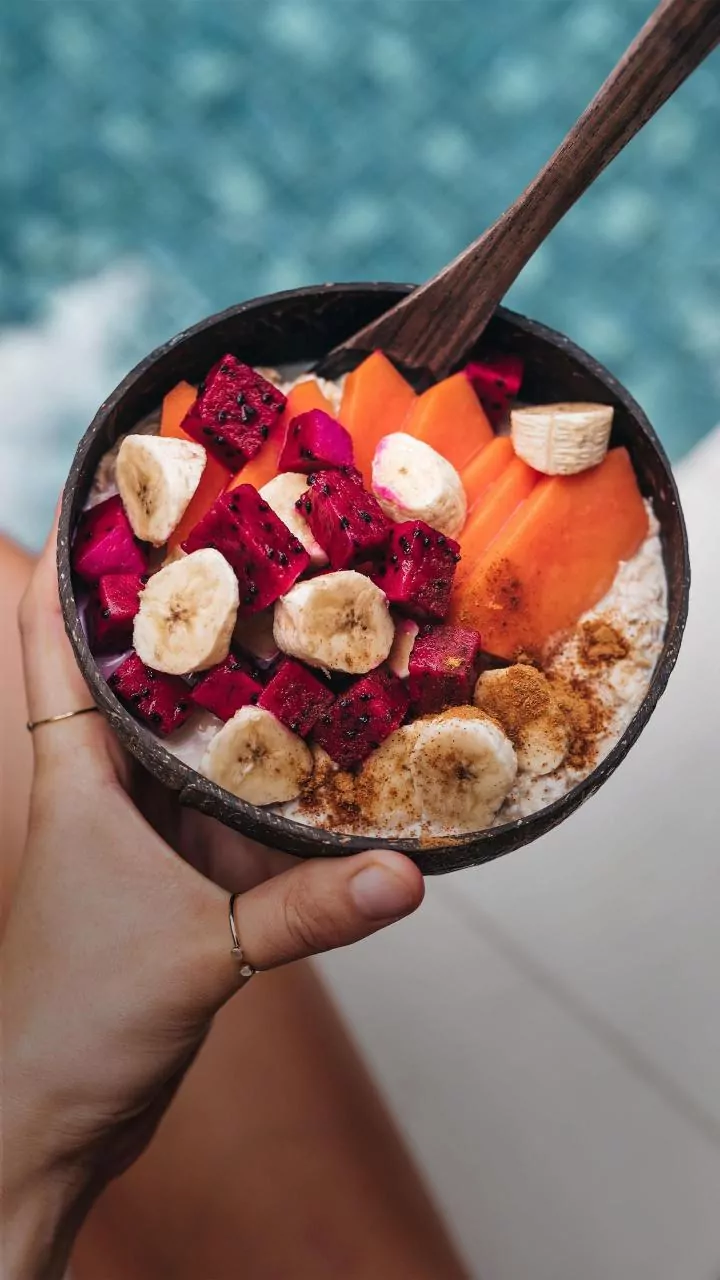
Both dishes are highly versatile. Dalia can be made sweet for breakfast, cooked with milk, nuts, and a natural sweetener. For a savoury meal, it can be turned into a vegetable_packed upma or a 'dalia khichdi' by adding lentils. Khichdi is similarly adaptable. You can increase its nutritional value by increasing the ratio of dal to rice, adding a variety of vegetables, or swapping white rice for brown rice or millets to boost the fibre content. A simple tadka of ghee, cumin seeds, and a pinch of asafoetida (hing) can elevate its flavour and digestive properties.
The Verdict: Which Bowl is for You?
There’s no single winner; the right choice depends on your needs. Choose Dalia if your priority is: Weight Management: Its high fibre content promotes a feeling of fullness, which helps control appetite and reduce snacking. Blood Sugar Control: The low GI and complex carbs ensure a slow, steady release of energy. Boosting Fibre Intake: It is one of the easiest ways to add significant dietary fibre to your diet for longterm gut health. Choose Khichdi if your priority is: Easy Digestion: It is the ultimate comfort food for a sensitive stomach or during recovery from illness. A Complete Protein Source: The combination of rice and lentils makes it an excellent plantbased complete protein for muscle maintenance and repair. A Light, Soothing Meal: It provides nourishment without feeling heavy, making it ideal for a light dinner.