



Beyond Butter Chicken and Biryani
For most diners in India and abroad, ‘Indian food’ has long been a monolith, simplified into comforting but narrow categories: rich North Indian curries, spicy South Indian tiffins, and maybe some Goan seafood. But this convenient shorthand ignores a delicious
truth: India doesn’t have one single cuisine. It has hundreds. We're not just talking about the food of a state like Tamil Nadu, but the specific culinary traditions within it—like the robust flavours of Chettinad, the subtle vegetarian fare of the Iyengar community, or the millet-based dishes of Kongunadu. These are the ‘micro-cuisines’, culinary identities forged by geography, community, and history, and they are moving from being footnotes to becoming the main event.
What's Fuelling the Fire?
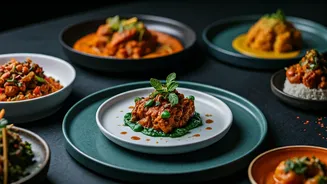
This shift isn’t happening in a vacuum. Several factors are contributing to this culinary renaissance. Firstly, social media has become a powerful platform for discovery. A beautifully plated dish of a forgotten recipe from a Saurashtra kitchen can now reach millions on Instagram, creating curiosity and demand. Secondly, a new generation of Indian chefs and food entrepreneurs are acting as culinary archivists and ambassadors. Instead of chasing global trends, they are looking inward, taking immense pride in reviving and presenting the food they grew up with. Finally, the post-pandemic diner is different. There is a greater appreciation for authenticity, for knowing the story behind the food, and for experiences that feel unique and rooted in heritage.
A Deliciously Diverse Map
The diversity is staggering. In restaurants and pop-ups across metros, you can now find Kayastha food, a unique blend of Mughal and North Indian traditions, known for its intricate meat dishes. Or you might encounter Malvani cuisine from the Konkan coast, fiercely flavourful and reliant on fresh coconut and fiery spices. There’s the food of the Coorgs (Kodavas) in Karnataka, famous for its pandi (pork) curry and use of kachampuli, a dark, tart vinegar. In West Bengal, the focus is shifting from generic ‘Bengali food’ to the subtle differences between the cuisines of ‘Ghoti’ (West Bengal) and ‘Bangal’ (East Bengal, now Bangladesh) traditions. Each of these cuisines tells a story of a specific people and a specific place, offering a palate of flavours that was previously only accessible in private homes.
The Rise of the Culinary Storyteller
The heroes of this movement are often not large, established restaurant groups, but passionate individuals. They are home cooks turned entrepreneurs hosting supper clubs, chefs launching small, focused restaurants, and food writers documenting family recipes. People like Chef Thomas Zacharias, who has championed regional Indian food through his travels and culinary projects, or Shri Bala, a culinary researcher reviving ancient Tamil recipes, are leading the charge. They understand that presenting these cuisines requires more than just cooking; it requires storytelling. When you eat a dish at their tables, you aren't just tasting food; you're learning about a community’s history, agricultural practices, and cultural rituals.
An Appetite for Authenticity
Ultimately, this trend is a two-way street. While chefs and entrepreneurs are creating the supply, it's the evolving palate of the Indian diner that’s creating the demand. We are becoming more adventurous, seeking more than just a satisfying meal. We want food with a narrative, a connection to a place and a people. This curiosity is pushing restaurants to be more specific and honest in their offerings. It’s no longer enough to have a generic ‘fish curry’ on the menu; diners now want to know if it’s a Bengali macher jhol or a Keralan meen moilee, and they appreciate the difference. This newfound appreciation is not just enriching our dining experiences; it’s helping preserve culinary traditions that were at risk of being forgotten.