

Why Reheating Ruins Texture
The magic of a freshly cooked meal lies in its texture and moisture balance, something that refrigeration and reheating conspire to destroy. When starchy foods like rice, pasta, and bread cool down, their molecules begin to recrystallize in a process
called starch retrogradation. This process pushes water out, leading to a firm, dry, and crumbly texture. This effect is actually accelerated at refrigerator temperatures. For proteins like chicken or steak, cooling causes muscle fibres to tighten and squeeze out moisture. Reheating, especially in a microwave, often excites the remaining water molecules, turning them to steam and rapidly drying out the food, resulting in that dreaded rubbery or tough consistency. Crispy coatings on fried foods suffer a different fate, absorbing moisture from the interior during storage and turning soggy. Each trip through the heating and cooling cycle degrades the food's cellular structure a little more.
The Golden Rule: Divide and Conquer
The single most effective way to protect your leftovers is to only reheat the portion you plan to eat immediately. Every time you heat and cool a full container of food, you subject the entire batch to another round of texture-damaging changes. Fats can oxidize, creating stale or rancid flavors, and the structure continues to break down. By separating a single serving into a different bowl or plate before heating, you ensure the remaining leftovers stay in the stable, chilled environment of the refrigerator. This preserves their integrity for a future meal, preventing the cumulative damage that comes from repeated temperature cycles. This simple habit is the foundation of better-tasting leftovers, ensuring the last serving tastes much closer to the first.
The Right Tool for the Task
While the microwave offers speed, it is often the biggest enemy of texture. Its method of aggressively agitating water molecules can create steam that makes crusts soggy while simultaneously drying out proteins. For better results, match the reheating method to the food's original cooking style. The oven, air fryer, and stovetop are your best friends for reviving texture. Ovens and air fryers use dry, circulating heat, which is ideal for anything you want to keep crispy, like fried chicken, roasted vegetables, or pizza. The stovetop offers more control for things like soups, stews, and pasta sauces, allowing for gentle, even heating. A skillet is also a surprisingly effective tool for many foods, from steak to pizza slices, giving you the ability to restore a crisp exterior.
A Quick Guide to Reheating Common Foods
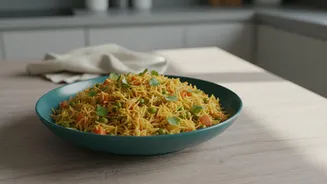
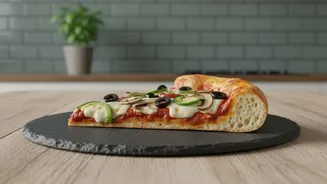
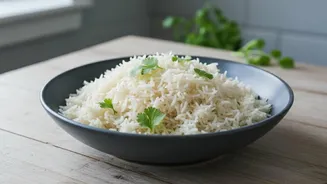
Pizza: Skip the microwave. Reheat slices in a dry skillet over medium heat with a lid on for a few minutes to melt the cheese, then remove the lid to crisp the crust. An air fryer or oven also works beautifully. Pasta and Rice: These starchy foods need moisture. For rice, microwave it covered with a damp paper towel. For pasta, gently warm it in a pan on the stovetop with a splash of water, broth, or extra sauce to rehydrate it. Fried and Crispy Foods: The air fryer is the undisputed champion here, restoring crispiness in minutes. A hot oven is the next best option. The key is dry, high heat to drive off the moisture the coating absorbed during storage. Steak and Chicken: To avoid rubbery meat, aim for gentle reheating. Sliced steak can be quickly revived in a hot skillet with a little oil. For chicken pieces, the oven wrapped in foil at a lower temperature keeps them juicy, or an air fryer can be used for a quicker result with a crispy skin.