






An Alert from the Himalayas
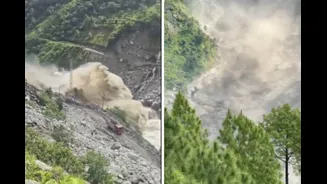
The annual monsoon challenge for India's Gangetic plains took a sharp turn this week as devastating flash floods in Nepal sent a massive volume of water surging downstream. The event, reportedly triggered by a disaster near the Nepal-Tibet border, immediately
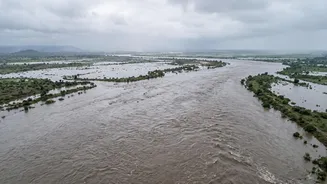
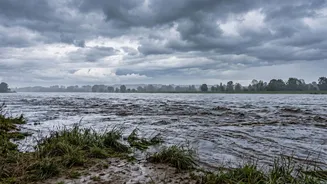
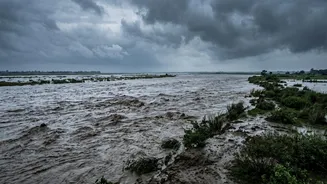
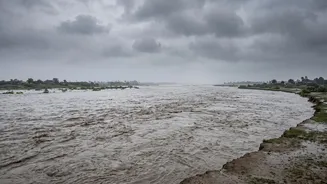
put the governments of Bihar and Uttar Pradesh on high alert. The primary concern is the Gandak river, known as the Narayani in Nepal, which serves as a major conduit for water flowing from the Himalayas. This sudden influx threatens to swell the Gandak and other connected rivers like the Kosi and Ghaghara, placing dozens of districts and millions of residents in the path of potential flooding.
Bihar's Multi-Layered Defence
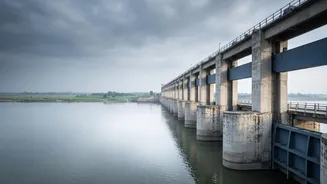
In Bihar, a state historically vulnerable to flooding, the response was swift and decisive. A high alert was sounded across at least nine districts, including West Champaran, East Champaran, Gopalganj, and Muzaffarpur. In a critical move, authorities opened all 36 gates of the Valmikinagar Barrage on the Gandak river to manage the water pressure and allow the surge to pass through. Leave for all field engineers and staff in the Water Resources Department was cancelled to ensure round-the-clock embankment surveillance. The state government held urgent meetings to coordinate efforts between district magistrates and police, emphasizing the need for constant vigilance. The message from Patna was clear: prepare for the worst while hoping for the best.
Uttar Pradesh Fortifies its Eastern Districts
Neighboring Uttar Pradesh, particularly its eastern districts, mirrored Bihar's sense of urgency. Chief Minister Yogi Adityanath directed the administrations of Maharajganj and Kushinagar, districts that lie in the path of the Gandak, to implement all necessary precautions. Round-the-clock monitoring of river levels was initiated, with a focus on strengthening embankments and identifying vulnerable points. In some low-lying villages in the Kushinagar district, the administration began issuing evacuation orders, urging residents to move to safer, pre-identified locations. The proactive measures reflect a hard-learned lesson from past monsoon seasons, where early action has proven to be the most effective tool in mitigating disaster.
NDRF and SSB: Boots on the Ground
At the heart of the on-ground response are the specialised teams of the National Disaster Response Force (NDRF). The force was placed on high alert, with a total of 20 teams deployed across the two states—11 in Uttar Pradesh and 9 in Bihar. Additional teams were specifically dispatched to the most vulnerable districts, such as West Champaran and Muzaffarpur in Bihar, and Kushinagar in UP. These teams are equipped with inflatable boats, life-saving equipment, and communication gear to carry out rescue and relief operations. Bolstering the effort, the Sashastra Seema Bal (SSB), which guards the India-Nepal border, has also activated its teams to assist with relief and rescue, creating a robust, coordinated security and response network.
Evacuations and Community Alerts
Beyond the technical aspects of managing water flow, the core of the preparedness plan is protecting human lives. In both states, the process of evacuating residents from low-lying areas and riverbanks has begun. In villages near Bagaha in West Champaran, families were moved to the safety of government schools and other designated shelters. Public announcement systems have been used extensively to warn residents about the rising water levels and instruct them on safety measures. This focus on community engagement is crucial, ensuring that warnings from monitoring agencies translate into timely action at the village level, helping to prevent panic and save lives.