







The Co-Pilot Is a Fully Qualified Pilot
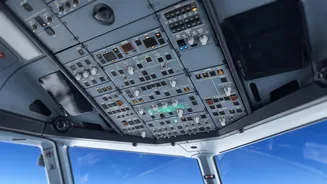
The first and most important layer of safety is the presence of a second-in-command, often called the co-pilot or first officer. This individual is not an apprentice; they are a fully licensed and qualified pilot who has undergone rigorous training. Captains
and first officers typically alternate flying duties on different legs of a journey. This means at any given moment, the person not actively flying is monitoring the flight and is prepared to take over instantly. This redundancy is the bedrock of commercial aviation safety, ensuring that the loss of one crew member does not compromise control of the aircraft.
Recognising the Problem and Taking Control
Incapacitation can be obvious, like a sudden collapse, or subtle, such as a pilot becoming unresponsive or confused. Crew Resource Management (CRM) training emphasizes constant communication and monitoring, so the other pilot is trained to notice when standard callouts are missed or responses become unclear. The immediate response is for the remaining pilot to take full control of the aircraft, often with the clear verbal announcement, "I have control." This ensures command is established. The first priority is always to fly the plane, maintaining a safe altitude and stable flight path before addressing any other issues.
Declaring an Emergency
Once the aircraft is under stable control, the pilot will communicate the situation to Air Traffic Control (ATC). This is typically done by declaring a "Mayday" or "Pan-Pan." A "Mayday" call signifies a grave and imminent danger, such as pilot incapacitation, and grants the flight absolute priority over all other air traffic. This alerts ATC to clear airspace, prepare for an emergency landing, and coordinate with response services on the ground. ATC becomes a vital resource, providing routing to the nearest suitable airport and other assistance.
The Role of the Cabin Crew
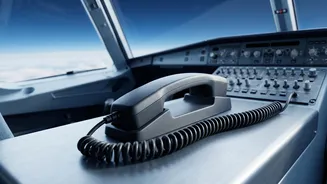
The remaining pilot will then call the senior cabin crew member, often the purser, to the flight deck. Flight attendants are trained to assist in these scenarios. Their first task is to secure the incapacitated pilot. This involves pulling their seat back and away from the controls and securing them with the seatbelt and shoulder harness to prevent any accidental interference with the aircraft's operation. Cabin crew will then administer first aid, such as oxygen, and may ask if there is a doctor or other medical professional among the passengers to provide assistance.
Managing the Landing
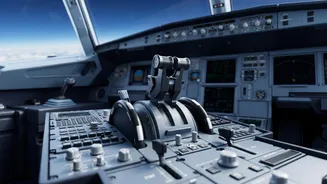
With the aircraft stabilized and the emergency declared, the solo pilot prepares for landing. They will manage all checklists, flight computer setup, and communications that are normally shared duties. While this increases workload, it is a scenario pilots practice in flight simulators. Modern aircraft are also equipped with autoland systems, which can automatically land the plane in certain conditions, particularly low visibility. However, a pilot will often choose to fly the landing manually if conditions permit. The decision to divert to the nearest suitable airport is made to get the incapacitated crew member medical attention as quickly as possible.