





The Diwali of the Gods
Dev Deepawali, often called the 'Diwali of the Gods', is a festival celebrated on Kartik Purnima, the first full moon night fifteen days after Diwali. According to Hindu mythology, it marks the day Lord Shiva vanquished the demon Tripurasura, and it is believed
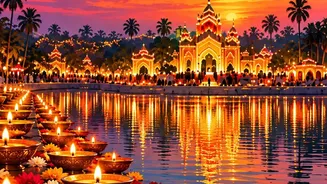
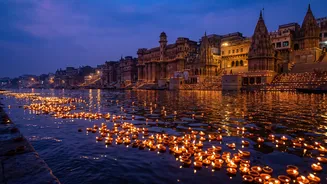
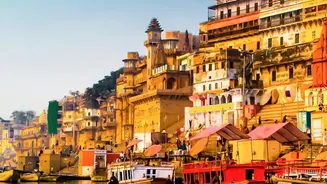
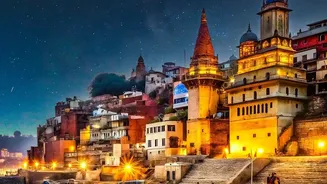
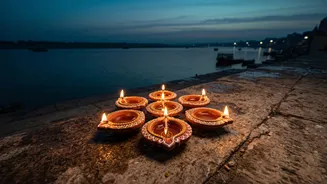
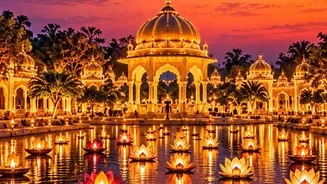
the gods themselves descend to Earth to bathe in the holy Ganga and celebrate. In Varanasi, this tradition transforms the city into a celestial spectacle. All 84 ghats along the crescent-shaped riverfront are illuminated by millions of diyas, creating a breathtaking river of light that draws devotees and visitors from around the globe.
A New Chapter in the Sky
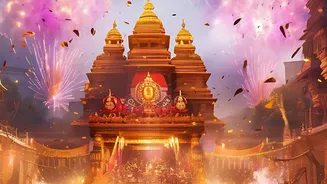
While the glow of countless diyas remains the heart of the celebration, the 2026 festivities included a significant addition: a grand green fireworks display. This wasn't merely a show of green-coloured lights. 'Green fireworks' are a specific category of low-emission pyrotechnics developed by India's Council of Scientific and Industrial Research-National Environmental Engineering Research Institute (CSIR-NEERI). These crackers are designed to reduce particulate matter emissions by at least 30% and do not contain banned, highly toxic chemicals like barium nitrate, lead, or arsenic.
What Makes Fireworks 'Green'?
The science behind green fireworks involves reformulating the chemical composition to make them safer and less polluting. CSIR-NEERI has developed several types, such as SWAS (Safe Water Releaser), which releases water vapour to suppress dust, and SAFAL (Safe Minimal Aluminium), which uses less aluminium. The goal is to retain the visual splendour of a fireworks show while significantly mitigating its environmental impact—a pressing concern during festival seasons across India, which are often associated with sharp spikes in air pollution. Consumers can identify genuine green crackers by looking for the official CSIR-NEERI logo and a scannable QR code on the packaging.
Tradition Meets Modern Responsibility
The decision to incorporate green fireworks into Varanasi's most iconic festival is a powerful statement. It signals a conscious effort to blend millennia-old traditions with contemporary environmental awareness. For a city as ancient and sacred as Kashi, this move demonstrates that celebrating heritage and protecting the environment do not have to be mutually exclusive. The event was part of a larger plan by the state government to make the celebrations grander than ever, with over a million diyas—some made from cow dung for an extra eco-friendly touch—and a laser show complementing the fireworks.
A Model for the Future?
The display in Varanasi could serve as a model for other large-scale public celebrations in India. As awareness about air quality grows, cities are increasingly grappling with how to honour cultural practices without exacerbating pollution. By embracing an innovation born out of Indian scientific research, Varanasi has showcased a path forward. The awe-inspiring sight of ecofriendly fireworks bursting over the shimmering ghats provided a glimpse into a future where festivals can be celebrated with both immense joy and a lighter environmental footprint, proving that even the most ancient traditions can evolve in beautiful and responsible ways.