







A New Map for Indian Travel
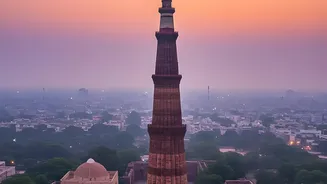
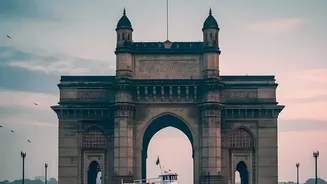
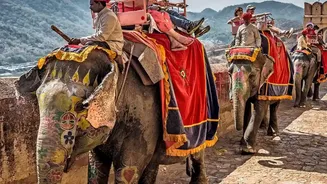
A quiet revolution is reshaping how Indians explore their own country. The long-established tourist trail—connecting major metros like Delhi and Mumbai with hotspots such as Jaipur and Agra—is no longer the only path taken. Today, both domestic and international
travellers are increasingly looking towards Tier-2 and Tier-3 cities, along with remote rural locales, for more unique and immersive experiences. This trend is driven by a growing fatigue with over-tourism in major cities and a desire to connect with local culture, food, and nature on a deeper level. Destinations like Rishikesh, Amritsar, and even smaller towns like Munnar in Kerala are seeing a significant uptick in visitor interest, signalling a clear preference for spiritual, wellness, and culturally rich journeys over conventional sightseeing.
The Search for Authentic Experiences
Modern travellers, particularly millennials and Gen Z, are prioritising experiences over simple sightseeing. The rise of 'micro-tourism'—short, purposeful getaways to less crowded places—reflects a desire for genuine connection. This has fueled the explosion of homestays and boutique villas, which offer a more personal alternative to impersonal hotels. In 2022 alone, homestay growth in India reportedly outpaced hotel growth significantly. These accommodations allow travellers to immerse themselves in local life, enjoy home-cooked regional cuisine, and discover hidden gems off the beaten path. This shift from passive observation to active participation is a core driver of the new tourism economy, empowering local communities and allowing travellers to form more meaningful connections with the places they visit.
Infrastructure: Paving the Way to the Unseen
This expansion of the tourist map would not be possible without significant upgrades to India's infrastructure. The government's UDAN (Ude Desh ka Aam Nagrik) scheme has been a game-changer, launching hundreds of new air routes to connect previously underserved or remote regions. In the last decade, the number of airports in India has more than doubled, making places in the Northeast, hilly regions, and smaller heritage towns more accessible than ever. This improved air connectivity, coupled with a growing network of expressways and better rail services like the Vande Bharat Express, has drastically reduced travel time and opened up a wealth of new destinations for exploration, from spiritual centres like Ayodhya and Deoghar to leisure spots in the Himalayas.
The Economic Ripple Effect
The move towards regional destinations is not just a win for travellers; it's a powerful engine for local economies. Tourism in smaller towns and rural areas creates jobs and encourages micro-entrepreneurship, particularly through homestays that allow local families to generate income with minimal investment. This decentralisation of the tourism industry helps distribute wealth beyond the saturated metropolitan centres. As major hotel brands and boutique operators expand into these emerging markets, they bring with them a need for a skilled workforce and supporting services, creating a new ecosystem of opportunity. However, this growth also brings challenges. The key to long-term success will be managing this expansion sustainably, ensuring that the very culture and nature that attract visitors are preserved for the future.