








The Brain on a Rainy Day
That sudden urge for a fried snack isn't just in your head; it’s in your brain chemistry. The gloomy, overcast skies of the monsoon mean significantly less sunlight. This reduction in sunlight exposure can cause a dip in serotonin, the brain's 'feel-good'
neurotransmitter that regulates mood and happiness. When serotonin levels fall, the body instinctively seeks ways to bring them back up, and one of the quickest methods is by consuming carbohydrates. Foods like pakoras, which are rich in carbs and fat, trigger a brief spike in serotonin and a release of dopamine, the pleasure-and-reward chemical, creating a fleeting feeling of comfort and satisfaction.
The Allure of Warmth and Crunch
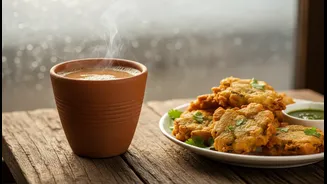
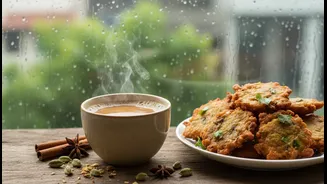
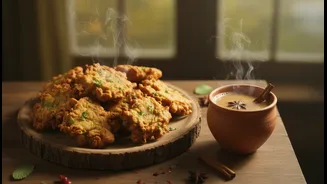
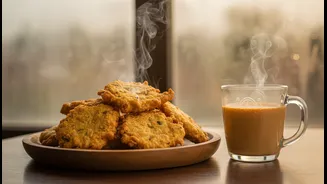
Beyond the chemical reactions, there's a powerful sensory element at play. The monsoon brings cooler temperatures and damp, humid conditions. In this environment, the body naturally craves warmth. A hot cup of chai and freshly fried pakoras provide an immediate, comforting warmth that contrasts sharply with the damp chill in the air. The texture of these snacks is just as important. The crispiness of a pakora creates a satisfying sensory experience that feels rewarding when everything else feels a bit sluggish and damp. This combination of hot, crispy, and often spicy food provides a multi-layered comfort that goes beyond simple nutrition.
A Deeply Rooted Cultural Ritual
The chai-pakora combination is more than just a snack; it's a cultural institution in India. This pairing became particularly popular in urban India during the 20th century, cementing itself as a beloved ritual. For many, the smell of rain, known as petrichor, is powerfully linked to memories of childhood, family gatherings, and holidays where these snacks were a centrepiece. The brain processes smell and emotion in the same region, so a whiff of wet earth can instantly transport you back to a cherished memory, making the associated foods feel incredibly comforting. This tradition is a shared experience, from families gathering at home to colleagues stepping out for a break, transforming a simple snack into an act of community and connection.
An Ayurvedic Perspective
Traditional Indian wisdom also offers an explanation. According to Ayurveda, the monsoon season can weaken the digestive system due to the humid and damp environment. It is recommended to consume foods that are warm, light, and easy to digest. While deep-fried snacks might seem counterintuitive, traditional pakora recipes often include spices like ajwain (carom seeds) and ginger, which are known to aid digestion. Similarly, the spices in masala chai, such as ginger, clove, and cardamom, are believed to boost immunity and help the body cope with the damp weather. The focus is on providing warmth and supporting digestion during a season that challenges the body.
Should You Indulge the Craving?
Understanding the 'why' behind the craving can help you approach it more mindfully. This powerful urge is a combination of your brain seeking a chemical boost, your body seeking warmth, and your heart seeking the comfort of nostalgia. Rather than fighting it, experts suggest enjoying the ritual in moderation. The problem isn't the occasional plate of pakoras enjoyed with family during a downpour; that's a joyful part of the season. The key is to avoid making it a daily crutch. By understanding that your body is responding to real biological and emotional triggers, you can enjoy this beloved monsoon tradition without guilt, savouring it as the special treat it is.