







What Exactly is a Cool-Cation?
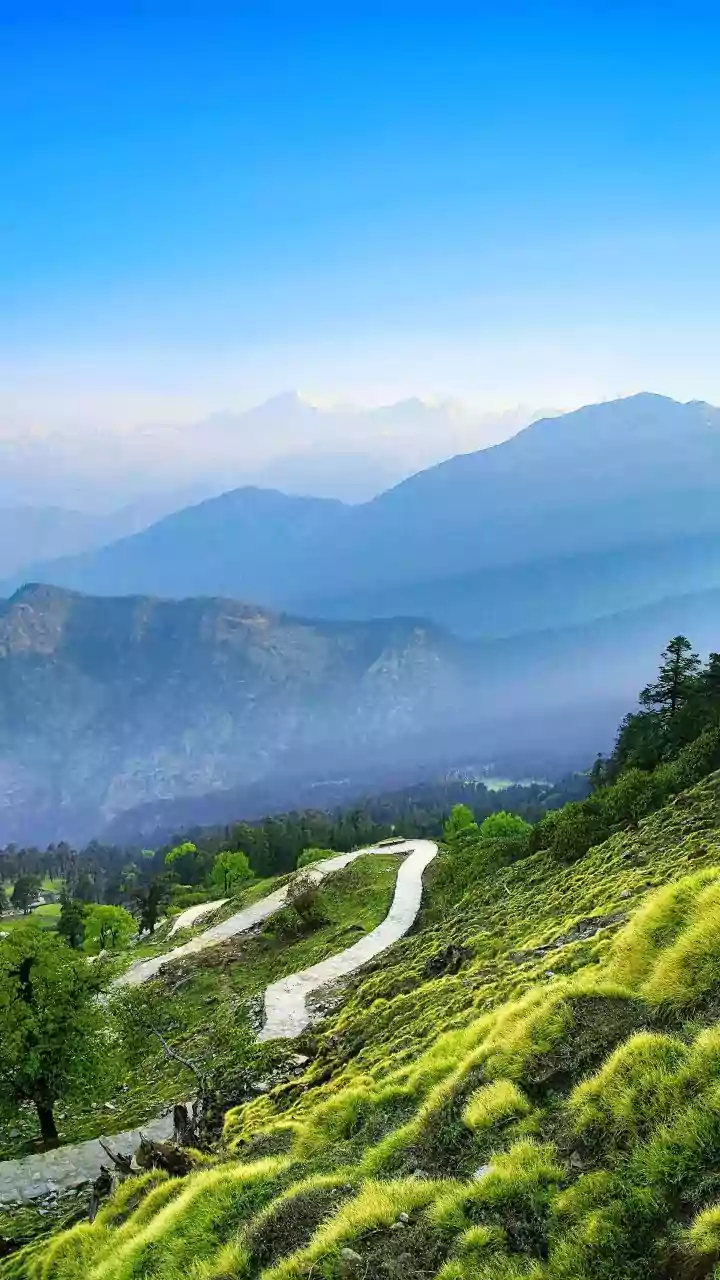
Forget the quick weekend trip. A cool-cation is an extended retreat to a place with a significantly lower temperature, undertaken with the specific goal of escaping a heatwave. Think of it as climate-driven travel. For years, Indians have flocked to hill
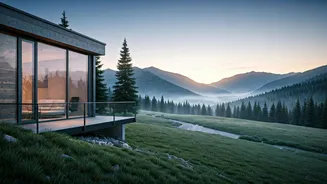
stations to beat the summer heat, but this new trend is different in its intensity and intent. It’s no longer just about leisure; it's about preserving well-being, productivity, and sanity. Driven by record-breaking temperatures that make daily life in cities like Delhi, Jaipur, and Lucknow a struggle, these trips are often longer, spanning weeks or even a month. The rise of flexible work arrangements has been a massive catalyst, allowing professionals to swap their city apartments for mountain-view home offices.
The Heatwave is the Ultimate Push Factor
India is grappling with heatwaves that are becoming more frequent, more intense, and longer-lasting. When temperatures soar past 45 degrees Celsius, staying indoors is not just a comfort choice but a public health advisory. This unrelenting heat disrupts everything — work, sleep, health, and mood. For those with the means, enduring this ordeal is no longer a given. Travel platforms have reported a massive surge in searches and bookings for cooler destinations. Queries for places in Himachal Pradesh, Uttarakhand, and Kashmir have skyrocketed, with some travel agents seeing a 40-50% jump in bookings for mountain getaways compared to previous years. The cool-cation is a direct, adaptive response to a climate that is making parts of the country temporarily unlivable.
The New 'Work from Mountains' Culture
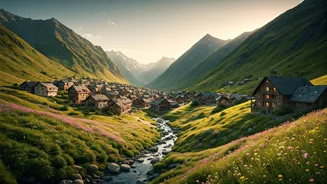
The pandemic normalised remote work, and the heatwave is perfecting it. The 'work from mountains' or 'work from a hill station' phenomenon is a key pillar of the cool-cation trend. Professionals are packing their laptops and migrating to places like Manali, Mussoorie, and even lesser-known hamlets in the Tirthan Valley for weeks at a time. They maintain their work schedules while enjoying crisp mountain air, scenic views, and freedom from the oppressive heat. Homestays, guesthouses, and 'work-friendly' cafes in these regions are thriving, offering high-speed internet and a peaceful environment. This blend of work and wellness is the ultimate modern 'flex'—a demonstration of a lifestyle that prioritises both career and quality of life.
Beyond the Usual Hill Stations
While traditional destinations like Shimla and Nainital remain popular, they are also battling overcrowding. As a result, savvy travellers are seeking out quieter, more sustainable alternatives. Places like Kasauli, Landour, and Mukteshwar are gaining traction. In the south, hill stations like Kodaikanal, Ooty, and Coorg offer a respite for those in cities like Chennai and Bengaluru. The search is on for destinations that offer not just cool weather but also tranquility and a break from the urban grind. This shift is also pushing a greater exploration of India's diverse geography, as people look for any pocket of the country that can provide thermal comfort during the peak summer months. Even coastal areas with a pleasant sea breeze are being considered as part of this broader trend.
A Sign of Deeper Changes
The rise of the cool-cation is more than just a travel trend; it’s a socio-economic indicator. It highlights a growing divide between those who can afford to escape the heat and those who cannot. While it represents a smart adaptation for some, it underscores the harsh reality for millions who must endure life-threatening temperatures. Furthermore, the influx of tourists puts a strain on the fragile ecosystems of these mountain towns, raising concerns about water scarcity, waste management, and sustainable development. As a 'flex,' the cool-cation is aspirational, but as a phenomenon, it forces a larger conversation about climate adaptation, equity, and the future of travel and work in a rapidly warming India.