







The Living Room as the New Fitness Studio
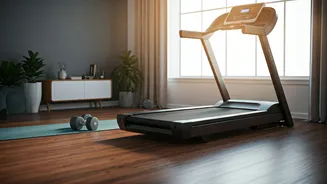
Forget the clanking weights and crowded locker rooms of yore. Today’s premier fitness destinations are increasingly found in spare bedrooms, living rooms, and garages. This isn’t a return to lonely Jane Fonda VHS tapes. The modern indoor fitness movement
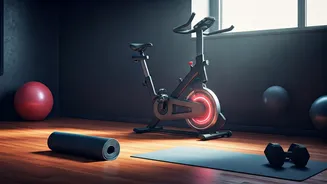
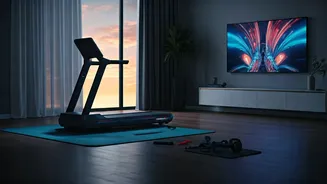
is sleek, connected, and deeply integrated with technology. We’re talking about interactive mirrors that guide you through yoga poses, stationary bikes with charismatic instructors streaming live from a studio, and AI-powered strength training machines that act as a personal spotter. Companies like Peloton, Tonal, and Mirror (now part of Lululemon) haven’t just sold equipment; they’ve sold an ecosystem. They offer a boutique fitness class experience without the commute, the awkward small talk, or the struggle for a parking spot.
The Perfect Storm: A Pandemic and Mature Tech
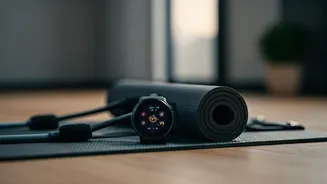
This shift didn’t happen overnight, but it was dramatically accelerated by the COVID-19 pandemic. When gyms across the country shuttered in 2020, they created a massive, captive audience desperate for ways to stay active and sane. This sudden demand collided with a fitness technology sector that was finally mature enough to meet the moment. High-speed internet was ubiquitous, streaming quality was high-definition, and wearable devices like the Apple Watch and Fitbit had already conditioned us to track our every move. The pandemic wasn't the cause of the indoor fitness boom, but it was the catalyst that pushed years of gradual change into a matter of months, forcing millions to try—and often, fall in love with—the convenience of working out at home.
Beyond Convenience: The Psychology of Control
While convenience is the most obvious selling point, the psychological benefits are what give the trend its staying power. At-home fitness offers a level of privacy and control that public gyms simply can't match. For beginners or anyone self-conscious about their form, the fear of judgment—often called “gymtimidation”—is a significant barrier. Working out at home eliminates that anxiety. It allows you to grunt, sweat, and fail without an audience. Furthermore, it puts you in complete control of the environment. You choose the music, the temperature, the timing, and the workout. In a world of rigid schedules and constant demands, having one part of your life that adapts entirely to you, and not the other way around, is a powerful draw.
Community in the Age of Isolation
The biggest knock against at-home workouts has always been the isolation. Fitness, for many, is a social activity. But tech-forward companies have cleverly solved this problem by building vibrant, digital-first communities. Peloton’s leaderboards, virtual high-fives, and instructor shout-outs create a sense of shared struggle and collective achievement. Strava turns a solitary run or bike ride into a competition amongst friends and neighbors. These platforms have fostered surprisingly deep connections, with users forming online groups, celebrating each other's milestones, and developing a fierce loyalty to their favorite instructors. This digital community offers the motivation and accountability of a group class without requiring everyone to be in the same physical space.
So, Is the Traditional Gym Finished?
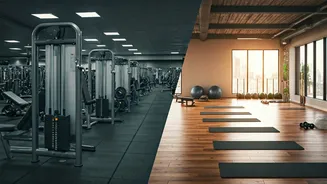
Not so fast. While the home has become a primary fitness hub, it doesn’t mean the traditional gym is destined for extinction. Instead, its role is evolving. Reports suggest a rise in the “hybrid” model, where consumers subscribe to both at-home fitness apps and a physical gym membership. People are using their living rooms for quick, convenient cardio or yoga sessions, while saving the gym for heavy weightlifting, specialized equipment, or the unique energy of an in-person class. Gyms that are thriving are the ones leaning into this new reality, positioning themselves as premium social hubs, offering unique experiences, or catering to niche communities like powerlifting or CrossFit that are difficult to replicate at home. The future isn't a battle between home and gym; it's a synthesis of both.