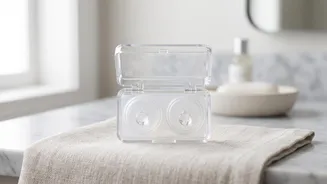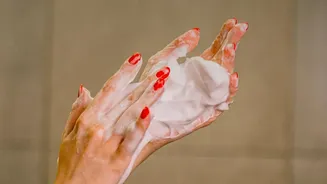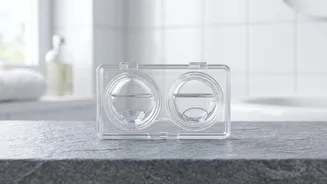

For contact lens wearers, daily cleaning is a given. But looking after your lenses is only half the battle. Your contact lens case, a warm and moist environment, can be a breeding ground for harmful bacteria if not cared for properly.
The Hidden Dangers of Water
It may seem harmless
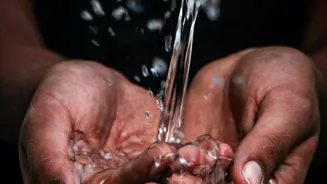
to rinse your lenses or case with tap water, but it's one of the biggest risks you can take with your eye health. Water—whether from the tap, shower, pool, or lake—is not sterile and contains microorganisms. One of the most dangerous is an amoeba called Acanthamoeba. This organism can become trapped behind a contact lens, leading to Acanthamoeba keratitis, a rare but severe and painful infection of the cornea. Symptoms often include severe eye pain, redness, blurred vision, light sensitivity, and the feeling that something is in your eye. In serious cases, it can lead to vision loss or even require a corneal transplant. The U.S. Centers for Disease Control and Prevention (CDC) and other health authorities strongly advise against any contact between water and your lenses.
Your Daily Case Cleaning Ritual
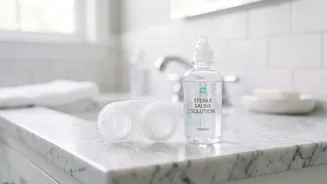
A clean case is crucial for preventing infections. Simply topping off old solution is not enough; it dilutes the disinfectant's power and creates a contaminated environment. Instead, adopt this daily routine recommended by eye care professionals. First, always wash your hands thoroughly with soap and water and dry them with a lint-free towel before handling your lenses or case. After you put your lenses in your eyes, immediately empty all the old solution from the case. Next, rinse the case—including the inside of the caps—with fresh contact lens disinfecting solution, never water. Use a clean finger to gently rub the inside of the case to dislodge any buildup or biofilm. Finally, rinse it one more time with fresh solution.
The Critical Importance of Air Drying
Once your case is rinsed, the next step is just as important: letting it dry completely. A moist, closed environment is the perfect breeding ground for bacteria. After rinsing, you can wipe away excess solution with a fresh, clean tissue. Then, store the case and its caps upside down on another clean tissue, leaving them open to air-dry throughout the day. This simple step significantly reduces the risk of microbial growth, ensuring your case is as clean and safe as possible when you store your lenses at night. Some people find it helpful to have two cases that they can rotate, ensuring one is always completely dry and ready for use.
When to Say Goodbye: Replacing Your Case
Even with perfect daily cleaning, a contact lens case does not last forever. Over time, microscopic cracks can form in the plastic, creating hiding spots for bacteria and the development of 'biofilms'—slimy colonies of germs that are resistant to disinfecting solutions. For this reason, eye care professionals and the CDC recommend replacing your contact lens case at least every three months. Some experts even suggest replacing it monthly. A good habit is to get a new case every time you open a new bottle of contact lens solution, as many solution brands include a complimentary case for this very reason. If you see any visible cracks, discoloration, or sticky residue, replace the case immediately, regardless of its age.
Essential Water Safety Habits
Beyond case care, general water safety is paramount. The fundamental rule is to remove your contact lenses before showering, swimming, or using a hot tub. The risk of trapping contaminated water against your cornea is too high. If you accidentally expose your lenses to water, you should remove them as soon as possible with clean, dry hands. If you wear daily disposables, throw them away. If they are reusable lenses, they must be thoroughly cleaned and disinfected overnight before being worn again. For swimmers who need vision correction, prescription swimming goggles are a safe and effective alternative to wearing contacts in the water.