


A New Way to Experience History
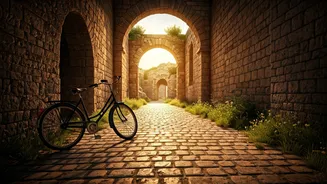
Forget stuffy tour buses and rushed itineraries. A growing tribe of travellers is discovering the magic of slow travel on two wheels. Cycling expeditions through regions rich in history, particularly in Central India, are moving from a niche hobby to a sought-after
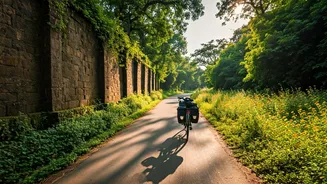
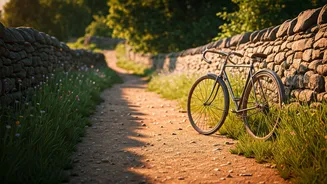
experience. This trend combines physical activity, cultural immersion, and sustainable tourism, offering a perspective that a faster mode of transport simply cannot. It’s about feeling the landscape change beneath your wheels, stopping spontaneously at a village tea stall, and arriving at a magnificent fort not as a passive observer, but as an active participant in the journey. This isn’t about extreme athleticism; it’s about curiosity. Tour operators have tailored experiences for various fitness levels, making these ancient trails accessible to anyone with a spirit of adventure.
What's Fuelling the Trend?
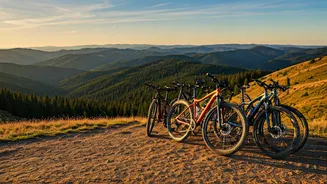
Several factors are converging to power this movement. Post-pandemic, there's a heightened desire for open-air activities and meaningful escapes from urban life. The concept of 'experiential travel'—prioritising experiences over simple sightseeing—has found a perfect outlet in heritage cycling. Furthermore, infrastructure has improved, with better roads connecting formerly remote heritage sites. But the biggest catalyst has been the rise of specialised tour companies. These groups handle all the logistics: providing high-quality bikes, planning safe routes, arranging accommodation in heritage hotels or comfortable homestays, and providing support vehicles. This professionalisation has removed the barriers to entry, allowing people who aren't expert cyclists or planners to embark on epic journeys with confidence.
The Orchha-Khajuraho Connection
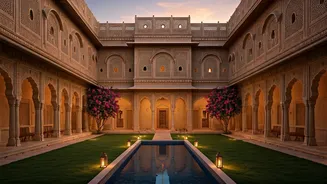
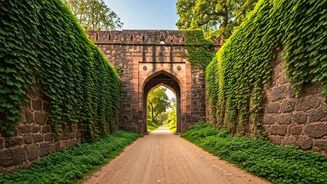
The route between Orchha and Khajuraho in Madhya Pradesh is arguably the poster child for this trend. The journey is a masterclass in plunging into India’s feudal and spiritual past. Cyclists start in Orchha, a town seemingly frozen in the 16th century, with its magnificent palaces, temples, and royal chhatris (cenotaphs) lining the Betwa River. From there, the trail winds through quiet rural roads, past fields of wheat and mustard, and through small villages where life moves at a different pace. The destination is Khajuraho, a UNESCO World Heritage site famous for its stunning temples adorned with intricate and sensual sculptures. Completing this 170-kilometre-plus journey over several days offers a profound sense of connection to the history and landscape of the Bundelkhand region.
Beyond the Beaten Path
While the Orchha-Khajuraho trail is iconic, the spirit of heritage cycling is spreading. In Karnataka, the boulder-strewn, otherworldly landscape of Hampi has long been a favourite for cyclists. Pedalling through the ruins of the Vijayanagara Empire, exploring its vast temple complexes and bazaars on a bike, is a rite of passage for many backpackers and adventure tourists. Similarly, routes are being charted through the deserted grandeur of Mandu in Madhya Pradesh, known for its Afghan-style architecture and the legendary love story of Baz Bahadur and Rani Roopmati. Other emerging trails take cyclists through the Shekhawati region of Rajasthan, famous for its painted havelis, or the temple towns of Tamil Nadu, each offering a unique blend of physical challenge and historical discovery.
More Than Just a Ride
The appeal of these expeditions goes beyond personal achievement and stunning photo opportunities. It represents a more conscious way to travel. By moving slowly, travellers engage more deeply with local communities, supporting small businesses like roadside dhabas and local handicraft artisans. This form of tourism has a lower carbon footprint and encourages the preservation of both natural and cultural heritage. For the cyclist, the reward is multi-layered. There's the physical accomplishment of covering distances under your own power, the mental clarity that comes from focusing on the rhythm of pedalling, and the unparalleled historical context gained by experiencing the distance and terrain that separated ancient capitals and kingdoms.