






A unique geological wonder in the Andaman and Nicobar Islands has received a major boost. The Baratang Mud Volcanoes are now on India's Tentative List for UNESCO World Heritage Sites, a crucial first step toward gaining global recognition.
A Landscape Alive
Located on Baratang
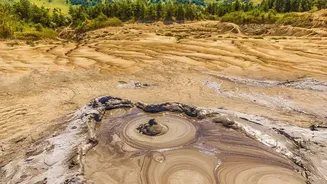
Island, about 100 kilometres from Port Blair, these are not the fiery mountains of popular imagination. Instead of lava, these rare formations spew a cold, bubbling slurry of mud, water, and natural gases like methane. This geological activity is the result of immense underground pressure from tectonic movements, where the Indian Plate is subducting beneath the Burma microplate. The mud volcanoes, known locally as 'jalki', offer a direct window into the planet's deep geological processes. The landscape is often described as otherworldly, with small, grey cones gurgling and spitting mud in a quiet forest setting, a reminder that the islands are geologically alive. The site is part of a larger proposed area called the Karst-mud-volcano Complex, which also includes extensive limestone caves formed over millions of years.
What is the UNESCO Tentative List?
Being added to the Tentative List is the mandatory first step for any site aspiring to become a World Heritage Site. It is essentially an inventory of a country's most significant natural and cultural heritage sites that it intends to nominate for the final list in the coming years. A site must be on this provisional list for at least one year before a formal nomination can be submitted to the World Heritage Committee for consideration. The list functions as a forecast, allowing for planning, research, and preparation of the comprehensive nomination dossier required by UNESCO. India's Permanent Delegation to UNESCO submitted the proposal for Baratang, which was officially added on October 20, 2026. This move signals India's commitment to protecting the site and recognising its 'Outstanding Universal Value'.
The Long Road to World Heritage Status
Inclusion on the Tentative List is a significant milestone, but it does not guarantee a spot on the final World Heritage List. The nomination process is rigorous and can take many years. After a country formally nominates a site, it is evaluated by independent advisory bodies—the International Union for Conservation of Nature (IUCN) for natural sites and the International Council on Monuments and Sites (ICOMOS) for cultural sites. These bodies conduct detailed field missions and reviews to assess whether the site meets at least one of the ten specific selection criteria, which measure its 'Outstanding Universal Value'. They then make a recommendation to the World Heritage Committee, composed of 21 rotating member states, which makes the final decision on inscription. The process requires robust management plans and a firm commitment from the government to conserve the site.
What This Means for the Andamans
This recognition puts a global spotlight on the Andaman and Nicobar Islands' unique geology. The Hon'ble Lieutenant Governor, Dr. Dinesh Sharma, stated that the inclusion highlights the international significance of the islands' natural heritage and will boost efforts for its scientific documentation and conservation. Gaining World Heritage status often leads to increased tourism, which can provide economic benefits to local communities. However, the key is to manage this growth sustainably. Officials have emphasised that the goal is to develop these sites in a structured and responsible manner, promoting eco-tourism while strengthening conservation. The UNESCO tag would not only bring prestige but also access to global expertise and potentially funding for preservation, ensuring this natural wonder is protected for future generations. The focus is on harmonising tourism with environmental protection to preserve the delicate ecosystem of the islands.