
Your Guiding Light: Saturn at its Best
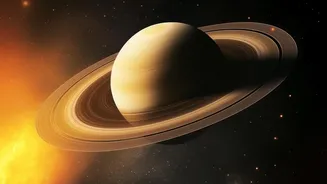
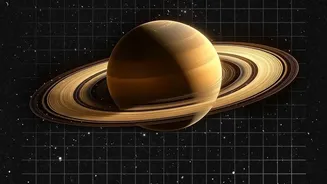
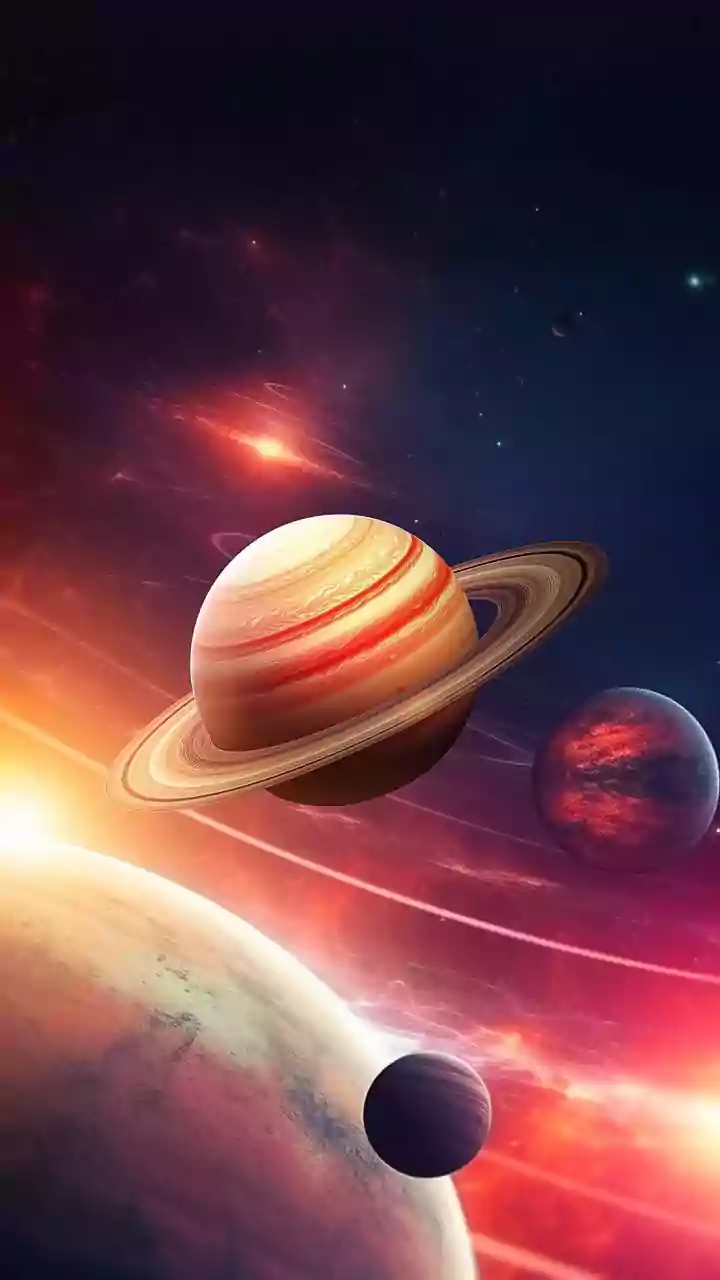
This October is a special time for beginners because Saturn is at its observational peak. The planet reached 'opposition' on October 4, an event where Earth passes directly between Saturn and the Sun. This alignment makes the planet appear brighter and larger
than at any other time of the year, and it will be visible for most of the night. For observers in India, Saturn rises in the eastern sky around sunset and remains visible throughout the night, setting around sunrise. You don't need expensive equipment to spot it; Saturn will be visible to the naked eye as a bright, steady, yellowish point of light. Since it’s surrounded by dimmer stars, its solitary brightness makes it easy to identify. This provides a reliable and rewarding target to anchor your new skywatching habit.
More Than Just One Planet
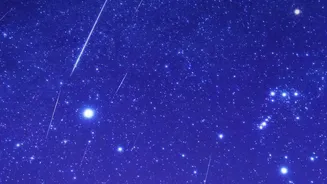
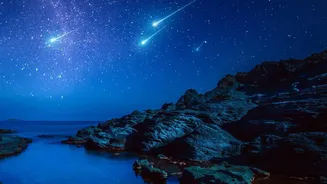
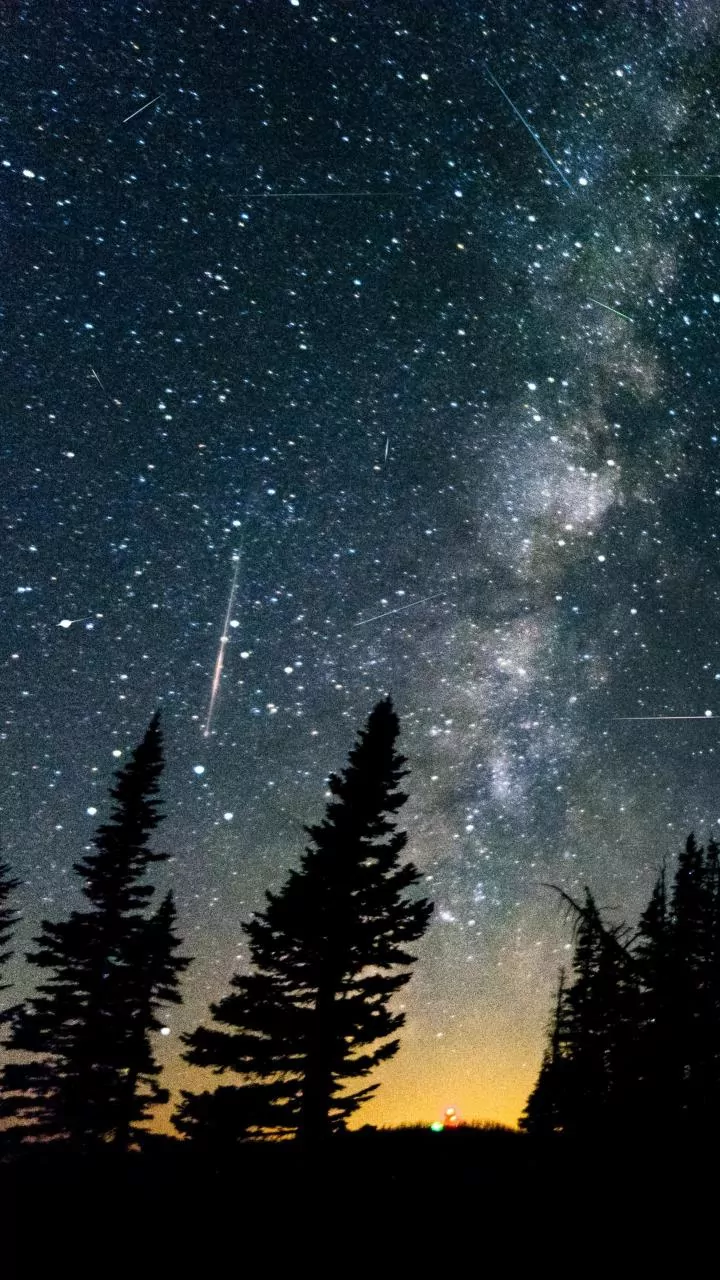
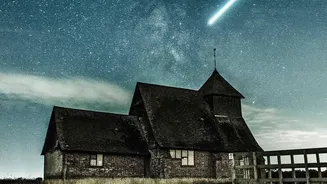
While Saturn is the main event, it’s not the only celestial sight to behold. Jupiter is another brilliant object to look for. In early October, it rises a few hours after midnight, but the best time to see it is in the pre-dawn hours when it's higher in the eastern sky. On the morning of October 6, you could have seen the Moon pass very close to Jupiter, a beautiful pairing in the early morning sky. October is also a great month for meteor showers. The Draconids peak around October 8-9, and though it's a minor shower, it kicks off the season. The real highlight is the Orionid meteor shower, which is active for much of the month and peaks on the night of October 21-22. These fast, bright meteors are debris from Halley's Comet. This year, a bright moon will interfere, so the best viewing window will be in the early morning hours after the moon sets, around 3 a.m.
Getting Started: The Bare Essentials
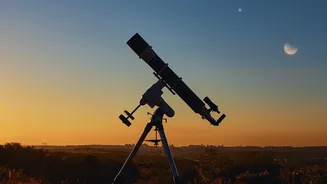
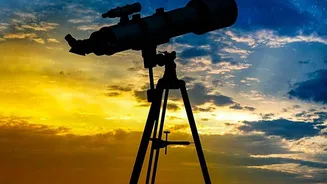
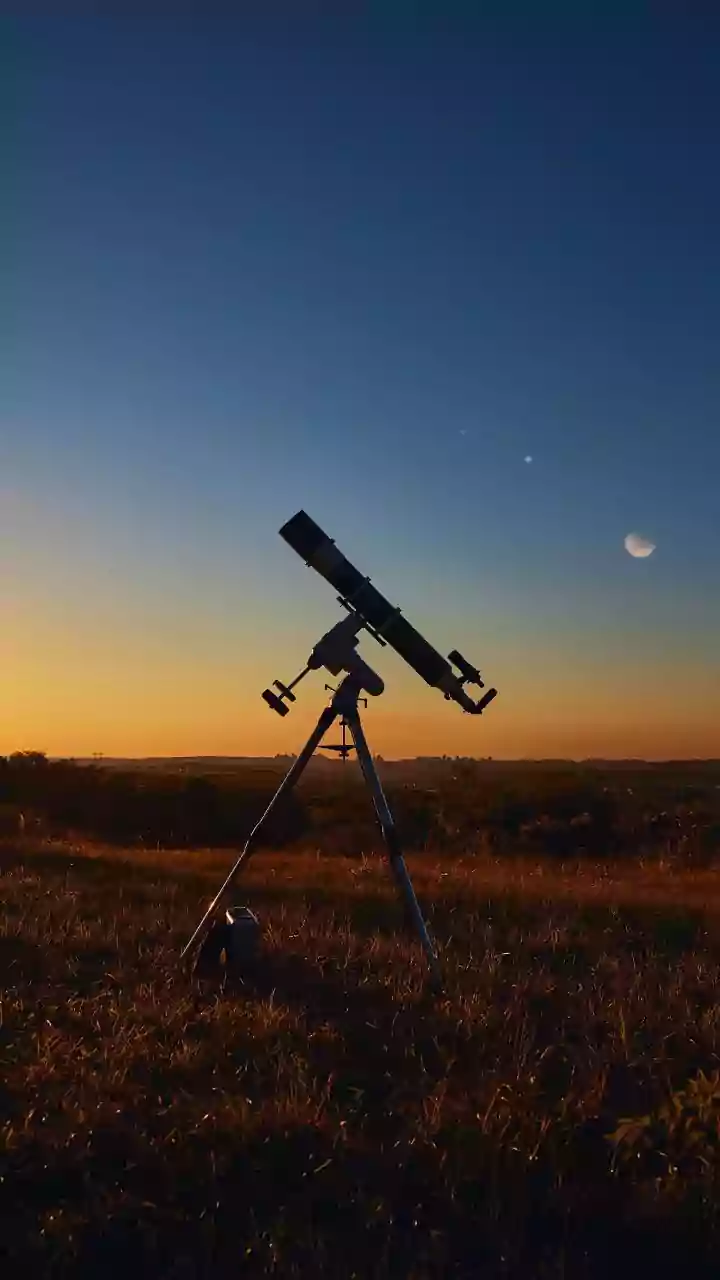
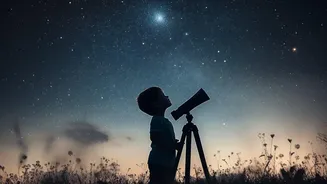
The beauty of starting an astronomy hobby is its simplicity. You can begin with just your eyes. Find a comfortable spot away from harsh city lights, perhaps a park, a rooftop, or a balcony with a clear view of the sky. Give your eyes about 15 to 20 minutes to fully adjust to the darkness; this will allow you to see much fainter stars. Your smartphone can become an invaluable tool. Apps like Stellarium Mobile, Star Walk 2, or Sky Tonight can help you identify planets, stars, and constellations simply by pointing your phone at them. These apps often have a red-light mode to preserve your night vision. When you're ready to upgrade, a good pair of binoculars is the next logical step, enhancing views of the Moon and revealing Jupiter's own moons. A small telescope can then bring Saturn's famous rings into focus, a sight that hooks many for life.
From Hobby to Healthy Habit
Beyond the thrill of spotting distant worlds, stargazing offers profound wellness benefits. The simple act of looking up at the vast cosmos encourages a state of mindfulness, pulling you away from daily anxieties and the endless glare of screens. Studies suggest that experiencing moments of awe, like watching a meteor streak across the sky, can reduce stress and improve your overall emotional well-being. Integrating stargazing into your nightly routine can also improve your sleep. Spending time in natural darkness helps regulate your body’s internal clock and boosts the production of melatonin, the sleep hormone. Think of it as a cosmic reset. Just 15-20 minutes spent under the stars can create a peaceful transition from a hectic day to a restful night, grounding you in the present moment.