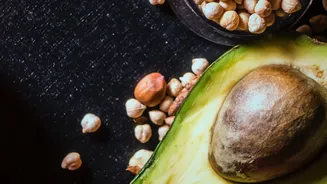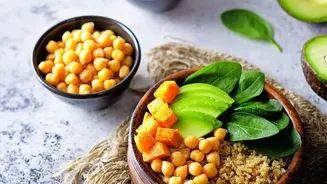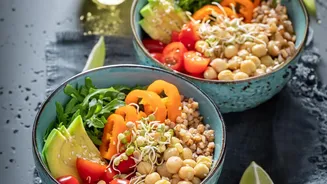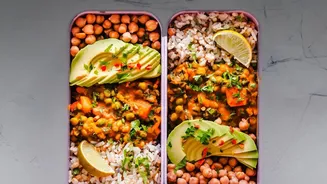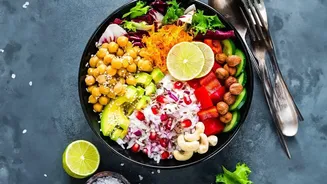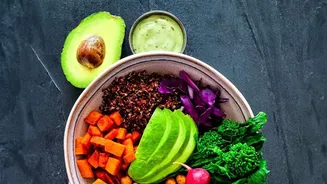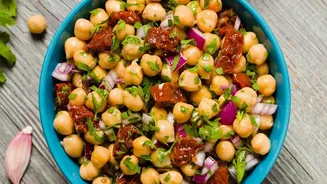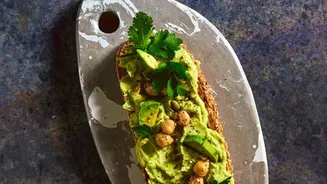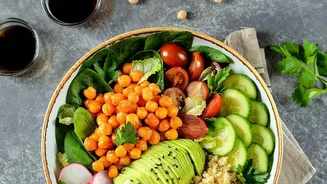


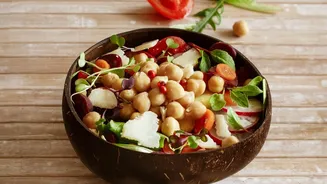

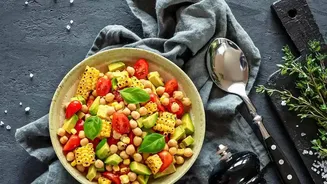
It's a match made in food heaven: creamy avocado paired with hearty chickpeas. This combination is a staple in healthy salads, bowls, and spreads. But have you ever wondered which ingredient is pulling its nutritional weight, especially on protein?
The Protein Verdict Is In
Let’s
settle the main question right away: the headline is correct. When you combine chickpeas and avocados, the chickpeas are undeniably the main source of protein. A typical 100-gram serving of cooked chickpeas contains around 8 to 9 grams of protein. In stark contrast, the same amount of avocado provides only about 2 grams of protein. So, if you're eating this duo for a plant-based protein boost, you have the humble chickpea to thank. While delicious and nutrient-dense in other ways, avocado’s protein content is minimal, with its calories primarily coming from fat. For context, a cup of cooked chickpeas offers roughly 15 grams of protein, a significant portion of the daily recommended intake.
Chickpeas: The Plant-Powered Workhorse
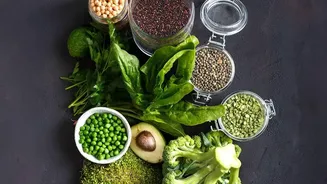
Beyond just the numbers, it's important to understand the kind of protein chickpeas provide. As a legume, chickpeas are a fantastic source of plant-based protein. However, like most plant proteins, they are considered 'incomplete', meaning they don't contain high enough levels of all nine essential amino acids on their own. Specifically, they are low in the amino acid methionine. But this is easily solved. Pairing chickpeas with grains like rice, quinoa, or whole-wheat bread creates a complete protein profile, which is why combinations like hummus and pita are not just delicious but also nutritionally smart. Furthermore, chickpeas are nutritional all-stars in other areas. They are packed with dietary fiber, with about 12.5 grams per cup, which aids digestion and helps you feel full longer. They are also a rich source of essential minerals like iron, magnesium, and particularly folate.
Avocado: The Healthy Fat Hero
If chickpeas are the protein providers, avocados are the heroes of healthy fats. Over 75% of the fat in an avocado is monounsaturated fat, primarily in the form of oleic acid—the same heart-healthy fat found in olive oil. These 'good fats' are celebrated for their ability to help lower 'bad' LDL cholesterol and raise 'good' HDL cholesterol, which is beneficial for heart health. This high-fat content also serves another crucial purpose: it helps your body absorb fat-soluble vitamins. This means when you eat avocado with other nutrient-rich foods, it acts as a 'nutrient booster', enhancing the absorption of vitamins A, D, E, and K. Avocados are also surprisingly high in fiber and contain more potassium than a banana, a mineral that helps regulate blood pressure.
Why They Make a Perfect Pair
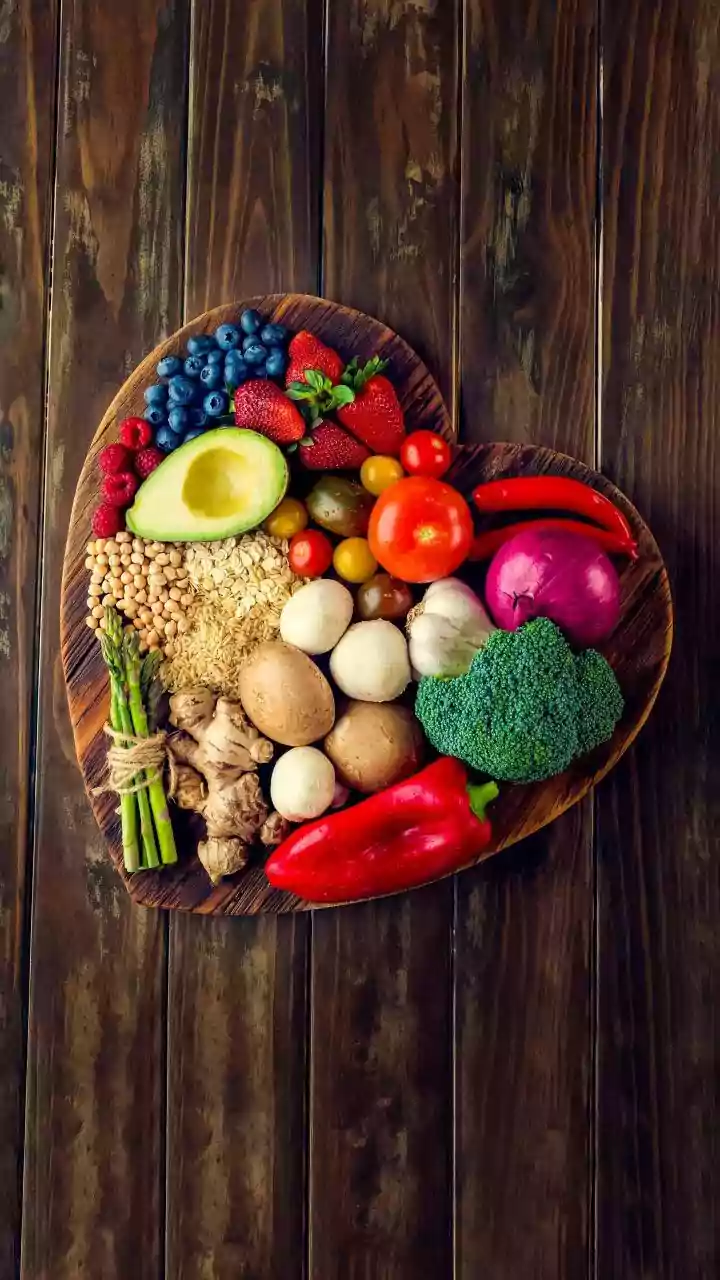
The true magic happens when you bring these two foods together. The combination offers a balanced macronutrient profile that is hard to beat. You get quality protein and complex carbohydrates from the chickpeas, which provide sustained energy. This is complemented by the healthy fats from the avocado, which promote satiety and slow down the absorption of carbohydrates, helping to prevent blood sugar spikes. This pairing creates a meal that keeps you feeling full, energised, and satisfied for hours. Together, they deliver a powerhouse of nutrients: protein for muscle repair, fiber for digestive health, healthy fats for heart and brain function, and a wide array of vitamins and minerals for overall wellness.