



Moving Beyond the Monolith
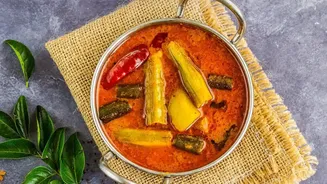
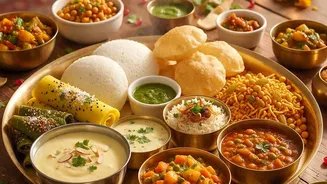
The idea of a single ‘South Indian cuisine’ is dissolving. In its place is a growing appreciation for the specific culinary identities that make up the region. Tamil Nadu, a state with a rich and layered food history, is at the forefront of this discovery.
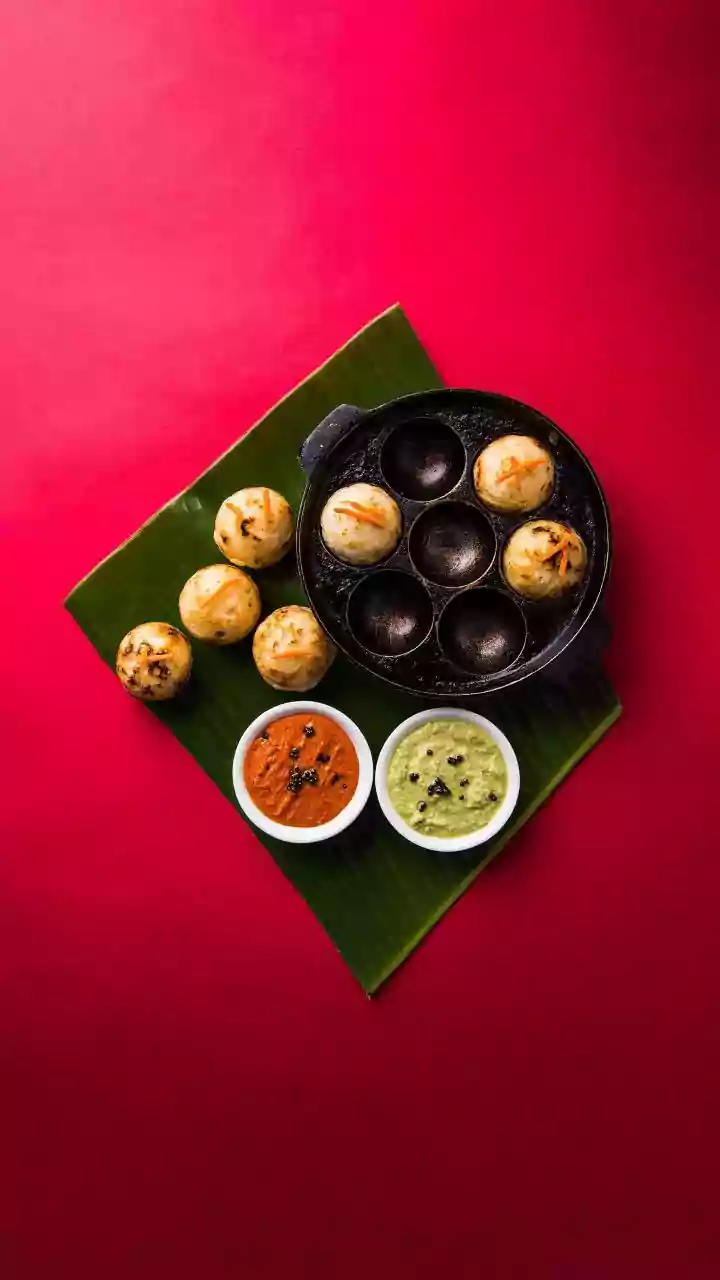
Food enthusiasts are learning that the fiery, aromatic dishes of Chettinad are worlds away from the coconut-infused seafood preparations of Nanjil Nadu (Kanyakumari district). Similarly, the rustic, lentil-forward fare of the Kongunadu region offers a completely different palate to the unique street food of Madurai. This move towards specificity is driven by a desire for authenticity and a rejection of the oversimplified menus that once dominated.
The Rise of the Culinary Explorer
Today’s young Indians, particularly Millennials and Gen Z, are not just consumers; they are explorers. This generation is more curious, well-travelled, and digitally connected than any before. Their approach to food is adventurous, seeking experiences that are both authentic and story-driven. They want to know the 'why' behind their food—the history, the ingredients, and the culture it represents. This curiosity has them looking past mainstream options and digging into regional culinary traditions that offer a deeper, more meaningful connection to India's diverse heritage. This shift is less about just eating and more about experiencing a culture through its flavours.
Social Media's Flavourful Influence
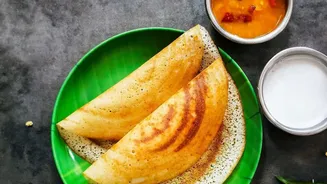
Instagram reels, YouTube shorts, and food blogs have become powerful tools for culinary discovery. Visual platforms are perfectly suited to showcase the vibrant colours and unique preparations of Tamil food. When a food influencer posts a video exploring a small, family-run mess in Karaikudi or documents the making of Madurai's famous 'kari dosai', it sparks curiosity on a national scale. These digital 'tastemakers' have done for regional food what traditional media never could: make it look accessible, exciting, and aspirational for a younger audience, turning hyper-local dishes into trending topics.
Chefs as Cultural Ambassadors
A new wave of chefs is championing the cause of regional Indian food, acting as both historians and innovators. Chefs like Vijay Kumar of the Michelin-starred Semma in New York and Gokul Kumar Mohit of the Tamil Quarter project are earning global and national acclaim by focusing on the food of their heritage. They are meticulously researching and reviving forgotten recipes, documenting ingredients, and presenting Tamil cuisine in a way that honours its roots while feeling contemporary. By hosting pop-ups in major cities and sharing the stories behind the dishes, they are educating a new generation of diners and inspiring pride in regional culinary traditions.
A Craving for Authenticity and Wellness
There's a growing movement towards food that feels real and rooted. Many traditional Tamil cooking methods, which historically used locally sourced ingredients, balanced spice blends, and techniques like steaming and stewing, align perfectly with modern wellness trends. The emphasis on lentils, vegetables, and freshly ground spices resonates with a generation that is increasingly health-conscious and interested in gut health and ancient grains. This is not about chasing fads, but about rediscovering the inherent wisdom in traditional diets—a return to food that is both flavourful and nourishing, something regional Tamil cuisine offers in abundance.