



A Departure from the Dusty Trail
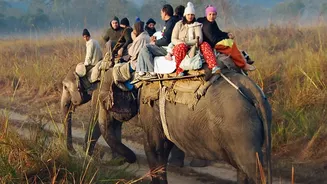
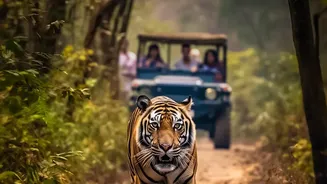
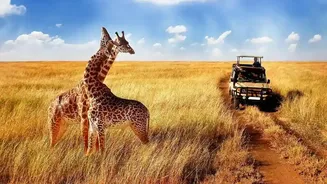
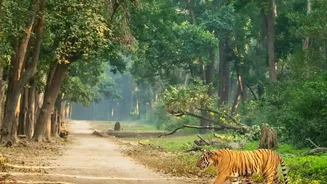
The quintessential Indian safari experience is often synonymous with the rumble of a jeep and the dust of a forest trail. It is a thrilling way to cover ground, but Satpura National Park, a lesser-known gem in Madhya Pradesh, champions a different pace.
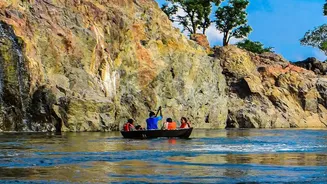
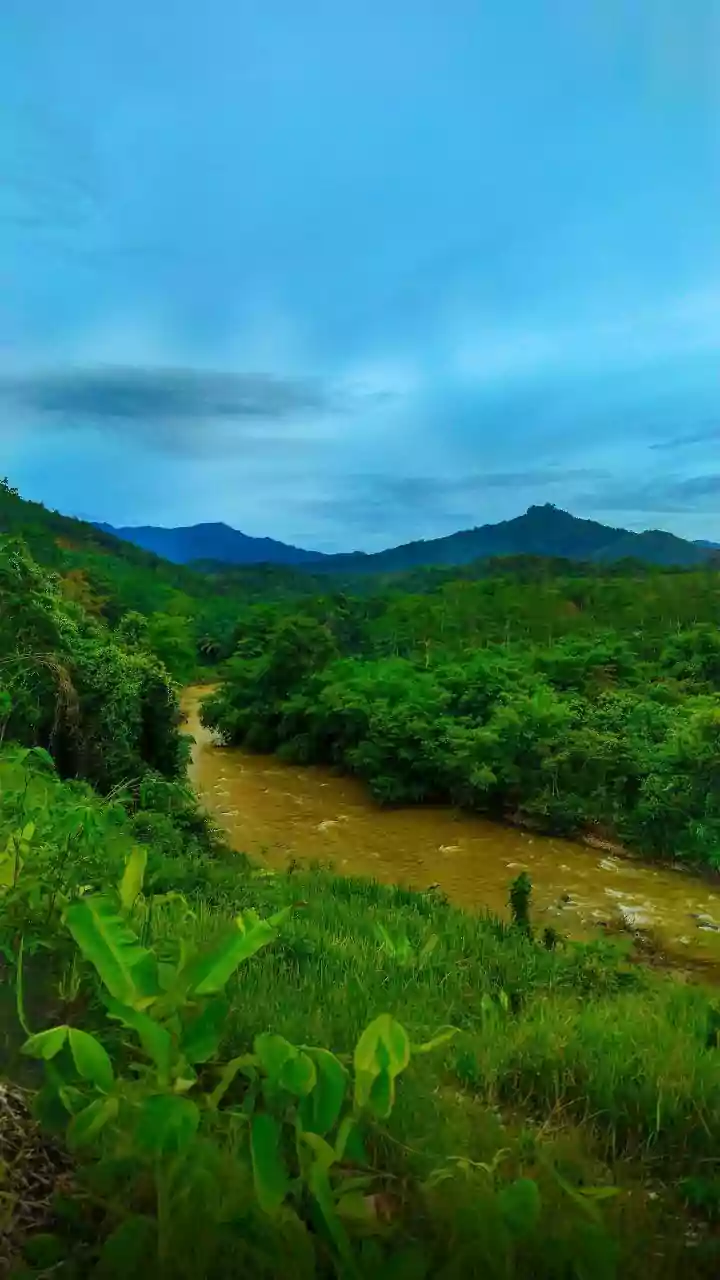
Here, the end of the monsoon and the park's reopening from October brings with it the revival of its unique boat and canoe safaris. This offers a fundamentally different way to commune with nature. Instead of navigating bumpy tracks, you glide silently on the expansive backwaters of the Denwa River and Tawa Reservoir. The engine's low hum, or the complete silence of a canoe, replaces the roar of a diesel motor, creating an atmosphere of tranquility that allows for a deeper immersion into the wilderness.
Wildlife from a Water-Level View
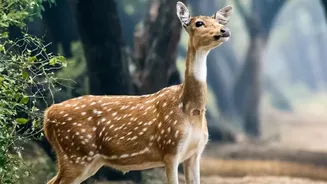
The perspective from the water is transformative. Animals behave differently when approached by a silent vessel on a river they consider a life source. Rather than fleeting glimpses of animals retreating from a noisy vehicle, you are more likely to witness tranquil, natural behaviours. Herds of spotted deer and sambar quenching their thirst, mighty gaur (Indian bison) grazing on the banks, and the park’s famously high population of sloth bears are often spotted near the water's edge. The boat safari is particularly rewarding for spotting marsh crocodiles basking on sandbanks and for observing birdlife. The post-monsoon season is a haven for avian enthusiasts, with migratory waders, plovers, and storks flocking to the riverbanks, creating a vibrant spectacle against the freshly greened landscape.
Accessing the Inaccessible
A boat safari isn’t just a different way to see the same things; it opens up entirely new areas of the park that are inaccessible to jeeps. The vast Tawa reservoir, formed by a dam on the Tawa River, creates a network of creeks, hidden bays, and temporary islands that become wildlife hotspots. A boat is often the only way to reach the Madhai gate, the primary entrance to the core zone, making the journey part of the adventure itself. This water-based exploration allows you to witness the dramatic, hilly landscape of the Satpura range from a unique vantage point, seeing the forest canopy sweep down to meet the water. This provides a sense of scale and wildness that is hard to grasp from inside the forest.
The Serene Soundscape of Satpura
One of the most profound differences is the sound. On a jeep safari, the engine noise often masks the subtle symphony of the forest. On a boat, the world changes. You can hear the alarm call of a deer echoing across the water, the splash of a kingfisher diving for its meal, or the rustle of an unseen creature in the reeds along the bank. This auditory experience is a key part of what makes the Satpura boat safari so special. It fosters a sense of patience and observation, encouraging you to engage all your senses. This quiet mode of travel is less intrusive, making it more likely for shy creatures to reveal themselves and providing a more authentic and respectful wildlife encounter.
Autumn's Lush and Bountiful Return
Visiting in autumn, right after the park reopens in October, adds another layer of magic. The monsoon rains will have washed the dust from the landscape, leaving behind a vibrant, emerald-green forest. The air is crisp and clear, and the water levels in the Denwa and Tawa are high, allowing boats to explore deeper into the backwaters. Animals are active after the lean monsoon months, and the combination of lush scenery and plentiful wildlife makes it an ideal time for photographers and nature lovers. While Satpura is also famous for its walking safaris, the boat journey provides a complementary and equally compelling reason to visit, especially for those who have already experienced India’s more conventional tiger-centric parks.