






The Problem with Quick and Artificial
For years, the go-to method for a quick, flavourful cold beverage has been a pump of brightly coloured synthetic syrup. It’s consistent, cheap, and convenient for busy cafes. However, this convenience comes at a cost. These syrups are often laden with
high-fructose corn syrup, artificial flavours, synthetic dyes, and preservatives. The result is a drink that can be overly sweet, masking the actual taste of the tea, and offering little to no nutritional value. As consumers become more health-conscious and discerning, they are increasingly turning away from these artificial concoctions, seeking beverages that offer both authentic flavour and wellness benefits.
The Art of the Slow Steep
Enter the world of cold brewing, or slow steeping. Unlike traditional methods that use hot water to rapidly extract flavour, cold brewing involves steeping tea leaves in cold or room-temperature water for an extended period—anywhere from six to twelve hours. This gentle, patient process fundamentally changes the chemical extraction. It draws out the smoother, sweeter notes of the tea while leaving behind many of the tannins that can cause bitterness. The resulting brew is remarkably smooth, naturally sweeter, and requires little to no added sugar. This method not only elevates the taste but also preserves more antioxidants, offering a healthier, more hydrating beverage perfect for any time of day.
Celebrating India's Botanical Heritage
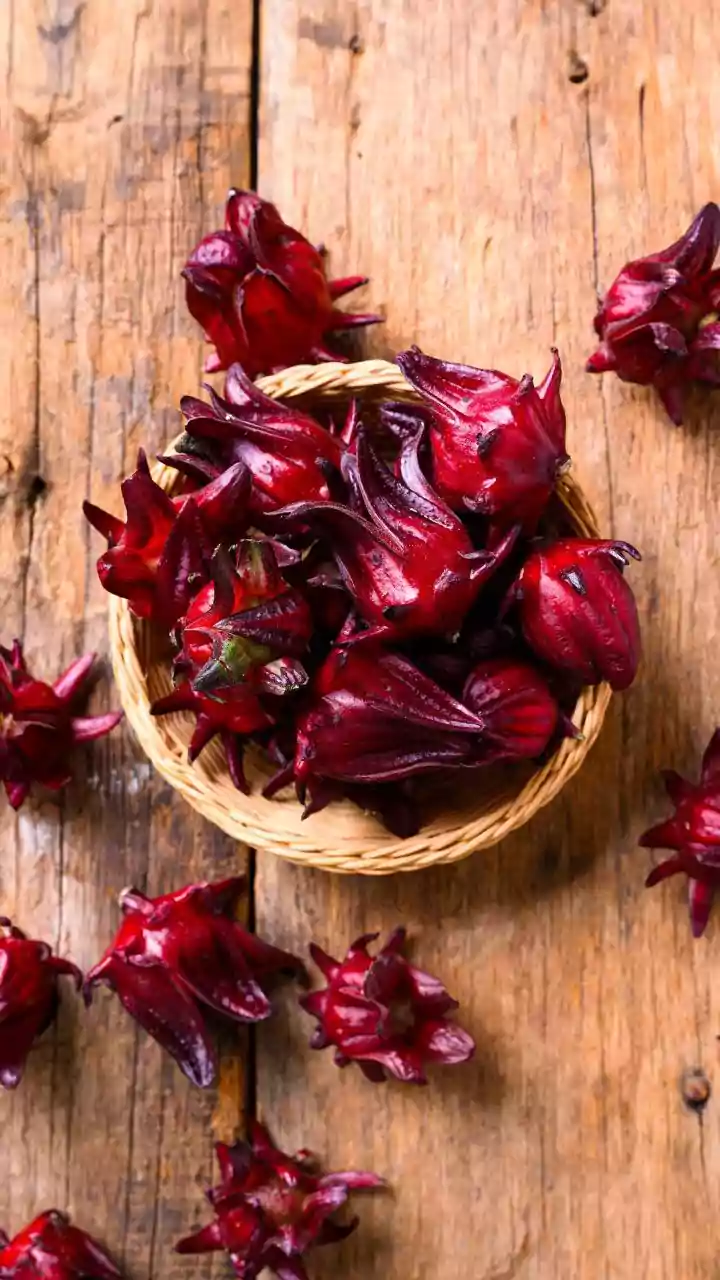
The most exciting part of this trend is the rediscovery of India's rich botanical pantry. Instead of generic lemon or peach flavours, mixologists and brands are turning to indigenous flowers, herbs, and fruits that have been used in Ayurvedic and home remedies for centuries. Vibrant ingredients like hibiscus (gudhal), with its tart, cranberry-like notes, and the magical, colour-changing blue pea flower (aparajita) are taking centre stage. Aparajita, revered in Ayurveda for promoting vitality and relieving stress, lends a beautiful indigo hue and an earthy flavour to teas. Other traditional botanicals like tulsi (holy basil), paan (betel leaf), and regional specialties like Kashmiri kahwa blends with saffron and spices are also finding their way into these modern cold brews, offering a complex tapestry of flavours.
A Sip of Modern Ayurveda
This movement is more than just a culinary trend; it's a revival of traditional wisdom in a contemporary format. Many of these botanicals are celebrated in Ayurveda for their functional properties. Tulsi is a well-known adaptogen that helps the body manage stress and boosts immunity. Aparajita is traditionally used to enhance memory and is packed with antioxidants. Hibiscus is known for its cooling properties and benefits to heart health. By incorporating these ingredients into delicious, accessible cold teas, a new generation is connecting with the principles of Ayurvedic wellness—not as a strict regimen, but as an enjoyable part of their daily lives. It’s a seamless blend of heritage and modern lifestyle.
Beyond the Glass: A Healthier Choice
Opting for a slow-steeped botanical tea over a syrup-based drink is a clear win for personal health. You consume fewer calories, avoid refined sugars, and steer clear of artificial additives. These natural infusions are rich in antioxidants, which help combat inflammation and oxidative stress. For example, the anthocyanins that give blue pea flower its vivid colour are powerful antioxidants. Furthermore, these drinks are wonderfully hydrating and refreshing without the sugar crash associated with sodas and synthetic beverages. This shift represents a move towards mindful consumption, where flavour, wellness, and authenticity are valued over artificial convenience. Customers are increasingly looking for clean labels and trustworthy ingredients, a demand that these natural brews perfectly meet.