

What is Tempering and Why Does It Matter?
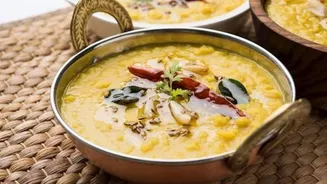
Tempering, known as tadka, chaunk, or vaghar in various parts of India, is a foundational cooking technique. It involves briefly frying whole or ground spices in hot fat (like ghee or oil) to release their essential oils and aromatic compounds. This process
isn't just about flavour; it is a controlled chemical reaction designed to extract and transform the beneficial molecules within the spices. Many of the key bioactive compounds in spices, including antioxidants responsible for their health effects, are fat-soluble, meaning they dissolve in oil far better than in water. When you add spices directly to a water-based curry or dal, many of their potent properties can remain locked inside the plant material. Tempering unlocks them, allowing the fat to act as a carrier, distributing both flavour and nutrition throughout the dish.
The Science of Antioxidant Delivery
Spices like turmeric, cumin, mustard seeds, and cloves are packed with antioxidants such as flavonoids and polyphenols. These compounds help protect our bodies from oxidative stress. The headline claim hinges on bioavailability — how well your body can absorb and use these nutrients. The process of tempering is crucial here. Heat ruptures the spice's cell walls, while the hot fat acts as a solvent, pulling out fat-soluble compounds like curcumin from turmeric and cuminaldehyde from cumin. Once dissolved in the oil, these antioxidants are more easily absorbed by your digestive system. Studies show that while very high heat can degrade some nutrients, moderate heat used in tempering can actually make beneficial compounds more accessible. For instance, even after cooking, the antioxidant properties of curcumin in turmeric are retained, and its effects are enhanced.
How to Temper Spices Correctly
Perfecting your tadka is about timing and temperature. Get it right, and you create a fragrant, nutty aroma; get it wrong, and you're left with a bitter, burnt taste that can ruin a dish.1. Heat the fat: Start by heating your oil or ghee in a small pan over medium heat. The oil should be hot enough to make the spices sizzle on contact, but not so hot that it's smoking. A good test is to drop in a single cumin or mustard seed; if it sizzles right away, the temperature is perfect.2. Follow the right order: Different spices cook at different rates. Add whole spices that take longer to cook, like mustard seeds, cumin seeds, and fenugreek seeds, first. Wait for the mustard seeds to pop and crackle before moving on.3. Add quicker-cooking ingredients: Next, add ingredients like dried red chillies, asafoetida (hing), and curry leaves. These are more delicate.4. Finish with ground spices: Ground spices like turmeric, red chilli powder, or coriander powder burn almost instantly. It is best to add them last, often after turning the heat off completely. The residual heat of the oil is enough to bloom them without burning.
Common Mistakes to Avoid
The most common mistakes in tempering stem from incorrect heat management and timing.- Overheating the oil: If your oil is smoking, it's too hot. Your spices will scorch immediately, creating a bitter flavour. If this happens, it's best to discard the tadka and start over.- Not heating the oil enough: If the oil isn't hot enough, the spices won't crackle or release their volatile oils. They'll just soak up the fat and taste raw.- Incorrect sequencing: Adding delicate ground spices at the beginning with the whole seeds will cause them to burn before the whole spices have had a chance to cook.- Not having ingredients ready: Tempering is a fast process, often lasting less than a minute. Have all your spices measured and ready to go before you even turn on the heat.