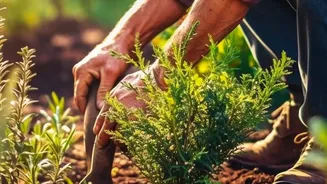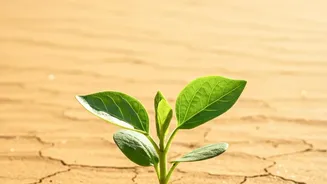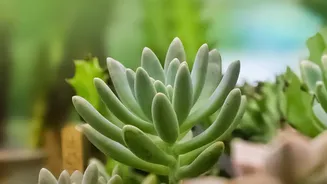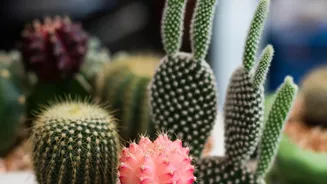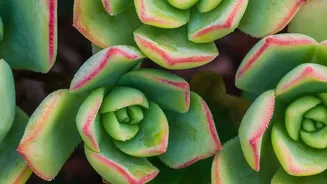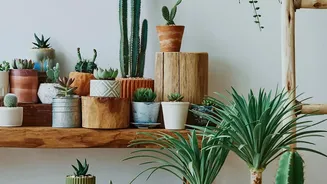




Desert plants like cacti and succulents are popular for their unique beauty and supposed low-maintenance needs. Yet, many plant owners find them surprisingly easy to kill, leading to wasted money and disappointment. The secret isn't neglect, but care.
The Number One Mistake: Overwatering
The single most common cause of death for desert plants is not a lack of water, but too much of it. These plants have evolved to survive in arid environments where rainfall is infrequent but heavy. Their roots are not designed to sit in constantly moist soil. When soil stays wet, it cuts off oxygen to the roots, leading to a condition called root rot. By the time you notice mushy stems or yellowing leaves, the damage below the surface is often severe. Understanding this is the first step to saving money and saving your plants.
The 'Soak and Dry' Philosophy
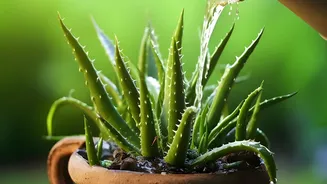
The best way to water desert plants is to mimic their natural habitat with the 'soak and dry' method. This means watering deeply and thoroughly, but very infrequently. When you do water, saturate the entire pot until water runs freely from the drainage holes. This encourages deep root growth. Then, and this is the crucial part, you must allow the soil to dry out completely before watering again. A fixed schedule like 'once a week' is a recipe for disaster; instead, check the soil. If the top few inches are bone dry, it's time to water. If there's any moisture at all, wait.
How to Read the Signs
Your plant will tell you what it needs. Overwatered succulents often have leaves that are soft, mushy, translucent, or yellowing, and they may drop with the slightest touch. The stem might also feel soft or turn black at the base. An underwatered plant, by contrast, will have leaves that look wrinkled, shriveled, or deflated. The plant is using up its internal water stores and is telling you it's ready for a drink. Learning to distinguish between a thirsty plant and a drowning one is the key skill for any succulent owner.
Soil and Pots Are Crucial
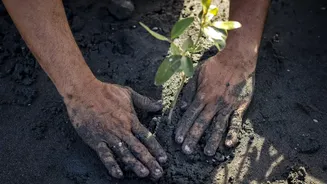
Even with perfect watering technique, you can fail if your soil and pot are wrong. Standard potting mix is designed to retain moisture and will kill a desert plant. You need a special cactus or succulent mix that is gritty and fast-draining. Many experts recommend making your own by mixing potting soil with mineral components like coarse sand, pumice, or perlite to improve drainage and airflow. A pot with a drainage hole is non-negotiable. Without it, excess water has nowhere to go, guaranteeing that the roots will sit in water and rot.
Adjusting for the Seasons
A plant's water needs are not static throughout the year. Most succulents and cacti have active growing seasons in the spring and summer, and a dormant period in the fall and winter. During active growth, they will use water more quickly and need to be watered more frequently—perhaps every two to four weeks, depending on conditions. During their winter dormancy, their growth slows dramatically and their water needs plummet. Watering more than once a month in winter can be risky. Always water less in cooler, darker months to prevent rot.