


The Dream Versus The Reality
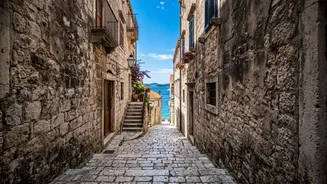
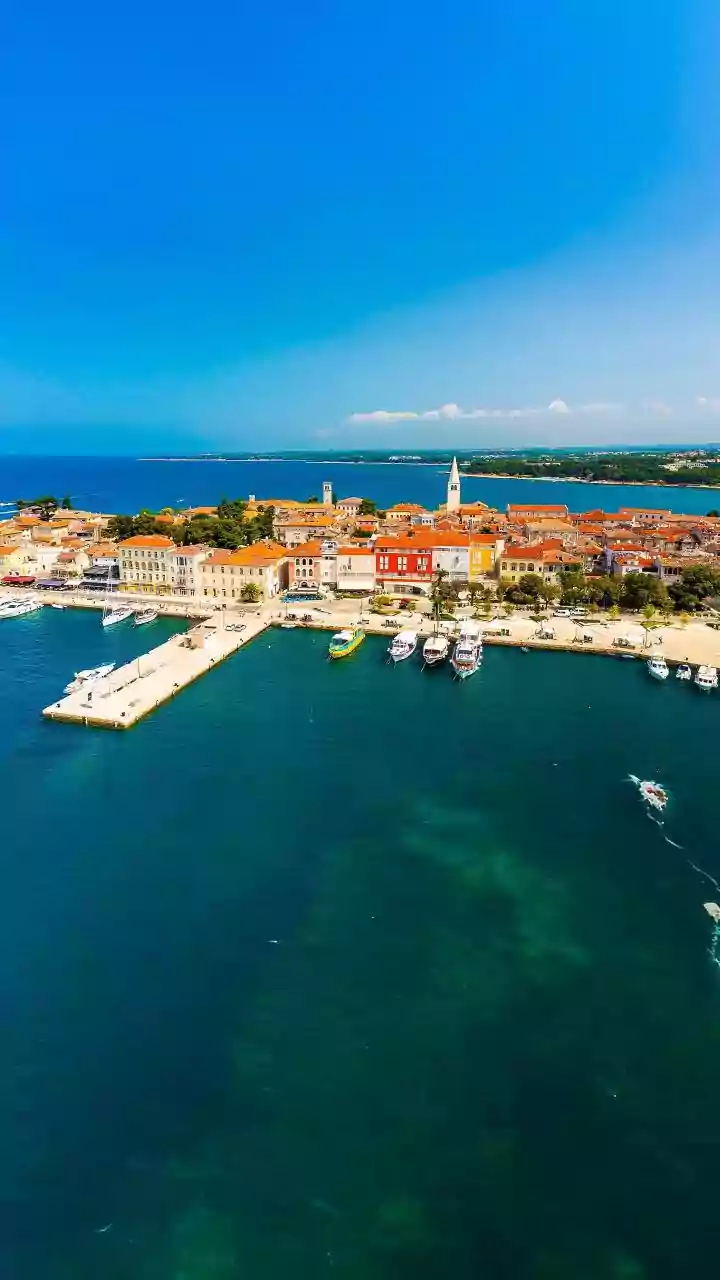
You’ve seen the pictures: limestone streets polished by centuries of footsteps, terracotta roofs glowing under the Adriatic sun, and impossibly clear water. This is the Croatia that draws millions. The reality, especially in hotspots like Dubrovnik and Split,
can be jarringly different. When multiple cruise ships dock, they disgorge thousands of passengers at once into medieval city centres never designed for such volumes. The main thoroughfares become a slow, shuffling procession, turning a leisurely exploration into a stressful ordeal. Residents and land-based tourists alike report that the sheer crowdedness detracts from the destination's charm, making it hard to appreciate the beauty that brought everyone there in the first place.
Ground Zero: Dubrovnik's Ancient Walls
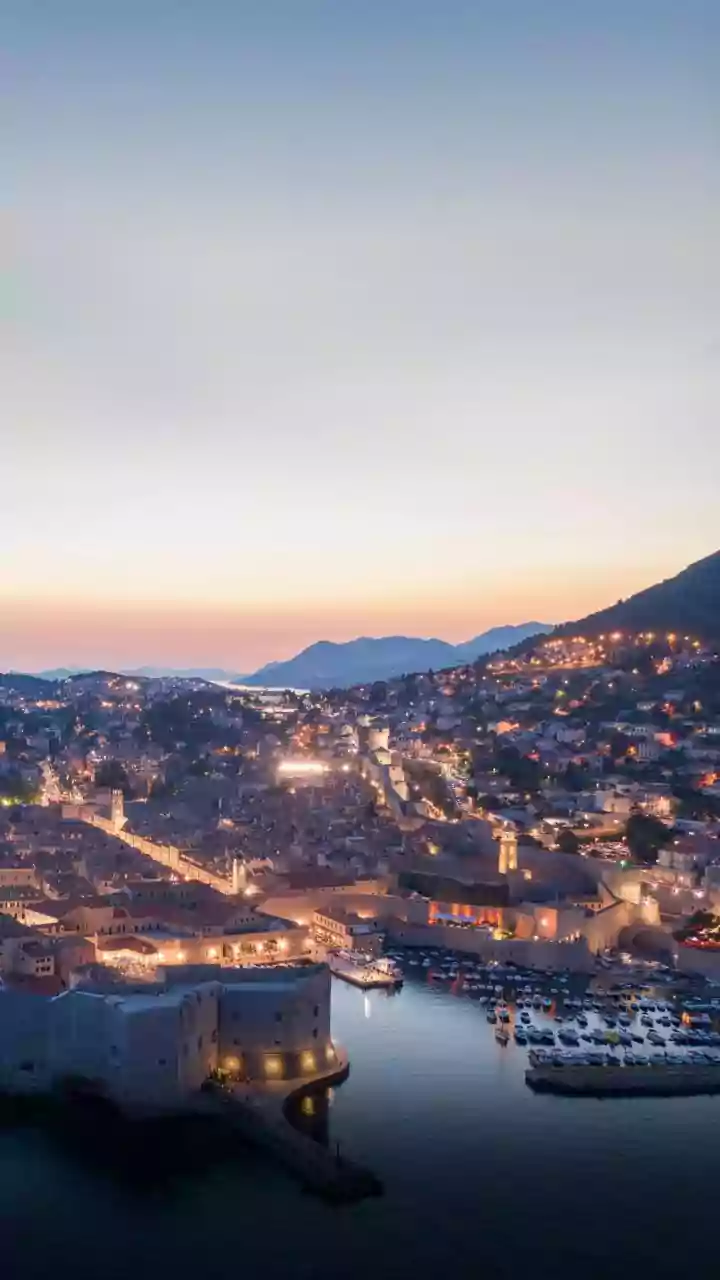
Dubrovnik, with a local population of just over 41,000, has become the epicentre of this debate. The city’s famous Old Town, a UNESCO World Heritage site, is a labyrinth of narrow alleys. When thousands of cruise passengers arrive for a few short hours, the city's main entrance at Pile Gate and its central street, the Stradun, become choked. The phenomenon, amplified by the city's starring role in 'Game of Thrones', has pushed officials to act. Mayor Mato Franković has implemented a 'Respect the City' program, limiting cruise ships to two per day with a maximum of 4,000 passengers at any one time. For visitors, this means staggered arrivals and an online booking system for the city walls, all in an effort to manage the flow and preserve the experience.
The Cruise Ship Conundrum
Cruise tourism presents a unique challenge. While it brings a high volume of visitors, the economic benefit is often questioned. Passengers typically spend only a few hours on land and may have meals included on the ship, leading to lower per-person spending compared to tourists who stay overnight. One study noted that cruise passengers in Croatian ports spent between €34 and €82, and very few returned for land-based holidays. This model creates what some call 'flash tourism': intense crowding for a few hours with limited economic injection, while straining infrastructure and diminishing the quality of life for residents who see local bakeries and butchers replaced by souvenir shops.
So, Is It 'Overrated'?
Calling a place like Dubrovnik 'overrated' feels harsh, but the headline touches on a real frustration. The issue isn't the inherent quality of these historic places; it's that the current model of mass tourism can make them feel that way. The magic is still there, but it's buried under the crowd. The best way to experience these cities is to work around the rush. Stay overnight, and you'll find the ancient streets blissfully quiet in the early mornings and late evenings after the day-trippers and cruise passengers have departed. Exploring side alleys instead of the main drag or visiting during the shoulder seasons of spring and autumn can also reveal the authentic charm that first made them famous.
Discovering the Alternatives
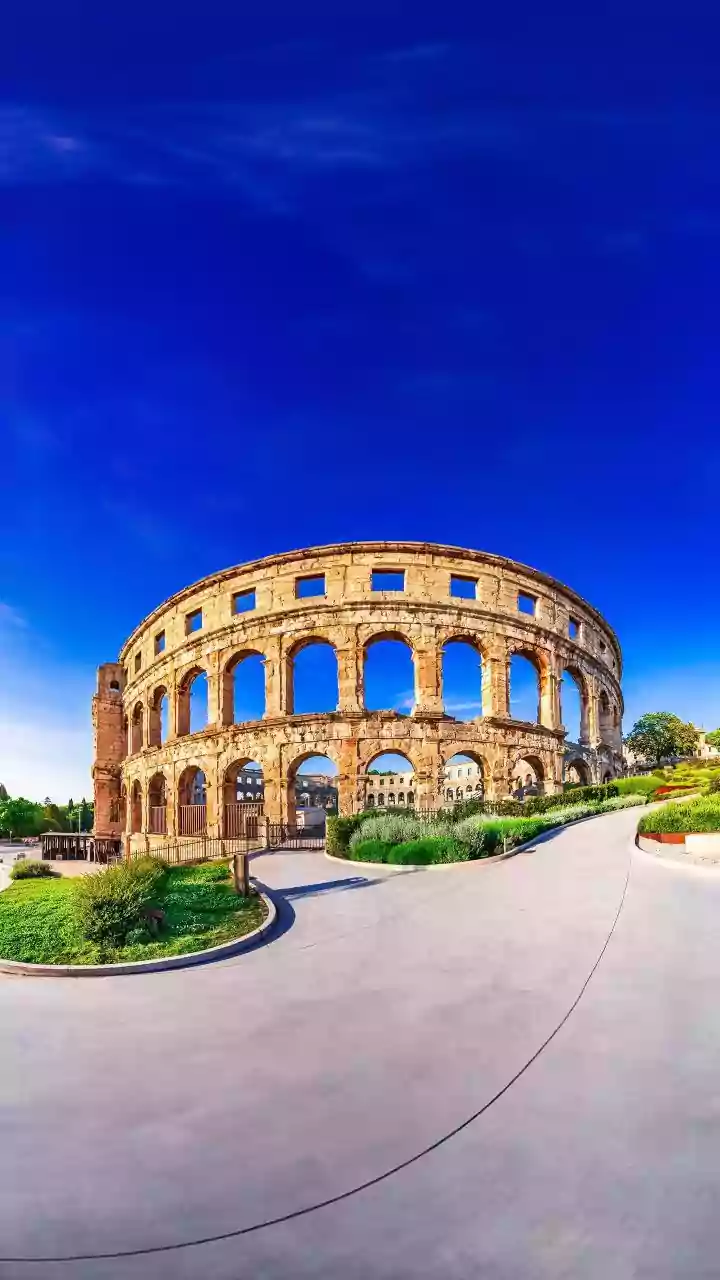
The good news is that Croatia is far more than its two most famous cities. For every crowded hotspot, there's a stunning, tranquil alternative. Instead of Dubrovnik, consider the elegant town of Opatija or the charming coastal city of Šibenik, which boasts two UNESCO sites of its own. If you love the island life of Hvar, try the more remote and peaceful island of Vis, which was closed to foreigners until 1989 and retains an undeveloped authenticity. The heart-shaped peninsula of Istria in the north offers bucolic inland towns like Motovun and a coastline dotted with ancient Roman sites in cities like Pula, providing a different but equally captivating Croatian experience with a fraction of the crowds.