

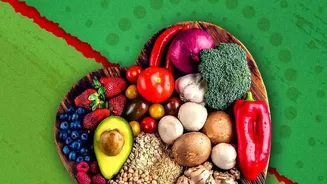
What Are Ultra-Processed Foods, Really?
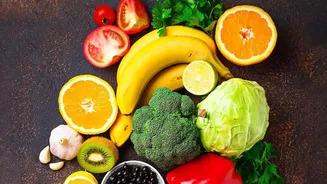
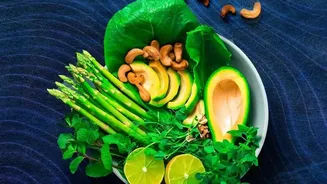
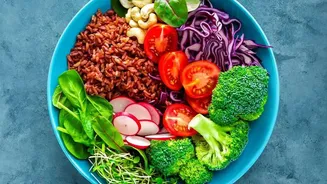
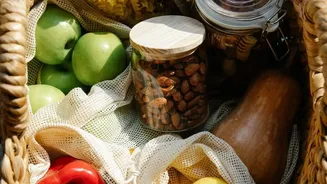
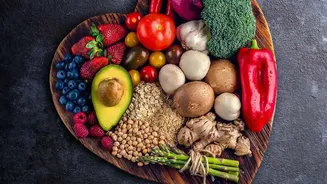
Not all processed food is bad. Think of a spectrum: on one end, you have unprocessed foods like fresh fruit and vegetables. In the middle are processed foods like canned beans or cheese, which are altered to extend their shelf life but are still recognizable.
Ultra-processed foods (UPFs), however, are in a different league. According to the widely used NOVA classification system, UPFs are industrial formulations made from substances extracted from foods, along with additives. These aren't things you'd find in a home kitchen—think high-fructose corn syrup, hydrogenated oils, protein isolates, and a long list of emulsifiers, artificial colours, and flavour enhancers. Common examples include sugary breakfast cereals, mass-produced packaged breads, instant noodles, frozen pizzas, and fizzy drinks.
The Alarming New Evidence
The concern around UPFs isn't just hype. A wave of recent, large-scale research has solidified the links between high UPF consumption and serious health problems. A major report from the European Society of Cardiology found that people who eat the most UPFs have a significantly higher risk of cardiovascular disease and death. Another study found that a high intake of UPFs was associated with a 47% higher risk of heart attack or stroke. The evidence points beyond just heart health. Studies have linked these foods to an increased risk for type 2 diabetes, anxiety, and even some cancers. New research presented in August 2026 even highlighted that a staggering 81% of foods marketed to toddlers are ultra-processed, potentially setting up unhealthy eating habits from a very young age.
Why Are They So Harmful?
The problem isn't just about high sugar or fat content. Research from June 2026 suggests that the industrial processing itself plays a role, independent of the nutrients. These foods are designed to be hyper-palatable, meaning their intense combination of salt, sugar, and fat can override your body's natural fullness signals, leading to overeating. Furthermore, the processing often strips out essential nutrients like fibre, vitamins, and minerals. The additives used to improve texture and shelf-life, such as emulsifiers, may also negatively impact gut health. When your diet is dominated by UPFs, you are also displacing whole foods—like fruits, vegetables, and whole grains—that provide the vital nutrients your body needs to thrive.
Your Smart Shopper's Guide
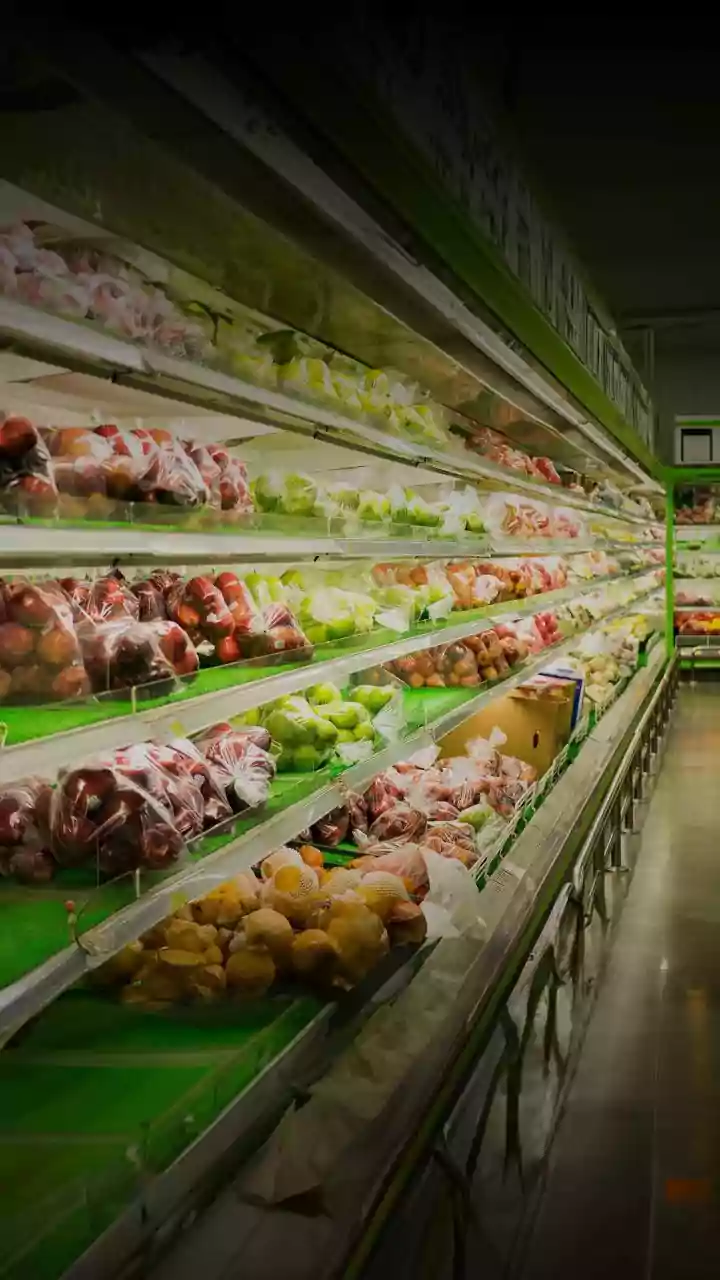
Navigating the grocery store can feel overwhelming, but a few simple rules can help you drastically reduce your UPF intake. The first and most powerful tip is to read the ingredient list. If it's long and full of names you can't pronounce, it's likely a UPF. A good rule of thumb is to look for products with short ingredient lists, ideally five items or fewer. Try to spend more of your shopping time on the perimeter of the store, where fresh produce, meats, and dairy are typically located. Be cautious of products with bold health claims on the front of the package; often, these are marketing tactics for highly processed items. The goal is not perfection but progress. Making gradual changes is the key to building sustainable habits.
Simple Swaps for Common UPFs
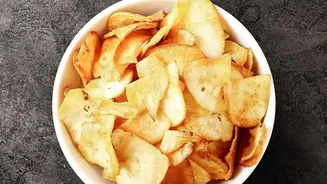
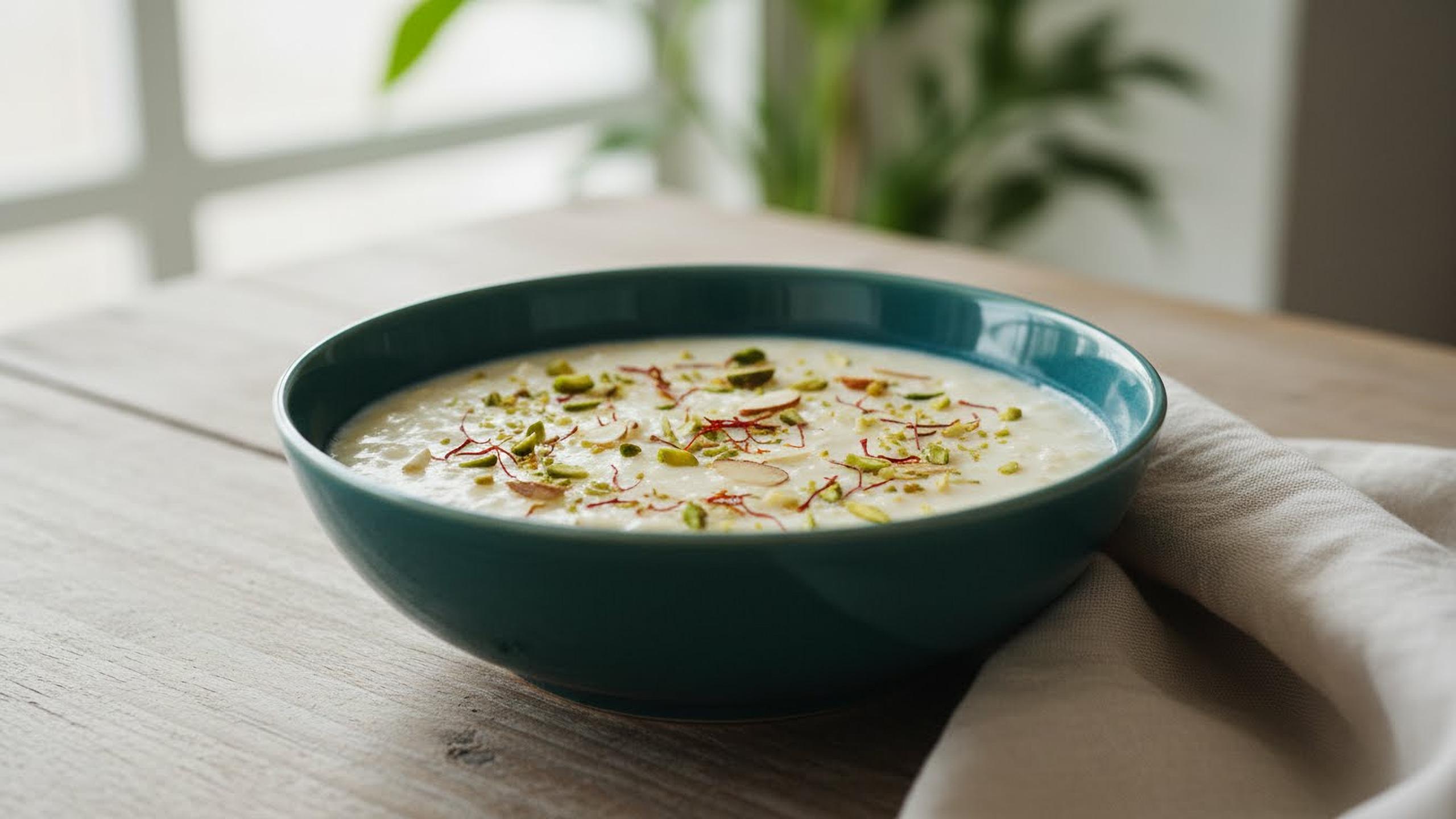
Reducing UPFs doesn't mean you have to cook everything from scratch. It’s about making smarter swaps. Instead of a sugary breakfast cereal, try oatmeal or plain yogurt topped with fresh fruit and nuts. Swap packaged cookies and chips for a piece of fruit, a handful of nuts, or homemade popcorn. Instead of buying bottled salad dressing, which is often full of sugar and preservatives, whisk together olive oil, lemon juice, and a pinch of salt and pepper. Replace fizzy drinks and sweetened juices with sparkling water infused with fruit. Instead of processed deli meats for sandwiches, use leftover roasted chicken or make a quick chickpea salad. These small upgrades can significantly improve the nutritional quality of your diet without feeling like a major sacrifice.