





An Explosion of Choice
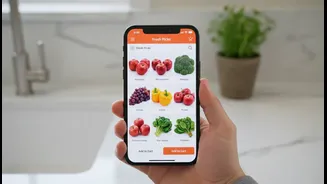
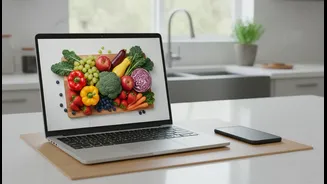
Not long ago, grocery shopping was limited to the neighbourhood kirana store or the weekly sabzi mandi. Today, a connected household has a virtual supermarket at its fingertips. E-commerce and quick-commerce platforms have shattered geographical boundaries,
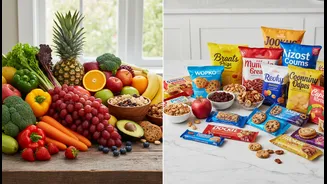
offering a range of products that were previously unimaginable for many. This digital shift means a family in a Tier-2 city can now easily order organic produce, specialty flours, or gourmet items that were once exclusive to metros. Online grocery sales have grown significantly, driven by the convenience of accessing everything from daily staples to specialty items on a single platform. This expansion gives consumers unprecedented choice, moving beyond the limitations of a physical store's shelf space and introducing new brands and products directly into homes across the country.
The Rise of the Informed Eater
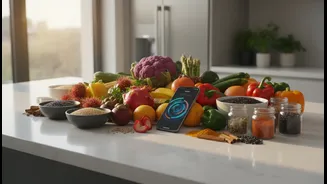
The internet is not just a marketplace; it's an infinite library of information. With a few taps, anyone can access nutritional data, compare products, and learn about healthy eating. Social media platforms like Instagram and YouTube have become virtual classrooms where food bloggers and health influencers share recipes and dietary advice. This has sparked curiosity and driven trends, from the revival of traditional millets to the adoption of global health foods like chia seeds and quinoa. Studies show that social media content significantly influences food choices, encouraging many to include new, often healthier, items in their diet. While this can sometimes lead to the spread of misinformation or fad diets, it also empowers a generation of consumers to make more conscious decisions about their health and wellness.
Convenience Reshaping Kitchen Habits
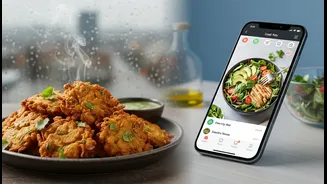
Increasing urbanisation and busier lifestyles have made convenience a top priority for many Indian households. Online food delivery and quick-commerce apps, which promise delivery in minutes, have transformed mealtime from a planned chore into an on-demand service. This is particularly true for working professionals and nuclear families who may have less time for traditional meal preparation. The online food delivery market in India is expanding rapidly, reflecting a fundamental shift from viewing delivery as a weekend treat to an everyday convenience. This has also given rise to cloud kitchens, which operate purely for delivery and further broaden the variety of cuisines available to order at any time.
From Local Tastes to a National Palate
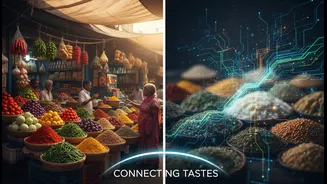
One of the most exciting outcomes of this digital connection is the cross-pollination of regional food cultures. Quick-commerce platforms are making it possible for local specialties to find a national audience. A family in Indore can now order authentic Murukku from Chennai, or someone in Jaipur can enjoy Thekua from Bihar, often with delivery in a few hours. This not only diversifies the consumer's plate but also provides a massive opportunity for small, regional producers to reach customers far beyond their local area. As e-commerce expands further into Tier-2 and Tier-3 cities, it is breaking down culinary silos and helping create a truly national palate where the rich diversity of India's food traditions can be shared and enjoyed by all.