

What Happened on August 26?
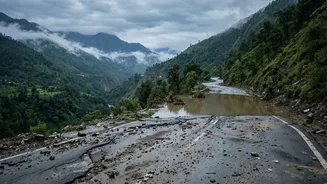
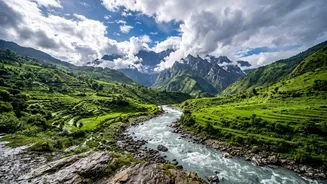
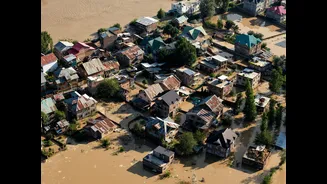
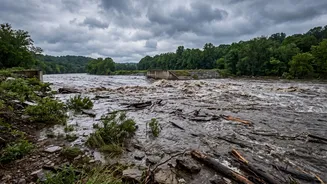
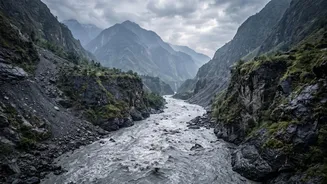
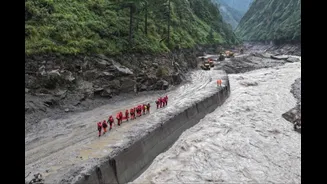
On the morning of August 26, 2026, a massive flash flood, believed to have been triggered by a glacial collapse in the Himalayas near the Tibet border, surged down the Bhote Koshi and Trishuli river systems. This was not a typical monsoon event. The resulting
wall of water and debris caused immense destruction in Nepal's Rasuwa, Nuwakot, and Dhading districts, sweeping away homes, bridges, roads, and hydropower facilities. The event has tragically resulted in hundreds of deaths and thousands missing, including tourists and locals. Authorities have warned that the situation remains volatile, with risks of further flooding and landslides as monsoon rains continue.
Know the Affected and Safe Zones
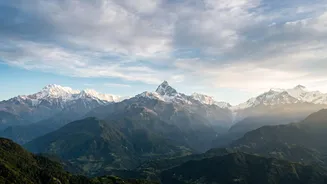
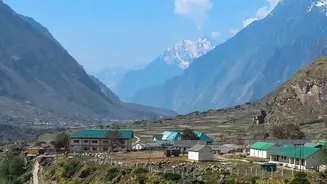
The primary impact zone is concentrated in north-central Nepal. Travel to the Rasuwa district, including the popular Langtang trekking region and the area around the Nepal-Tibet border at Rasuwagadhi, is not advised. Downstream areas along the Trishuli river corridor in Nuwakot, Dhading, Gorkha, and parts of Chitwan have also been significantly affected by flooding and infrastructure damage. Numerous key highways and roads, including sections of the Prithvi Highway and the Araniko Highway, have faced closures and severe damage, heavily disrupting ground transport. However, it is crucial to understand that much of Nepal remains unaffected. The Everest (Khumbu) and Annapurna trekking regions, Pokhara, and the Kathmandu Valley (including Patan and Bhaktapur) were not directly hit by this flood and remain operational for tourism. Kathmandu's Tribhuvan International Airport is open, though travellers should always confirm flights.
Rethink Your Itinerary and Activities
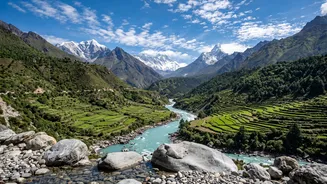
If you have a trip booked, the first step is to assess your itinerary. Any plans involving the Langtang Valley or travel along the Trishuli river corridor need to be cancelled or radically changed. While September is usually the start of the prime trekking season, this year demands extra caution. Safer alternatives include treks in rain-shadow areas, which receive less rainfall, such as Upper Mustang and Upper Dolpo. Treks in the Everest and Annapurna regions are also viable, though it is wise to build extra buffer days into your schedule for potential weather-related domestic flight delays, a common occurrence even in a normal monsoon season. Cultural tours within the Kathmandu Valley are largely unaffected. It’s a good time to explore the city’s heritage sites, which benefit from fewer crowds and cleaner air after the monsoon rains.
Crucial Questions for Your Travel Provider
Communication with your airline and tour operator is paramount. Do not assume your trip is proceeding as planned. Ask specific questions: How have they adjusted itineraries in light of the floods? What are their contingency plans if roads become impassable or domestic flights are cancelled? Enquire about the experience of their guides in navigating post-monsoon conditions. If you are considering cancelling, be aware that since government advisories have not explicitly forbidden all travel to Nepal, getting a refund is not guaranteed and depends on your provider's policy. Be proactive and flexible. This might mean rescheduling your trip or switching to a completely different, safer itinerary within Nepal.
Pack Smart and Insure Well
Packing for Nepal in September now requires an even greater focus on preparedness. High-quality waterproof gear for yourself and your backpack is non-negotiable. Sturdy, broken-in hiking boots are essential for slippery trails. With infrastructure damaged, power outages are likely, so a reliable power bank is a must. Also pack a personal medical kit, any prescription medications, insect repellent for lower altitudes, and water purification tablets. Most importantly, secure comprehensive travel insurance before you go. The U.S. State Department explicitly advises that travellers should have a policy that covers medical evacuation, as local medical facilities are limited and may be overwhelmed. Ensure your policy also covers trip cancellations or interruptions due to natural disasters. This is not the trip on which to cut corners with insurance.