

A Land of Ice and Colour
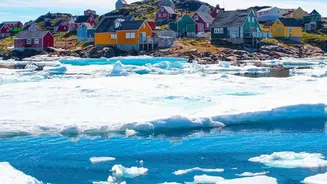
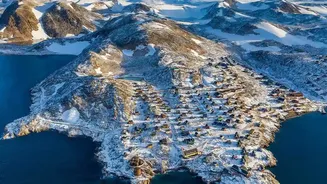
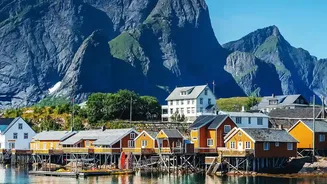
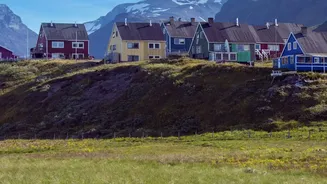
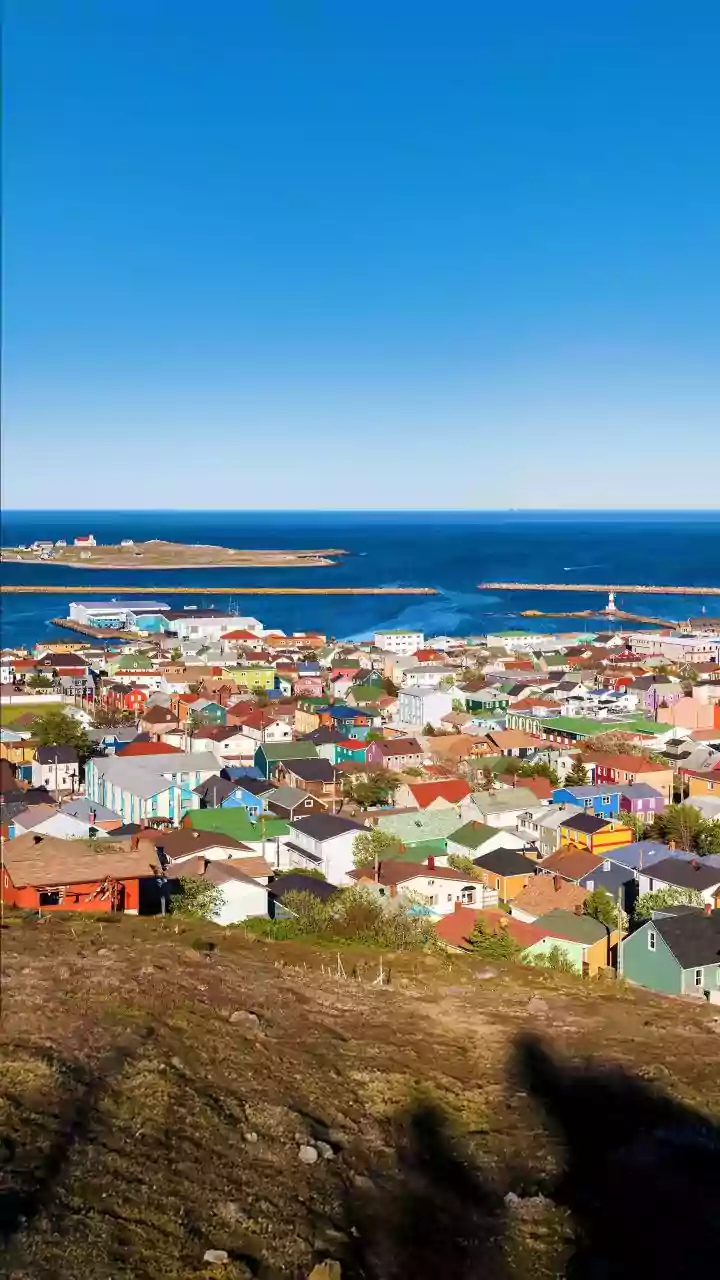
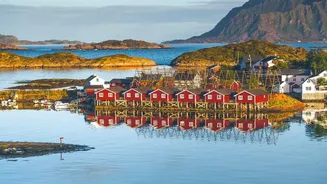
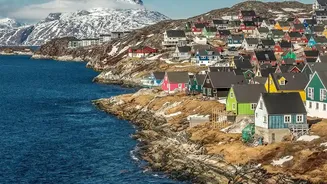
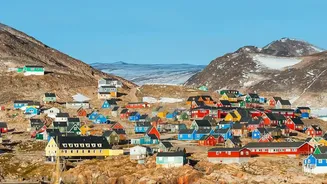
Along Greenland's west and east coasts, small communities are nestled in fjords and bays, their existence defined by the sea and the ice. Towns like Ilulissat, Uummannaq, and Tasiilaq are famous for their Lego-like houses painted in bold reds, blues,
and yellows. Historically, these colours had practical meanings, but today they create a stunning visual against the monochrome palette of the Arctic landscape. This vibrant architecture stands in defiance of the stark, wild beauty surrounding it, where the main thoroughfare is often the ocean itself, and the primary traffic consists of colossal icebergs. There are no roads connecting these settlements; life moves by boat, helicopter, or, in winter, by dog sled.
Ilulissat: Where Giants Are Born
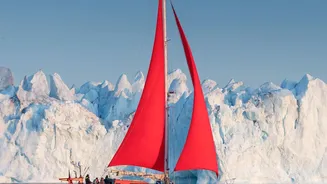
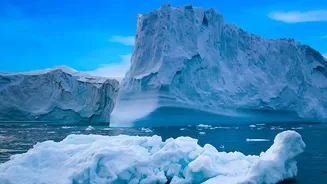
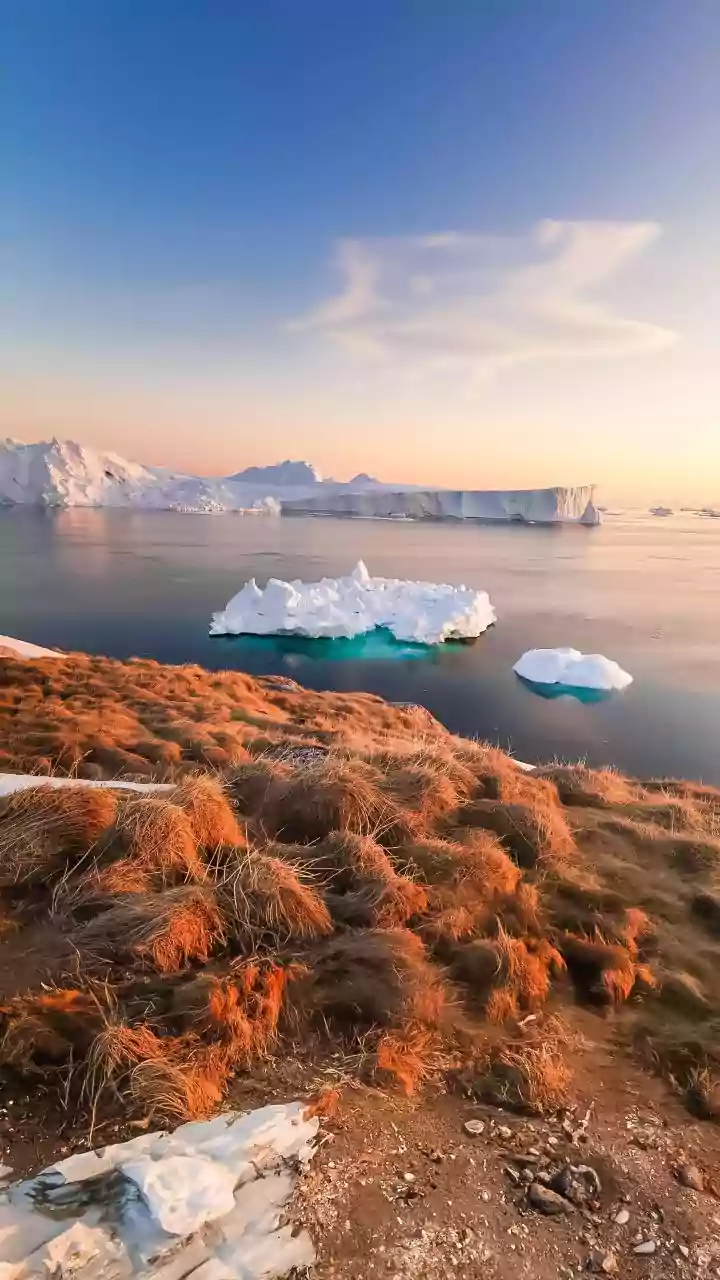
Ilulissat, whose name literally means 'icebergs', is arguably the epicentre of this phenomenon. The town sits at the mouth of the Ilulissat Icefjord, a UNESCO World Heritage Site that is choked with ice. These are no ordinary ice cubes; they are fragments of the Sermeq Kujalleq glacier, one of the fastest and most active glaciers in the world. It calves an estimated 46 cubic kilometres of ice into the sea each year. Some icebergs are so massive they get stuck on the seabed at the mouth of the fjord for months or even years, creating a constantly shifting, semi-permanent skyline of ice cathedrals. The air is filled with the sounds of this slow-motion spectacle: the groan of shifting ice, the crackle of melting, and the thunderous roar when a giant calves, sending waves across the bay.
Daily Life in the Shadow of Ice
For the residents of these towns, these immense icebergs are not just a tourist attraction but a part of everyday life. Life is lived in tune with nature's rhythms. Fishing is a primary industry, with hunters and fishermen navigating their boats through a maze of floating ice to find halibut and other seafood. In winter, when the sea freezes, dog sleds become a vital mode of transport for hunting and fishing on the ice. The Inuit culture, which has thrived here for thousands of years, is deeply connected to the environment. This relationship is one of respect and adaptation, where the presence of a house-sized iceberg in the harbour is as normal as a cloud in the sky. It is a quiet, peaceful life where community is strong and everything depends on the weather.
A Constantly Changing Canvas
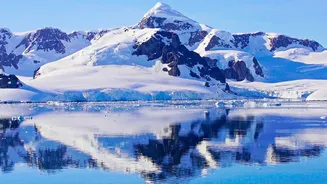
What makes the views in these villages so mesmerising is their transient nature. The scene is never the same twice. An iceberg that frames a church window one morning might drift out to sea by afternoon, replaced by another of a completely different shape and size. The light also plays a crucial role. Under the midnight sun of summer, the ice glows with impossible golden and pink hues. In the low light of winter, it takes on deep, ethereal blues. This ever-changing landscape creates a living art installation, a dynamic canvas shaped by ocean currents and wind. It’s a humbling reminder of nature’s power and its quiet, constant motion, turning every glance out the window into a unique moment.
Beyond the Harbour View
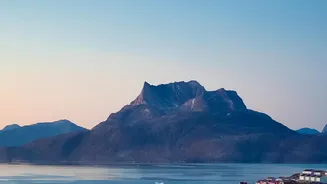
While simply gazing at the icebergs is an experience in itself, visitors can get closer to the spectacle. Boat tours navigate through the icy waters, offering a sense of scale that is impossible to grasp from the shore. In Ilulissat, hiking trails along the Icefjord provide breathtaking perspectives of the ice-choked waterway. In Uummannaq, a town set below a distinctive heart-shaped mountain, you can sail to see where ancient Inuit mummies were discovered or visit the home of Santa Claus, who receives letters from children around the world here. These activities offer a deeper connection to both the immense nature and the rich, resilient culture that defines life at the edge of the world.