

Day 1: Bhubaneswar, The City of Temples
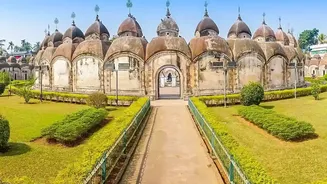
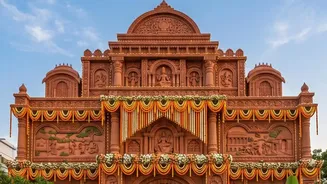
Your journey begins in Bhubaneswar, aptly called the 'Temple City of India'. The day is dedicated to exploring the Kalinga school of architecture, a style defined by its towering spires (rekha deula) and ornate halls (jagamohana). First, visit the Lingaraj
Temple, an 11th-century masterpiece dedicated to Lord Shiva that dominates the old town's skyline. While entry into the main sanctum is reserved for Hindus, a viewing platform offers a spectacular perspective for all visitors. Next, marvel at the Mukteshwar Temple, a 10th-century gem celebrated for its intricate carvings and an exquisitely decorated stone archway. Conclude the day at the Rajarani Temple, known for its beautiful sandstone and detailed sculptures of celestial figures, which stands unique as it houses no presiding deity.
Day 2: The Buddhist Diamond Triangle
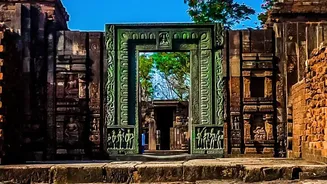
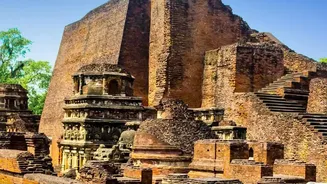
Travel from Bhubaneswar to the 'Diamond Triangle', a circuit of three significant Buddhist monastic sites: Ratnagiri, Udayagiri, and Lalitgiri. These sites flourished between the 5th and 13th centuries and belong to the Vajrayana sect of Buddhism. Start at Ratnagiri, where you can explore the grand monastery with its colossal Buddha heads and an ornately carved green stone doorway. Proceed to Udayagiri, the largest of the three, featuring a sprawling complex of stupas and monasteries nestled in the hills. Finally, visit Lalitgiri, considered the oldest Buddhist settlement in Odisha, dating back to the 1st century. Here, a museum displays caskets containing sacred bone relics believed to be of the Lord Buddha himself, discovered during excavation.
Day 3: Konark’s Sun Temple, A UNESCO Marvel
Today is dedicated to the magnificent Konark Sun Temple, a UNESCO World Heritage site since 1984. Built in the 13th century by King Narasimhadeva I, the temple is conceived as a colossal chariot for the Sun God, Surya. It features 24 intricately carved stone wheels, nearly 12 feet in diameter, representing the hours of the day, and was originally pulled by seven mighty horses symbolizing the days of the week. Though the main sanctuary, which once soared to over 200 feet, has collapsed, the remaining structures, including the audience hall (Jagamohana), are a testament to architectural genius. The temple's surfaces are covered in exquisite carvings depicting everything from mythological scenes to the daily life of the era. An evening light and sound show brings the temple's glorious history to life.
Day 4: Spiritual Puri and Artisan Villages
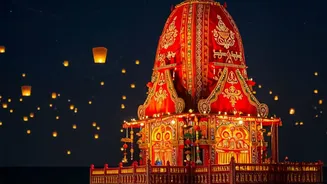
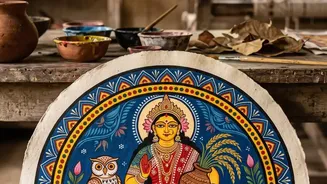
Journey to the coastal city of Puri, one of India's holiest pilgrimage sites and home to the famous Jagannath Temple. Entry to this sacred complex is traditionally restricted to Hindus, but its towering structure and the vibrant spiritual energy of the surrounding area can be experienced by all. Non-Hindus can get a good view from the rooftop of the nearby Raghunandan Library. Afterwards, travel to the nearby craft villages of Raghurajpur and Pipili. Raghurajpur is a heritage village where every home is an artist's studio, famous for Pattachitra, a traditional form of scroll painting on cloth. A short drive away is Pipili, a town renowned for its vibrant appliqué work, or 'Chandua'. Here, artisans stitch colourful fabrics into intricate designs for everything from temple chariots to home decor.
Day 5: Chilika Lake and Departure
On the final day, take an excursion to Chilika Lake, Asia’s largest brackish water lagoon and a designated Ramsar site. A boat trip offers a chance to spot the rare Irrawaddy dolphins and visit islands that are sanctuaries for migratory birds, especially during the winter months. The serene beauty of the lake and its unique ecosystem provide a peaceful conclusion to an immersive cultural journey. The area is also famous for its fresh seafood, particularly crab and fish, offering a final taste of local flavours. Following the excursion, you will proceed back to Bhubaneswar for your departure, filled with memories of Odisha's timeless heritage and artistic soul.