






The Great Breakfast Reawakening
Remember when 'intermittent fasting' became the biggest buzzword in wellness? Suddenly, skipping breakfast felt like a health hack. Combined with our increasingly hectic lives, the first meal of the day was either forgotten or replaced by a quick cup
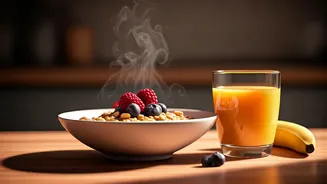
of coffee on the go. However, a significant shift is underway. More people are rediscovering the importance of a nourishing breakfast, driven by a deeper understanding of metabolic health, the normalisation of flexible work schedules, and a collective burnout from high-sugar, low-energy mornings. It’s not about returning to old habits; it’s about a smarter, more intentional approach to fueling our bodies.
Moving Beyond the Sugar Rush
For many of us, the traditional idea of breakfast is built on a foundation of refined carbohydrates and sugar. Think sugary cereals, white bread toast with jam, or even some seemingly healthy fruit juices that are packed with sugar. While these might provide a quick burst of energy, they often lead to a sharp blood sugar spike followed by an inevitable crash. This rollercoaster leaves you feeling tired, unfocused, and craving more sugary snacks by 11 a.m. The new focus on healthy breakfasts is about breaking this cycle and opting for meals that provide sustained energy, keeping you full and sharp until your next meal.
The New Breakfast Blueprint
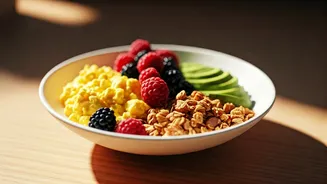
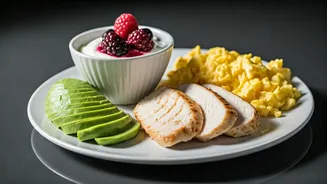
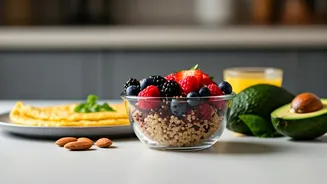
So, what does a modern healthy breakfast look like? The formula is surprisingly simple and revolves around three key components: protein, fibre, and healthy fats. Protein (from eggs, Greek yogurt, paneer, or legumes) is crucial for building and repairing tissues and provides a high level of satiety, meaning you stay fuller for longer. Fibre (from whole grains like oats, fruits, vegetables, and seeds) aids digestion and helps manage blood sugar levels. Healthy fats (from avocados, nuts, and seeds) support brain health and help your body absorb essential vitamins. A meal that balances these three elements is the gold standard for a powerful start to your day.
Reinventing Indian Classics
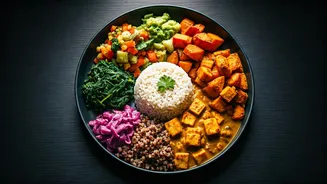
The good news is that you don’t need to look for exotic ingredients to build a great breakfast. Many classic Indian dishes are fantastic foundations, often needing just a few small tweaks. Instead of plain poha, add a handful of peanuts, peas, and sprouts to boost its protein and fibre content. When making upma, use minimal oil and pack it with finely chopped vegetables. A besan chilla (gram flour pancake) is an excellent source of protein; pair it with a side of yogurt instead of a sugary chutney. Even the beloved idli-sambar can be a perfectly balanced meal, as the lentils in the sambar provide a solid protein hit to complement the carbohydrates from the idli.
Smart Swaps for Busy Mornings
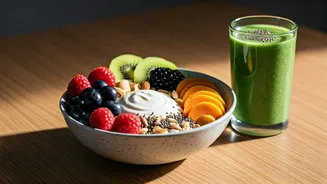
We get it—not every morning has time for a leisurely cooked meal. For those rush-hour days, having a few go-to options is key. A bowl of plain Greek yogurt or dahi topped with fresh fruit and a sprinkle of nuts and seeds takes seconds to assemble and ticks all the boxes. A simple smoothie made with yogurt or milk, a handful of spinach, a banana, and a spoonful of chia or flax seeds is a nutrient-dense meal you can drink on the go. Even a simple handful of almonds and a piece of fruit, or two boiled eggs prepped the night before, can be a far better choice than skipping the meal entirely or reaching for a biscuit packet.