








The Unplanned Vegetarian Plate
Switching to a vegetarian diet is often seen as an automatic upgrade in health, but that’s not always the case. For many busy professionals, vegetarianism can unintentionally become a diet high in refined carbohydrates and low in diverse nutrients. Think
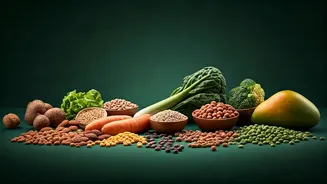
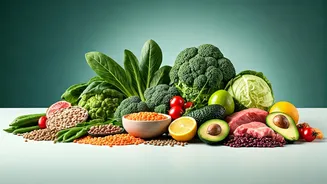
quick meals of dal, rice, and roti, or convenient but processed snacks. While filling, these meals can lack the complete nutritional profile needed to sustain high energy levels. A diet isn't 'healthy' just because it excludes meat; it depends on what you include. A plate dominated by simple carbs can lead to blood sugar spikes and subsequent crashes, leaving you feeling sluggish and drained. True dietary wealth in vegetarianism comes from variety—a mix of legumes, a rainbow of vegetables, whole grains, nuts, and seeds.
The Big Three Nutrient Gaps
Persistent fatigue can often be a red flag for specific micronutrient deficiencies that are more common in vegetarian diets. Vitamin B12, crucial for energy production and nerve function, is found almost exclusively in animal products. Deficiency can cause extreme tiredness, brain fog, and other neurological symptoms. Iron is another major culprit. Plant-based (non-heme) iron is less easily absorbed by the body than the iron from meat. Compounding this, common staples in an Indian diet, like grains and legumes, contain phytates that can inhibit iron absorption. This can lead to iron-deficiency anaemia, with its hallmark symptoms of constant fatigue, weakness, and shortness of breath. Finally, Vitamin D, the 'sunshine vitamin', is often low in urban populations due to indoor lifestyles, with deficiency linked to fatigue and low mood.
The Protein and Omega-3 Puzzle
Protein is vital for more than just muscle; it helps create stable energy by slowing down the absorption of carbohydrates. Many vegetarian diets, while not necessarily low in protein, may lack a full spectrum of essential amino acids if they are not varied enough. Relying heavily on one or two sources like paneer or a single type of dal isn't sufficient. Ensuring a mix of protein sources like lentils, chickpeas, tofu, nuts, and quinoa is key to getting a complete amino acid profile. Similarly, Omega-3 fatty acids, crucial for brain health and reducing inflammation, are harder to come by. The most potent forms are found in fatty fish. While plant sources like flaxseeds and walnuts provide a type of Omega-3, the body's conversion to the most useful forms is inefficient, potentially affecting mood and cognitive function.
When Your Career Drains Your Energy
The lethargy isn't just about what's on your plate; it's also about the plate you're spinning. The high-stress environment of a modern professional career in a metro city is a significant energy drain. Chronic stress increases the body's demand for nutrients like B vitamins and magnesium, which are essential for energy metabolism. It disrupts sleep, which is fundamental for recovery and energy restoration. Moreover, when we're stressed and overworked, we often reach for convenience foods, which are typically processed and nutrient-poor, creating a vicious cycle where a demanding job worsens nutrition, and poor nutrition makes it harder to cope with the job.