




What Exactly Is Fluted Glass?
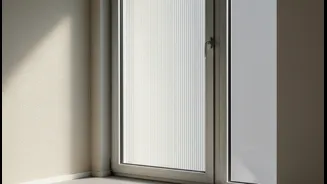
Fluted glass, also known as ribbed or reeded glass, is a type of textured glass with vertical grooves. This is not a new invention; its modern popularity has roots in the Art Deco movement of the 1920s and '30s. The elegant, uniform channels are pressed
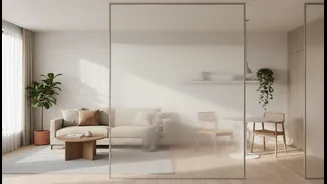
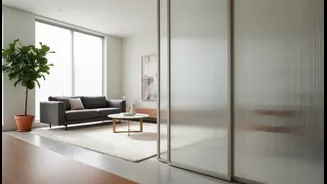
into the glass during its formation. This simple texture is the key to its magic, transforming it from a simple transparent pane into a sophisticated design element that plays with light and perception. It offers a semi-transparent quality that blurs what’s behind it, providing a sense of privacy while still feeling open.
The Magic of Light and Privacy
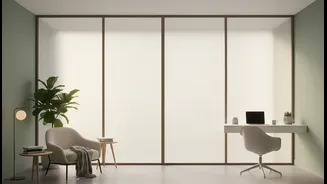
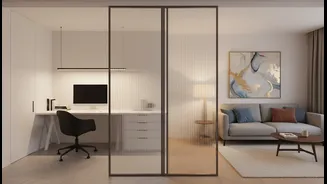
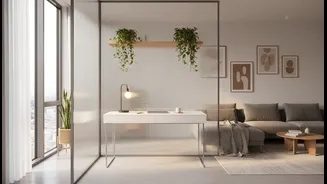
The single biggest benefit of fluted glass in a small home is its ability to strike the perfect balance between letting light in and keeping prying eyes out. Unlike clear glass, its textured surface diffuses light, scattering it softly throughout a room. This eliminates harsh glares and creates a warm, inviting glow. At the same time, the vertical ribs distort the view, obscuring details and silhouettes. This makes it an ideal choice for areas where you need both light and privacy, such as a home office nook carved out of a living room, a bathroom door, or even a pooja room partition where you want a sense of sanctity without complete isolation.
Creating Zones Without Building Walls
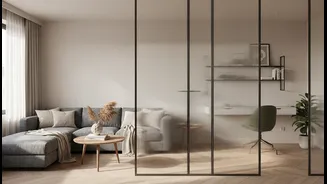
In the open-plan layouts common in modern Indian apartments, creating functional zones can be a challenge. You might need to separate a dining area from the living room, or a workspace from your sleeping area. Solid walls would shrink the space visually and block airflow. This is where fluted glass partitions shine. A sliding or fixed panel of fluted glass can create a clear boundary, signalling a change in function. It separates spaces without completely closing them off, maintaining the flow of light and the feeling of spaciousness. The vertical lines of the fluting can also create a clever optical illusion, making ceilings appear taller and the room feel larger.
An Upgrade in Style and Texture
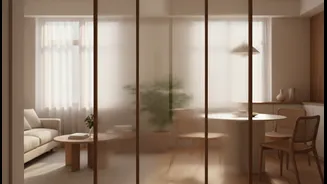
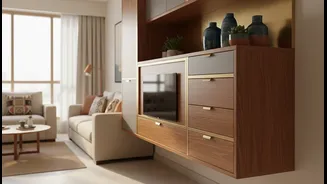
Beyond its practical benefits, fluted glass is a powerful aesthetic tool. In a world of flat, smooth surfaces, it introduces a layer of texture and depth that can instantly elevate an interior. The rhythmic pattern of the ribs adds visual interest and a touch of sophistication that works well with various decor styles, from minimalist and modern to vintage-inspired. When used in kitchen cabinets, it can hide the slight clutter of everyday dishes while still giving a lighter feel than solid doors. Framed in black metal for an industrial look or in wood for a warmer feel, it proves to be a versatile material that adds character and a sense of curated design.
Practical Applications and Considerations
Fluted glass can be used in numerous ways in a compact home: as shower screens that offer privacy and style, partitions between a kitchen and utility area, doors for wardrobes or home offices, or even inlays in furniture. For those on a tighter budget, fluted glass films can offer a similar look at a lower cost. In terms of upkeep, it’s surprisingly low-maintenance. The textured surface is better at hiding fingerprints and water spots than clear glass. A simple wipe-down with a soft cloth and a mild glass cleaner is all it takes to keep it looking pristine, though you might need to pay a little extra attention to the grooves to prevent dust build-up. Toughened versions are also available for areas requiring extra durability.