
Start with a Timeline
Before you even preheat your oven, consider the shelf life of your intended gift. Are you handing it to a neighbour tomorrow, or shipping it across the country? The answer will dictate what you can successfully make. Dry goods like granola, spice rubs,
or layered cookie mixes in a jar can last for weeks or even months. Baked goods such as cookies and brownies are usually best within 3-5 days. More perishable items, like chocolate truffles or anything with a cream or cheese base, need to be refrigerated and gifted quickly. A good rule of thumb is to match the gift's longevity to the delivery timeline. For gifts that need to last, think dry, crunchy, and low-moisture.
Ingredient Intelligence is Key
The ingredients you choose are the foundation of a successful and safe food gift. For items that will be stored at room temperature, using stable ingredients is paramount. For example, homemade infused oils are a popular gift, but using fresh garlic or herbs introduces moisture and creates an oxygen-free environment—ideal conditions for the growth of Clostridium botulinum, which can cause botulism. Food safety experts strongly recommend that any homemade oil infused with fresh ingredients must be refrigerated and used within four days. The safest approach for shelf-stable infused oils is to use thoroughly dried herbs and garlic, which minimizes the risk. Also, consider your recipient's potential allergies. It's always a good idea to steer clear of common allergens like peanuts if you're unsure, or to clearly label gifts that contain nuts, dairy, or gluten.
Proper Storage and Packaging
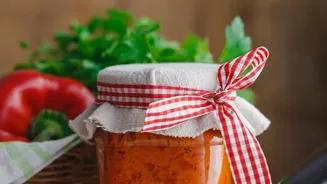
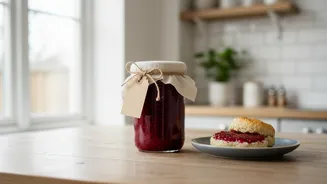
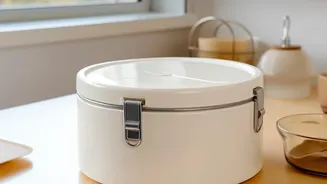
How you store and package your gift is just as important as the recipe. For baked goods like cookies or biscotti, an airtight container is essential to maintain freshness and texture. Tins or sturdy boxes lined with parchment paper work well. For jams, sauces, or pickles, sterilizing jars and ensuring a tight seal is crucial for preservation. If you're making something that needs to be kept cold, like a caramel sauce or lemon curd, make that clear to the recipient and, if possible, transport it in an insulated bag. When selecting containers, think about the journey. Jars with screw-top lids are more secure for shipping than decorative containers that might pop open.
The Finishing Touch: A Thoughtful Label
A label is more than just a decorative touch; it's a critical part of your gift. Don't let your lovingly prepared creation go uneaten because the recipient is unsure of what it is or how to store it. A good label should include a few key pieces of information. Clearly state what the item is. List the main ingredients, paying special attention to common allergens. Provide a “best before” date and storage instructions, such as “Refrigerate after opening” or “Enjoy within one week.” It’s also helpful to include the date it was made. This simple step shows care, ensures your gift is enjoyed as you intended, and prevents any potential food safety mishaps.