







For millions of Indians, bottled water is a daily staple, trusted for its purity. Recent findings by the Food Safety and Standards Authority of India (FSSAI) have put this trust under the scanner, sparking a crucial conversation about what's really inside
the bottle.
What Did FSSAI Find?
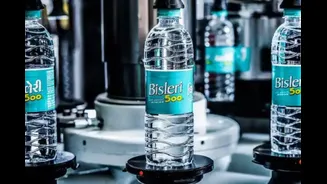
In late November 2026, the FSSAI announced it had sanctioned prosecution against a major packaged water brand, Bisleri International, after a sample was declared unsafe. The initial tests found that a sample of its water exceeded the permissible limit for a chemical called bromate. After the company appealed, a referral laboratory also deemed the sample unsafe, this time detecting the presence of polynuclear aromatic hydrocarbons (PAHs). This action is part of a wider enforcement drive across the packaged water industry, which has seen authorities inspect numerous facilities and issue notices for non-compliance. These findings have brought sharp focus to the chemical by-products that can form during the water purification process.
Understanding Bromate and PAHs
Bromate is not an additive but a disinfection by-product. It can form when water containing naturally occurring bromide is treated with ozone, a common method for killing harmful microorganisms. While ozonation is effective, if not carefully controlled, it can lead to the creation of bromate. The International Agency for Research on Cancer (IARC), a part of the World Health Organization (WHO), classifies bromate as 'possibly carcinogenic to humans'. PAHs are a group of chemicals that occur naturally in the environment but can also be contaminants. Indian standards require that they should not be detectable in packaged drinking water. Their presence in the water sample raised further red flags for regulators.
What Are the Health Risks?
The concern around these chemicals is primarily related to long-term exposure. Chronic ingestion of bromate above safe limits has been linked in animal studies to an increased risk of kidney and thyroid issues. Acute high doses can cause more immediate symptoms like nausea, vomiting, and abdominal pain, though such levels are not expected in regulated drinking water. The health risk is a matter of cumulative exposure over time, which is why regulatory bodies set strict maximum limits. For bromate, India’s permissible limit, in line with WHO guidelines, is 10 micrograms per litre. The presence of contaminants above this level suggests a potential lapse in quality control during the manufacturing process.
A Shifting Regulatory Landscape
The scrutiny on packaged water comes amid significant changes in how the industry is regulated. In October 2024, the FSSAI removed the mandatory requirement for Bureau of Indian Standards (BIS) certification for packaged water. To ensure safety was not compromised, the FSSAI reclassified packaged water as a 'high-risk' food category, mandating annual inspections. Furthermore, a new, compulsory testing scheme came into effect on January 1, 2026. This scheme requires manufacturers to conduct regular, detailed tests for various contaminants, including microbiological and chemical parameters, at FSSAI-accredited labs. This places the onus directly on companies to ensure every batch complies with safety standards.
What Should Consumers Look For?
While chemical contaminants like bromate and PAHs cannot be seen, smelled, or tasted, consumers can still take steps to be more vigilant. Always check for the FSSAI license number on the bottle, along with the manufacturing date, batch number, and an intact seal. Purchasing from reputable retailers who store water away from direct sunlight is also advisable, as heat can affect plastic packaging. While these checks do not guarantee the absence of chemical by-products, they do indicate that the product comes from a licensed manufacturer subject to regulatory oversight. The recent FSSAI actions serve as a reminder that brand familiarity alone isn't a substitute for robust quality control.