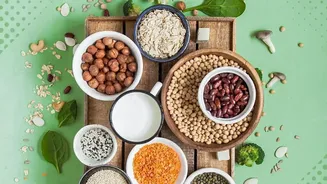







The High-Protein Predicament
Protein is the undisputed champion of muscle repair, essential for rebuilding the muscle fibres you’ve broken down during exercise. Yet, a large intake of protein, especially in a short window, can present a challenge for your digestive system. Protein molecules
are complex and require specific enzymes to be broken down into usable amino acids. High concentrations of protein, particularly from supplements like whey or from heavy animal sources, can slow down this process, leading to a feeling of fullness, gas, and bloating. This issue isn't caused by the protein itself, but often by what's lacking in the meal: fiber. Many high-protein diets inadvertently push out fiber-rich foods like whole grains, fruits, and vegetables, creating a digestive bottleneck.
Understanding 'Digestive Sluggishness'
That post-meal slump you feel isn't just in your head. It has a physiological basis. When you consume a large, dense meal—particularly one high in protein and fat but low in fiber—it can slow 'gastric emptying'. This means food sits in your stomach for longer before moving into the small intestine. While slowing digestion can be good for satiety, an excessive slowdown is what leads to that heavy, lethargic feeling. Furthermore, a lack of fiber can lead to constipation, which exacerbates the discomfort and bloating. The goal of a post-workout meal is to deliver nutrients efficiently for recovery, not to divert all your body's energy toward a lengthy digestive battle.
Fiber: The Digestive Regulator
This is where fiber becomes your digestive system's best friend. Dietary fiber, a type of carbohydrate the body can't digest, plays a crucial role in maintaining gut health and regularity. There are two types, and both are beneficial. Soluble fiber, found in oats, beans, and apples, dissolves in water to form a gel-like substance. This gel helps soften stool and can slow digestion in a controlled way, preventing blood sugar spikes. Insoluble fiber, found in vegetables and whole grains, does not dissolve. Instead, it adds bulk to your stool, which helps it move more quickly and easily through your digestive tract, preventing constipation. Essentially, fiber provides the 'push' that a protein-heavy meal needs to move along smoothly.
The Powerful Protein-Fiber Synergy
Combining protein and fiber doesn't just prevent problems; it creates a synergistic effect that enhances recovery and overall health. Fiber helps regulate the digestive process, ensuring that the amino acids from your protein are absorbed steadily. This pairing also promotes a greater feeling of fullness, or satiety, which can help manage overall calorie intake and prevent post-workout hunger pangs that lead to overeating. Moreover, many fiber-rich foods are also complex carbohydrates, which are vital for replenishing the glycogen stores your muscles used for energy during your workout. A meal containing protein, fiber, and complex carbs is the true trifecta for optimal recovery.
Smart and Simple Ways to Add Fiber
Incorporating fiber into your post-workout routine doesn't have to be complicated. If you're having a protein shake, the fix is simple: add a tablespoon of psyllium husk, ground flaxseed, or chia seeds. These are packed with fiber and blend in easily. If your recovery meal is solid food, the options are even broader. Instead of just a chicken breast, have it with a side of roasted sweet potato and broccoli. Add a cup of black beans or lentils to your meal. Choose whole-grain bread for a post-workout turkey sandwich. Even opting for a piece of fruit like an apple or a banana alongside your protein source can provide a beneficial fiber boost. The key is to think of your meal in pairs: for every major protein source, add a 'fiber friend'.