





The Protein Predicament
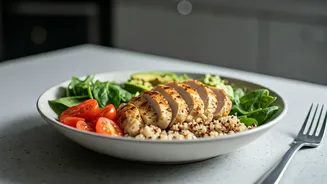
Many of us associate high-protein eating with Western diet culture—think endless plates of grilled chicken breast, broccoli, and little else. This can feel incredibly restrictive and disconnected from the rich, aromatic food that defines an Indian kitchen.
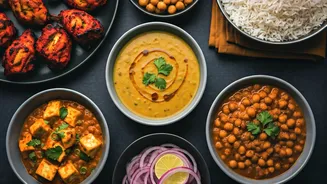
The fear is that to get healthy, you must give up the comforting embrace of a warm dal, a perfectly spiced sabzi, or a satisfying curry. But this is a misconception. Indian cuisine is naturally rich in protein-packed ingredients; the key is knowing how to highlight and enhance them without losing the soul of the dishes you love.
Your Pantry, A Protein Powerhouse
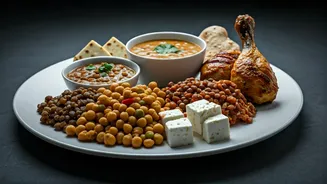
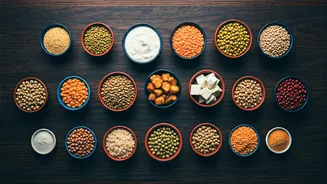
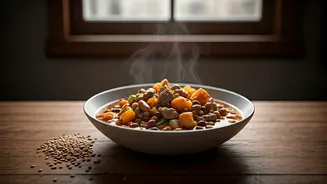
Before you rush to buy expensive supplements, take a look inside your own kitchen. Traditional Indian pantries are treasure troves of protein. Lentils (dal) in all their varieties—moong, masoor, toor, and chana—are foundational. Chickpeas (chana) and kidney beans (rajma) are also excellent sources. For vegetarians, paneer and curd (yoghurt) are protein staples, while eggs are a fantastic option for non-vegetarians. Even our grains can be optimised; millets like jowar and bajra, and grains like quinoa, offer more protein than standard white rice. The journey to a higher protein intake begins by recognising and prioritising these everyday heroes of Indian cooking.
Simple Swaps, Big Gains
Increasing your protein intake doesn't require a complete overhaul of your favourite recipes. Often, small, intelligent swaps can make a significant difference. Consider starting your day with a moong dal chilla stuffed with paneer instead of a carb-heavy breakfast; it's a delicious way to pack in protein first thing in the morning. For lunch and dinner, think about the balance on your plate. Instead of your meal being 70% rice or roti and 30% dal/sabzi, try flipping that ratio. Make your dal thicker and more substantial. Swap out some of the potato in a curry for paneer, tofu, or soya chunks, which absorb masala beautifully. And when making roti, consider adding a scoop of besan (gram flour) or ground seeds to the dough for an extra protein kick.
Powering Up Curries and Sabzis
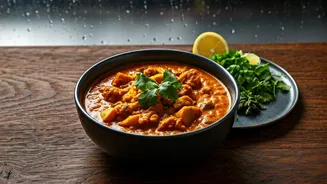
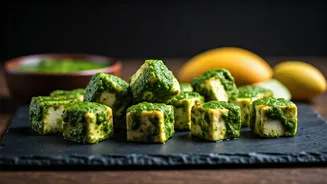
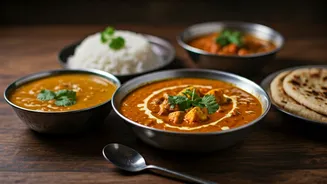
Your favourite curries are prime candidates for a protein boost. For vegetarian dishes like palak paneer, be generous with the paneer. You can also add a handful of chickpeas or soya chunks to mixed vegetable curries to increase their protein content and add satisfying texture. For non-vegetarians, opting for leaner cuts of chicken and using cooking methods like grilling or pan-searing instead of deep-frying can make a huge difference. Egg curry is another excellent, budget-friendly way to get high-quality protein. The trick is to let the protein be the star of the dish, not just an afterthought. Using Greek yogurt or hung curd as a base for marinades and gravies instead of heavy creams can also add protein while reducing fat.
Snacking, Smart and Desi
Mid-day hunger pangs can often derail the best dietary intentions. Instead of reaching for fried snacks, turn to traditional Indian options that are naturally high in protein. A bowl of roasted chana is a classic for a reason—it's crunchy, satisfying, and full of protein. A simple sprouts chaat, tossed with chopped onion, tomato, and a squeeze of lemon, is a no-cook snack that is both refreshing and protein-rich. A glass of sattu drink or a bowl of thick curd topped with nuts and seeds can also be a quick, energising option that keeps you full until your next meal. These snacks are not diet food; they are an integral part of Indian food culture that happens to align perfectly with modern fitness goals.