
The Problem with Puddles
An innocent-looking puddle on the street is often a cocktail of unseen hazards. Stagnant water is a breeding ground for dangerous bacteria and parasites. One of the most significant threats, especially during India's monsoon season, is Leptospirosis.
This serious bacterial infection is spread through the urine of infected animals, commonly rodents, which gets washed into puddles. A dog can get infected simply by drinking from or walking through contaminated water, and the bacteria can cause severe kidney and liver damage. Another microscopic menace is Giardia, a parasite that causes gastrointestinal issues like vomiting and diarrhoea after a pet ingests contaminated water. Beyond biological threats, street runoff often contains chemical contaminants like motor oil, pesticides, and toxic antifreeze which can be fatal if consumed.
The Trouble with Damp Fur
The danger doesn't stop once you're home and have avoided the puddles. Persistently damp fur and skin create the perfect warm, humid environment for fungal and bacterial infections to flourish. Yeast infections, for instance, thrive in moist areas like paw pads, skin folds, and ears, leading to intense itching, redness, and a musty odour. Similarly, bacterial skin infections, known as pyoderma, can develop when the skin's natural defences are weakened by prolonged wetness. This can result in painful red patches, or 'hotspots', that can become quickly infected. Pets with thick coats are particularly at risk, as their fur can take a long time to dry, trapping moisture against their skin. A simple post-walk towel dry often isn't enough to prevent these uncomfortable and sometimes persistent conditions.
Hidden Physical Dangers
Rainy weather brings more than just water; it changes the physical environment of your walk. Reduced visibility during a downpour makes it harder for drivers to see you and your pet, increasing the risk of accidents. Loud claps of thunder can spook even a calm dog, causing them to bolt in fear. Slippery pavements and muddy trails can lead to slips and falls for both you and your pet, potentially causing sprains or other injuries. Furthermore, standing water can obscure hazards like broken glass, sharp objects, or potholes, turning a familiar path into a risky venture. Keeping your pet on a leash and being extra vigilant about your surroundings is crucial during these walks.
Tips for Safe and Happy Rainy Walks
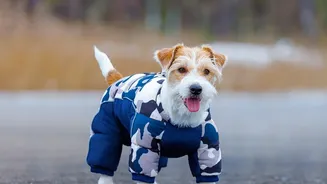
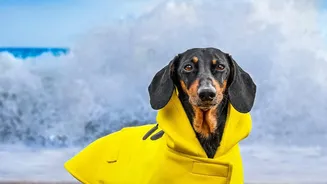
Being aware of the risks doesn't mean you must lock the doors until the sun comes out. It's about taking smart precautions. Firstly, avoid letting your pet drink from any puddles or stagnant water sources; carry fresh water with you if needed. Keep walks shorter during heavy rain and consider investing in a well-fitting raincoat and paw protectors to minimize contact with water and contaminants. After every rainy walk, it is essential to thoroughly dry your pet with a towel, paying special attention to their paws, belly, and any skin folds. Regularly check their skin for any signs of irritation, redness, or infection. Finally, speak to your veterinarian about preventative care, including vaccinations for diseases like leptospirosis, which is particularly relevant in areas with heavy rainfall.