


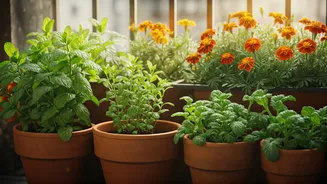


Why Green is Good for You
Before we get our hands dirty, let's understand why gardening is so deeply rewarding. Scientists call it the 'biophilia hypothesis'—our innate tendency to connect with nature. Tending to a plant, watching it grow, and even just being around greenery has
been shown to reduce stress, lower blood pressure, and improve mood. It’s a form of active mindfulness. The simple act of watering a plant or pruning a leaf pulls you into the present moment, offering a welcome escape from digital notifications and daily worries. For many, it provides a gentle sense of purpose and accomplishment, proving that nurturing life, no matter how small, is a powerful antidote to modern anxieties.
1. The Balcony Oasis
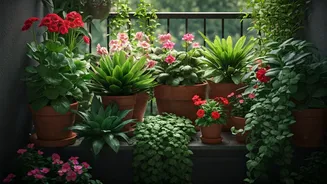
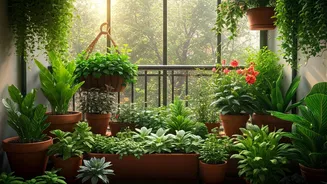
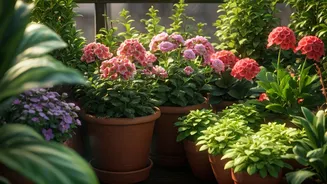
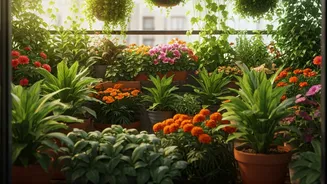
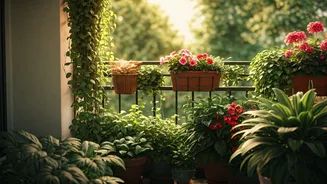
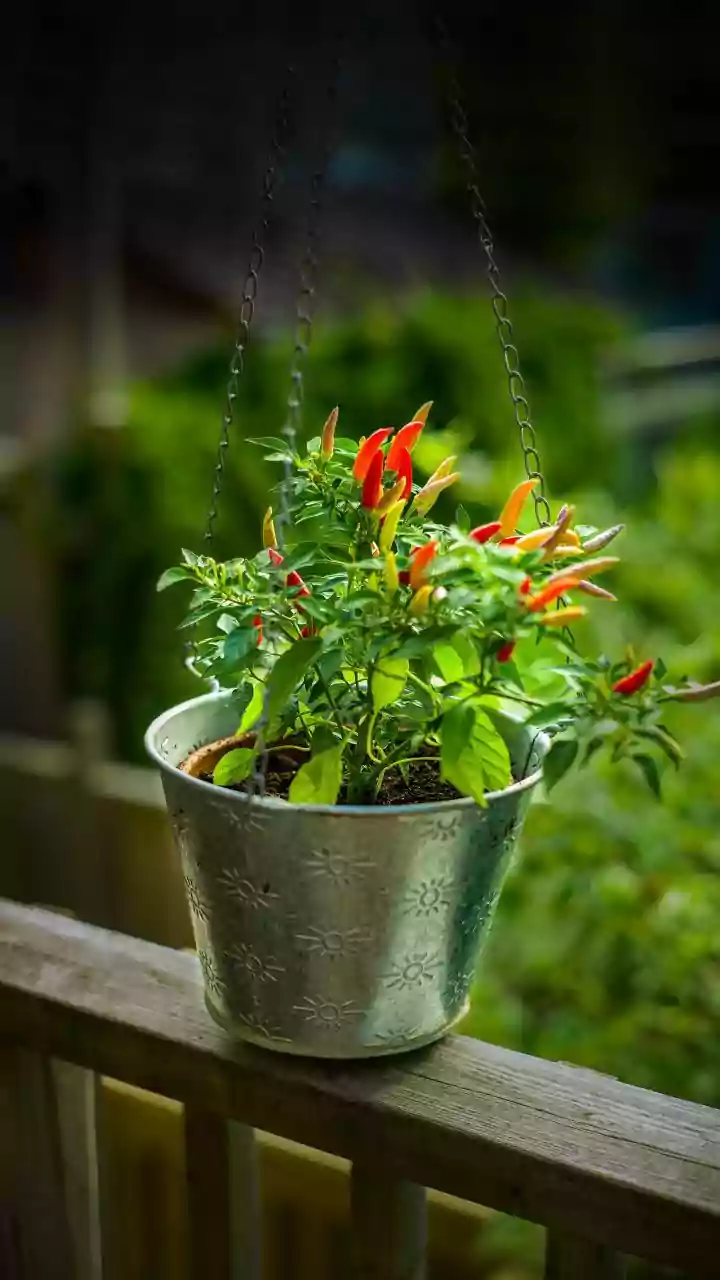
The humble balcony is the unsung hero of urban gardening in India. With a little planning, it can become your personal sanctuary. Start by assessing the sunlight. Does your balcony get harsh afternoon sun or gentle morning light? For sunny spots, bougainvillea, hibiscus, and marigolds (genda) are fantastic, hardy choices that add a burst of colour. If you have a bit of space, a container-grown tomato or chilli plant can be incredibly rewarding. For shadier balconies, consider money plants, ferns, or snake plants, which are excellent air purifiers. Use a mix of hanging pots to draw the eye upward and larger floor pots for statement plants. A small stool or a foldable chair can complete your green escape.
2. The Windowsill Herb Garden
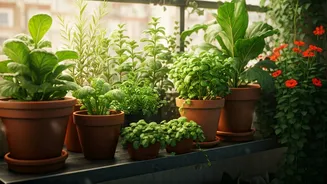
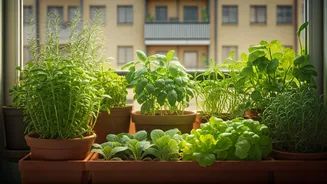
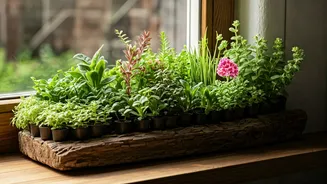
Imagine snipping fresh tulsi for your morning chai or coriander for your dal, straight from your kitchen window. A windowsill garden is the easiest way to start. All you need is a spot that gets at least 4-6 hours of sunlight. Herbs are a perfect choice. Mint (pudina), holy basil (tulsi), coriander (dhania), and curry leaves (kadi patta) all thrive in small pots in the Indian climate. Not only do they provide fresh flavours for your cooking, but their fragrance also adds a lovely aroma to your home. You can use individual small pots or a long rectangular planter to house several herbs together. Just ensure your pots have drainage holes to prevent waterlogging.
3. The Vertical Veggie Patch
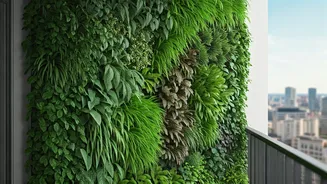
No floor space? No problem. Go vertical! Vertical gardening is a smart solution for compact homes, allowing you to grow a surprising amount of food or flowers using wall space. You can buy ready-made vertical planters or create your own using stacked pots, fabric pockets, or even repurposed plastic bottles. This method is ideal for growing leafy greens like spinach (palak), fenugreek (methi), and lettuce. Climbing plants, such as money plants or certain varieties of beans, also work wonderfully on a small trellis against a wall. It’s a productive and visually stunning way to bring a living wall into your home.
4. Getting Started: The Essentials
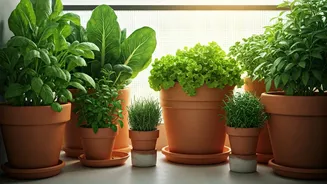
Don't be intimidated by complicated tools or jargon. To begin your tiny garden journey, you only need a few basics. First, choose your containers—terracotta pots are great as they are porous and allow roots to breathe. Second, get the right soil. A good potting mix (available at any local nursery) containing cocopeat, compost, and soil is crucial for healthy plants. Third, a small hand trowel and a simple watering can are all the tools you need. Start with one or two easy-to-care-for plants. The key is to learn as you go and not get overwhelmed. Your local nurseryman (mali) is often a fantastic source of advice on what grows best in your specific area.