





Beyond the Umbrella: The Magic of Quick-Dry Fabrics
The secret to a comfortable monsoon wardrobe lies in fabrics that are hydrophobic, meaning they repel or don't absorb water. Unlike cotton, which soaks up moisture and takes hours to dry, quick-dry materials are typically synthetic fibres like polyester
and nylon. These fabrics work through a process called "wicking," where moisture is pulled from your skin to the fabric's surface and spread out, allowing it to evaporate much faster. This technology is not just for athletic wear; it's the key to staying comfortable and preventing that damp, clingy feeling during humid and rainy days. Because these fabrics dry quickly, they also reduce the chances of bacterial growth, which causes odours in damp clothes.
Your Monsoon Fabric Guide: What to Look For
When shopping for monsoon-friendly clothing, keep an eye out for these materials on the label: * **Polyester and Polyester Blends:** As a synthetic fabric, polyester is naturally water-repellent and dries extremely fast, making it a top choice for rainy days. Cotton-polyester blends are also a great option, offering the breathability of cotton with the quick-drying properties of polyester. * **Nylon:** Lightweight and highly water-resistant, nylon is excellent for outerwear like raincoats and jackets but also works well in clothing meant to withstand a splash. * **Rayon and Viscose:** These semi-synthetic fabrics are lightweight, breathable, and drape beautifully without clinging to the skin, which is ideal for humid weather. They dry faster than pure cotton, making them a comfortable choice for everything from kurtis to dresses. * **Crepe and Georgette:** Often used in Indian ethnic wear, these fabrics are lightweight and water-resistant. Their flowy nature prevents them from sticking to your body, ensuring you stay comfortable. * **Linen Blends:** While pure linen can absorb moisture, a blend with synthetic fibres combines its signature breathability with better quick-drying performance.
Building Your Monsoon Wardrobe: Key Pieces
Applying this fabric knowledge, you can build a versatile and practical monsoon wardrobe. Focus on silhouettes that are functional and stylish. Cropped or ankle-length bottoms are a must to avoid dragging them through puddles. Think cigarette pants, culottes, or ankle-length trousers instead of floor-sweeping palazzos or long skirts. For Indian wear, opt for shorter kurtis that can be paired with leggings or churidars, and swap heavy dupattas for lighter scarves. A-line dresses, shirt dresses, and kaftan-style tunics in quick-dry fabrics are excellent choices as they don't cling to the body. For men, quick-dry technical pants, polo shirts made of polyester blends, and lightweight zip-up jackets are perfect for navigating the season.
Styling for the Season
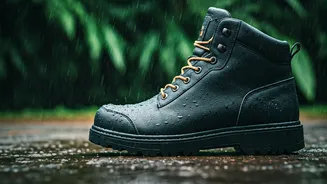
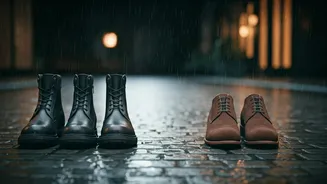
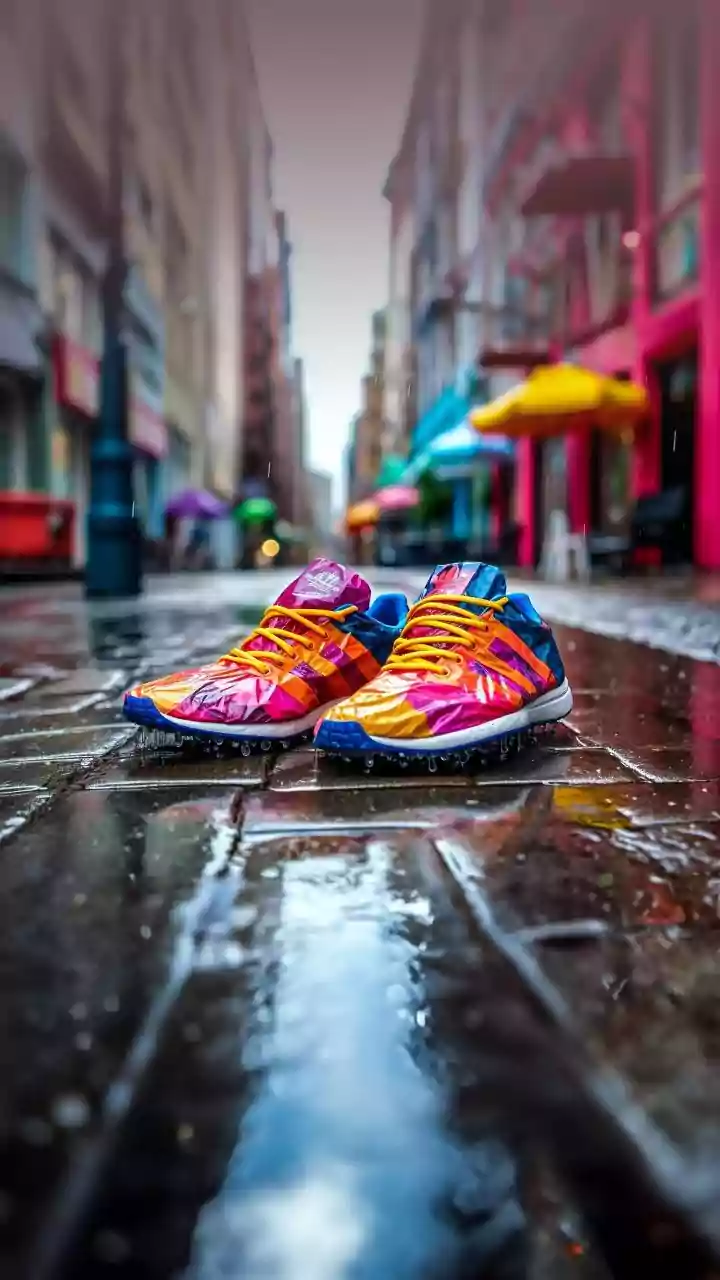
Monsoon doesn't have to mean drab. Since the skies are often grey, use your wardrobe to add a splash of colour. Bright and vibrant hues like yellow, pink, orange, and blue can lift your mood. If you prefer neutrals, choose darker shades like navy or olive green, as they are more forgiving with mud splashes and water stains. Layering is key, but do it smartly. A lightweight, water-resistant shrug or a foldable jacket can protect your outfit from sudden showers without adding bulk. When it comes to footwear, ditch the leather and suede. Instead, opt for rubber flip-flops, PVC flats, or waterproof sandals that offer a good grip.
Caring for Your Quick-Dry Gear
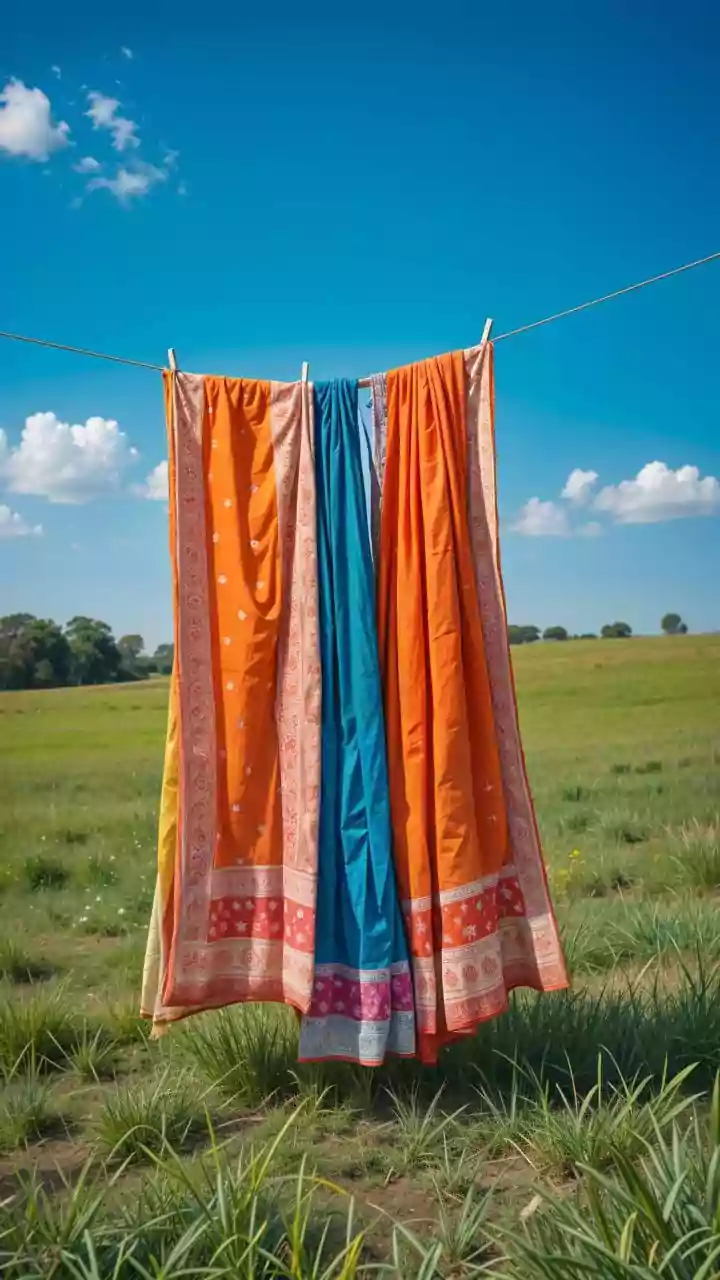
To ensure your quick-dry clothes last and maintain their properties, proper care is essential. Always check the care label first. It's generally advisable to wash these garments in cold water and avoid using fabric softeners, as they can create a coating that hinders the fabric's wicking ability. Although named "quick-dry," most of these fabrics are not suited for a high-heat tumble dryer, which can damage or shrink the synthetic fibres. The best method is to simply hang them to air dry; their inherent properties mean they'll be ready to wear in no time.