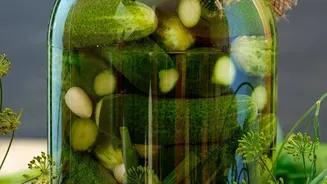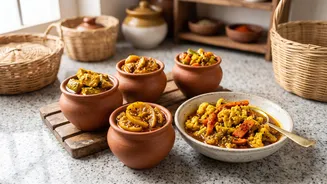


For generations, the 'ghar ka achaar' has been a staple of Indian meals, a taste of home preserved in a glass jar. Now, a new wave of artisanal makers is reviving this tradition, bringing regional heritage and healthy cooking to the forefront.
More Than Just a Side Dish
The humble
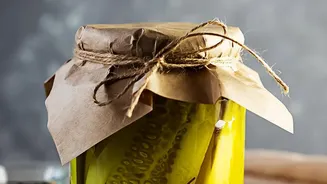
Indian pickle, or achaar, is undergoing a quiet revolution. Once a method to preserve seasonal produce, it is now being celebrated as a carrier of culinary history and regional identity. Small-batch producers and home entrepreneurs are turning treasured family recipes, once confined to their kitchens, into celebrated products. This trend moves beyond the mass-produced jars on supermarket shelves, focusing instead on authentic flavours, traditional techniques, and the stories behind each recipe. Driven by a growing consumer desire for foods that are hygienic, preservative-free, and taste homemade, the artisanal pickle market is thriving. Brands are emerging from all corners of the country, from home kitchens in Hyderabad selling Avakaya pickles via social media to family-run businesses in Delhi celebrating their Coorgi and Burmese roots through unique pork and onion pickles.
The Soul of the Pickle: Heritage Spices
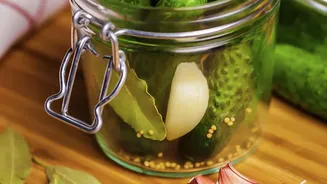
What truly distinguishes these regional pickles are the complex and often secret spice blends, or masalas, that have been passed down through generations. These are not generic 'pickle masalas' but specific combinations that define a region's palate. A Gujarati Chundo, for example, is a sweet and sour mango relish, while the Avakaya from Andhra Pradesh is known for its fiery heat, derived from a potent mix of mustard seeds and red chillies. Key spices like fenugreek (methi), mustard (rai), fennel (saunf), nigella seeds (kalonji), and asafoetida (hing) form the backbone of many recipes. The technique is just as important as the ingredients. Many artisanal makers use sun-drying and slow, natural fermentation in oil and salt, a contrast to the quick vinegar-curing common in Western pickling. This patient process allows the flavours to meld and mature, creating a depth and complexity that cannot be rushed.
A Healthy, Probiotic-Rich Twist
While commercial pickles are often criticized for high salt and oil content, traditional Indian pickling offers surprising health benefits. The age-old process of lacto-fermentation creates an environment where beneficial probiotic bacteria like Lactobacillus can flourish. These probiotics are essential for good gut health, aiding digestion and boosting the immune system. Artisanal makers are leaning into these health aspects, using high-quality cold-pressed oils, premium salts, and forgoing artificial preservatives. The ingredients themselves are nutritional powerhouses. Amla (gooseberry) pickles are rich in Vitamin C, mango pickles provide Vitamin A, and the spices used—like turmeric, cumin, and fenugreek—are packed with antioxidants and have anti-inflammatory properties. When consumed in moderation, these traditional pickles can be a flavourful and functional addition to a healthy diet.
From Local Kitchens to a Global Stage
The rise of e commerce and social media has empowered a new generation of food entrepreneurs. What often starts as a small venture selling to friends and neighbours through WhatsApp can quickly scale into a brand with nationwide shipping. This digital marketplace allows consumers to explore a map of India through its pickles, ordering fiery Bhoot Jolokia pickle from the Northeast, tangy Gongura from Andhra Pradesh, or Ker Sangri from Rajasthan. The movement is also part of a larger trend towards premium, high value Indian food products. The global Indian diaspora has created a significant export market, with a growing demand for authentic regional flavours abroad. These pickles are no longer just a condiment; they are becoming gourmet items, featured on cheese boards and used by chefs to add a unique Indian twist to global cuisine.