


An Invisible Threat on Your Plate
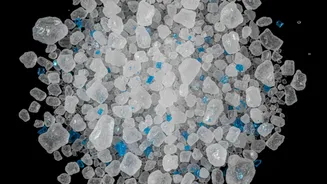
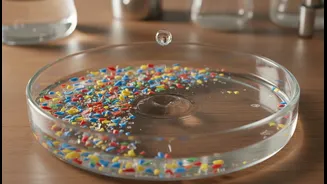
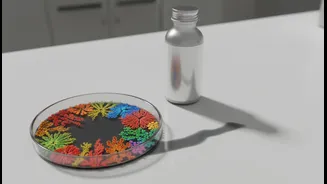
Microplastics are tiny plastic fragments, less than five millimetres in size, that result from the breakdown of larger plastic items. They are in our oceans, our air, our drinking water, and now, scientists are confirming they are in our bodies. While
the full, long-term impact on human health is still being investigated, early research is concerning. Studies in animals and human cell lines have linked microplastic exposure to inflammation, cellular damage, and hormonal disruption. Researchers have found that these particles can irritate the gut lining and potentially alter the balance of our crucial gut microbiome. One 2024 study even found that patients with detectable microplastics in the plaque in their arteries had a significantly higher risk of heart attack, stroke, or death.
The Chopping Board's Hidden Cost
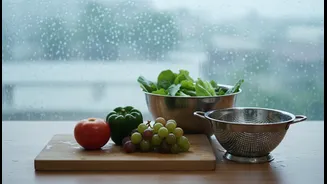
That plastic chopping board you use daily is a major contributor to microplastic exposure. A 2023 study published in a leading environmental journal found that chopping vegetables on plastic boards can release tens of millions of particles directly into your food annually. Researchers estimated that, depending on the type of plastic and your chopping habits, you could be ingesting between 7 and 50 grams of plastic from your board each year. Polypropylene (PP) boards, often seen as sturdy, may release even more particles than softer polyethylene (PE) ones. The action of the knife creates friction and scores the surface, creating tiny fragments that mix with your ingredients. An older, heavily scarred board will release even more particles than a new one.
Rethinking Non-Stick Pans and Containers
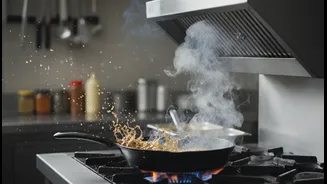
Scratched non-stick pans are another area of concern. Research has shown that a single scratch on a Teflon-coated pan can release thousands, or even millions, of plastic particles during cooking. Over time, the wear and tear from utensils breaks down the coating, which can then end up in your meal. Similarly, plastic food containers, especially when heated, can be a problem. Heating food in plastic containers in the microwave can accelerate the shedding of both microplastics and even smaller nanoplastics, which may more easily pass through the intestinal wall and into the bloodstream. Even single-use takeout containers can release particles when they come into contact with hot or acidic foods.
Simple Swaps for a Safer Kitchen
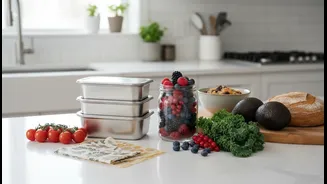
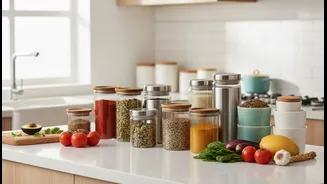
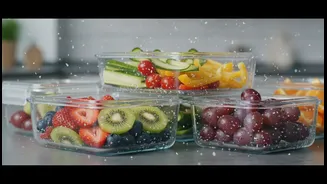
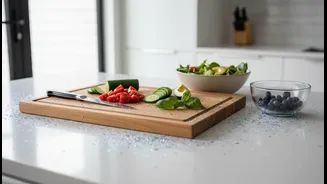
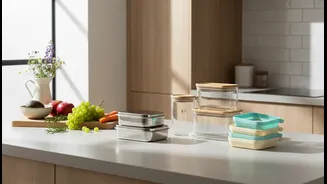
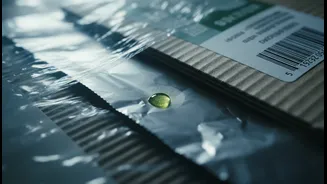
While it's nearly impossible to avoid microplastics entirely, you can significantly reduce your exposure with a few intentional changes in the kitchen. Start by swapping your plastic cutting board for one made of wood or bamboo; studies show that while wood also sheds particles, they are natural fibres. When it comes to cooking, opt for materials that do not have plastic coatings, such as stainless steel, cast iron, or ceramic cookware. For food storage, replace plastic containers and cling wrap with glass, stainless steel, or ceramic alternatives. Never microwave food in plastic; always transfer it to a ceramic or glass dish first. Finally, consider your utensils. Using wooden or metal spatulas and spoons can help prevent scratching your cookware and reduce another potential source of contamination.